
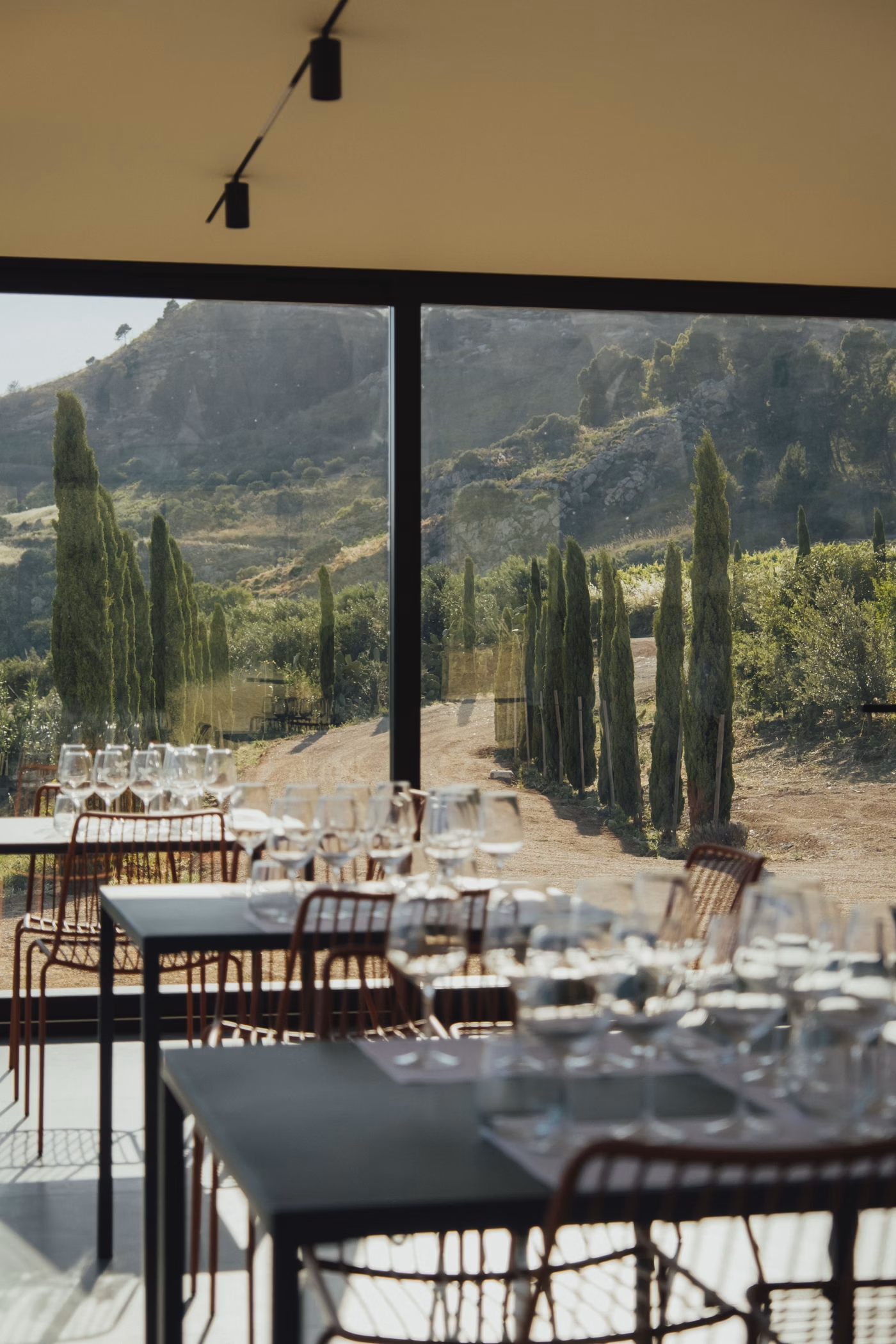
Wine tasting in Sicily: a guide to 2026 experiences
Wine tasting in Sicily is your gateway to one of Italy’s richest and most diverse wine regions. The 2026 Sicily Wine Guide by AIS Sicilia has evaluated over 1,100 labels, identifying 77 wines scoring above 90/100 as absolute standouts. This tells us something specific: Sicily isn't just a wine region; it’s a continent. Choosing where and how to taste makes the difference between a pleasant stop and an unforgettable experience.
1. What are the most iconic wine regions to visit in Sicily?
Sicily should be considered a wine continent due to its extraordinary diversity of climates, soils, and grape varieties. Each area produces wines with a distinct character, and understanding these differences helps you choose the tastings that best suit your palate.
These are the key macro-areas to know:
- Western Sicily (Trapani, Alcamo, Marsala). The Trapani territory produces savory, fresh whites heavily influenced by the sea. Grillo and Catarratto dominate this area, offering floral and citrus aromatic profiles. Alcamo DOC is one of the area's historic denominations, boasting a centuries-old tradition.
- Etna. The active volcano produces mineral-rich, elegant wines that are among the most sought-after in Italy. Nerello Mascalese for reds and Carricante for whites are the signature varieties. The geological diversity of Etna gives these wines a complexity rarely found elsewhere.
- Central-Southern Sicily (Ragusa, Syracuse, Agrigento). This is the land of Nero d’Avola, Sicily’s most famous red grape. Wines from this area are full-bodied, warm, and rich with ripe fruit notes. The Val di Noto is the heart of production for this region.
- Smaller islands (Pantelleria, Lipari, Salina). The head-trained (alberello) vineyards of Pantelleria are a UNESCO World Heritage site and produce Passito di Pantelleria, one of the world’s most renowned sweet passito wines. The Aeolian Islands produce Malvasia delle Lipari, a rare and precious wine.
A tip: if you’re short on time, pick one area and explore it in depth. It’s better to do three tastings in one region than to visit six wineries scattered across the island with no common thread.
2. Which Sicilian wines should you not miss during tastings?
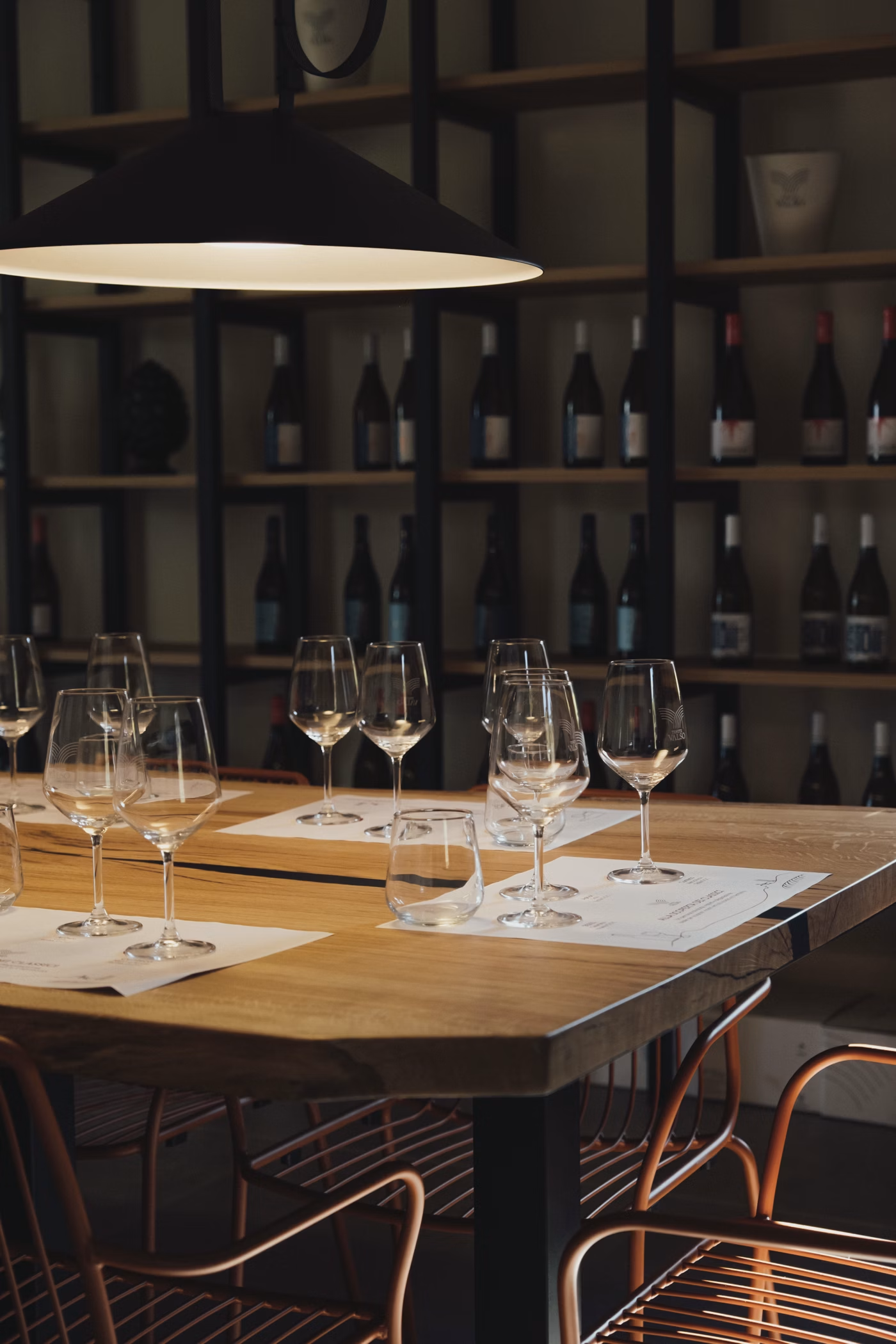
According to AIS Sicilia, Nero d’Avola is the island’s signature red grape, while Grillo and Carricante are among the most representative whites. These three varieties account for the majority of high-quality tasting experiences in Sicily.
Wines to look for during your visits:
- Nero d’Avola. A full-bodied red with notes of black cherry, spice, and chocolate. It pairs perfectly with red meats, aged cheeses, and traditional Sicilian dishes like eggplant caponata.
- Nerello Mascalese. The great red of Mount Etna. Elegant, with fine tannins and a unique volcanic minerality. Ideal with seafood, mushrooms, and recipes featuring Nebrodi black pork.
- Grillo. An aromatic and structured white, native to western Sicily. It pairs well with shellfish, swordfish "alla ghiotta," and seafood appetizers. Tenutevalso produces Grillo Aphor, an IGT Terre Siciliane label with a fresh, savory character.
- Catarratto. One of the most widely grown white grape varieties in Sicily. It produces fresh wines with lively acidity and citrus notes. Tenutevalso vinifies it in the 91011 label, a dry white that tells the story of the Alcamo territory.
- Zibibbo (Moscato d’Alessandria). The grape behind Passito di Pantelleria. A sweet, amber-colored wine with intense aromas of dried apricot, honey, and figs. It is served with traditional Sicilian desserts like cassata or cannoli.
- Malvasia delle Lipari. Produced in the Aeolian Islands, this is a rare passito with floral and exotic fruit notes. Hard to find outside of Sicily: it is worth a dedicated visit.
The 2026 Guide to Sicilian Wines awarded 77 labels over 90/100 points. This means that the average quality is high, but the true standouts are concentrated in a few denominations: Etna DOC, Nero d’Avola Riserva, and the best Grillo from western Sicily.
3. How to choose and enjoy an authentic tasting experience
Guided tastings with commentary from the producer are the preferred type of experience for visitors in 2026. It’s not just about tasting wines: it’s about understanding why that wine tastes the way it does.
Follow these steps to make the right choice:
- Choose a winery that offers guided tastings. A tasting without a guide is like visiting a museum without captions. Having the winemaker or enologist explain the wine turns a simple sip into a deeper understanding.
- Ask about the vintage and the winemaking process. The most transparent wineries share this information freely. Those who can't answer these questions usually have little to tell.
- Pair your tasting with an additional activity. Vineyard trekking, cooking
- classes featuring local products, or a dinner in the vines turn a visit into a complete experience. Tenutevalso offers a dinner in the vineyard that combines wine, Sicilian cuisine, and the landscape.
- Visit in small groups. Tastings with fewer participants allow for direct interaction with the producer. Large groups often reduce the experience to a quick, superficial sip.
- Book in advance, especially in summer. Quality wineries sell out during peak season weeks. Booking at least two weeks ahead ensures you get your preferred tour.
In 2026, visitors prefer to drink less but with higher quality, favoring wineries that offer narrative-driven tours, transparency, and artisanal products. This shift rewards wineries that invest in the relationship with the visitor, rather than just the number of bottles opened.
A tip: carry a notebook or use your phone's notes app to jot down the wines that impress you. After three or four tastings, the details start to blur. A quick note helps you find that extraordinary Grillo you drank in Alcamo again.
4. Which wine events and tours offer exclusive experiences in 2026?
Cantine Aperte is the benchmark event for Sicilian wine tourism, organized by the Movimento Turismo del Vino. In 2026, it takes place on May 30th and 31st, marking its thirty-fourth edition. Wineries open their doors for two days with walks through the vineyards, cooking classes, wellness activities, and meetings with producers, expanding the experience far beyond a simple tasting.
Participating in Cantine Aperte offers privileged access to areas usually closed to the public, such as historic barrel rooms and underground cellars, with the chance to learn about vintage wines and meet the winemakers in person. It is an opportunity that cannot be replicated at any other time of the year.
The most exclusive activities during Cantine Aperte include access to historic barrel rooms, tastings of rare vintages, and direct meetings with winemakers and owners. These moments transform a visit into an experience that is difficult to replicate during the rest of the year.
Standard tastings last an average of 60 minutes, but during special events like Cantine Aperte, they are extended with side activities that take up the entire day. Those who attend these events gain access and a depth of experience that ordinary visits do not offer.
5. How to compare tasting experiences and choose the right one
Choosing the right type of tasting depends on your level of interest and the time you have available. Not all experiences are the same, and knowing the differences will help you avoid disappointment.
Families with children find vineyard tours more suitable, as they combine outdoor activity with stories about the region. Expert enthusiasts get the most out of special events, where access to rare vintages and direct interaction with producers offer something not found through ordinary channels.
Key takeaways
The most satisfying wine tastings in Sicily combine certified quality wines, authentic storytelling from the producer, and a landscape that is unparalleled in Italy.
Each area produces distinct wines: Etna for minerality, the Trapani area for fresh whites, and Val di Noto for Nero d’Avola.Focus on certified qualityThe 2026 AIS Sicily Guide awarded 77 wines a score of over 90/100: use this selection as a reference.Prefer guided tastingsThe winemaker's narrative transforms a simple sip into an understanding of the land and production methods.Attend Cantine AperteThe event on May 30–31, 2026, offers access to spaces and vintages not normally available to the public.Book in advanceQuality wineries sell out during high season: book at least two weeks in advance.
Sicilian wine up close: my perspective
I have visited dozens of wineries in Sicily over the years, and what has surprised me most is not the quality of the wines. It is the generosity with which the producers share their work. In few other Italian regions will you find a winemaker willing to stop for an hour to explain why that vineyard in Contrada X produces a Nerello completely different from one in Contrada Y, just five hundred meters away.
Modern wine tasting—the kind that really matters—isn't just a sample. It’s a conversation. And Sicily, with its authenticity and direct engagement with the producer, is perhaps the best place in Italy to have that conversation.
What changed the way I look at Sicilian wine was realizing that every area has its own logic. Etna doesn't produce "Sicilian" wines in the conventional sense: it produces volcanic wines with a tension and freshness that feel almost Burgundian. The Trapani area, on the other hand, gives you whites that taste of salt and wind. They are two different worlds on the same island.
My most honest advice: don't try to see everything in one trip. Choose one area, explore it in depth, and come back the following year for another. The world of Sicilian wine rewards those who are patient.
— Federico
Tenutevalso: authentic tastings in the heart of Western Sicily
Tenute Valso is the Vallone family winery in Alcamo, in the Trapani area, one of the most representative regions for quality Sicilian white wines.
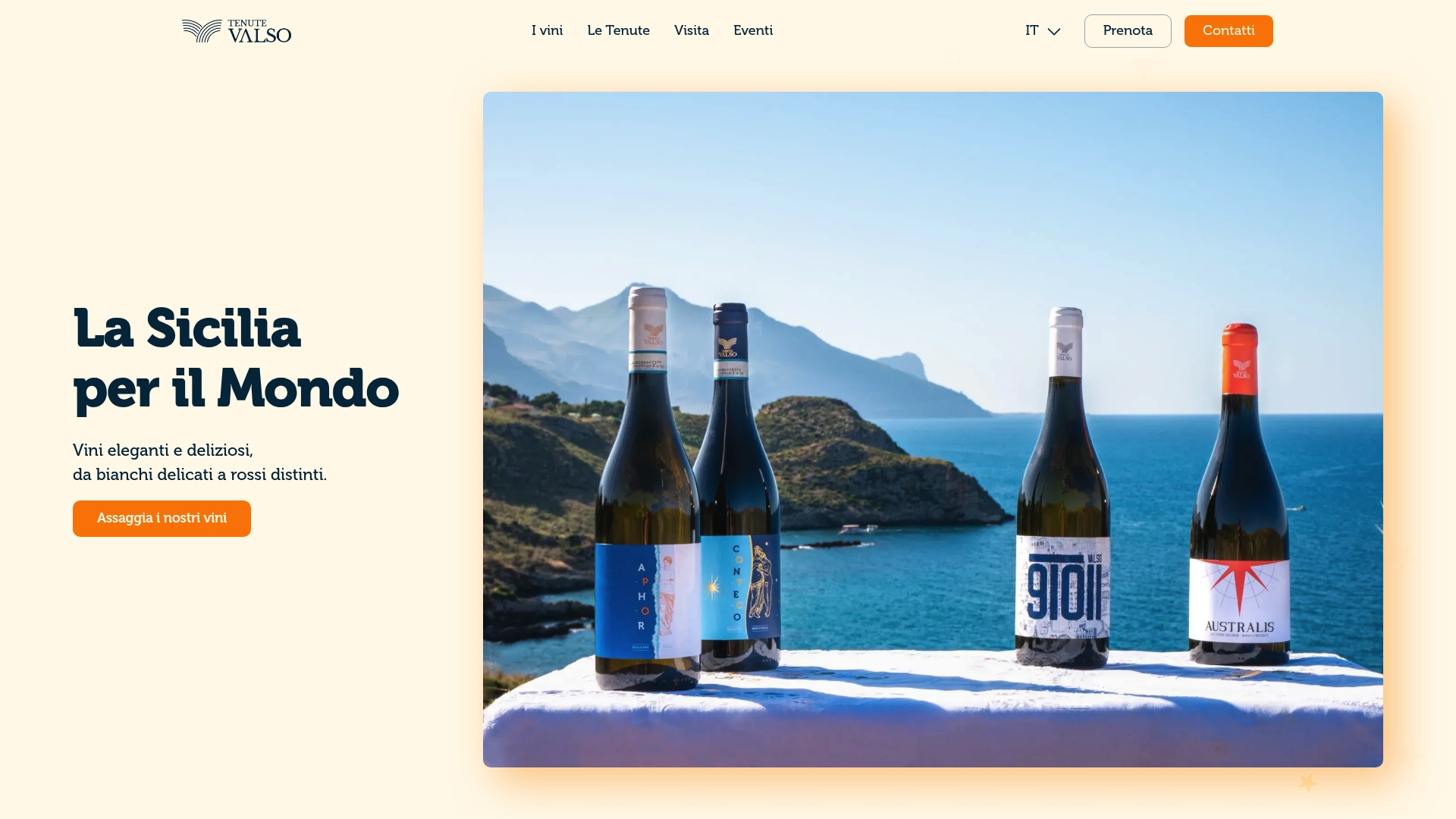
The winery offers tasting experiences designed for those who want to understand wine, not just drink it. The tour with the winemaker takes visitors through the vineyards and barrel room, with a final tasting of DOC and IGT Terre Siciliane labels. For those who want to delve into local tradition, the experience dedicated to Alcamo DOC wines offers a guided selection of the territory's most representative wines. Tenutevalso is open for visits, tastings, and events throughout the year: book directly on the website to secure your spot.
Frequently Asked Questions
How long does a wine tasting in Sicily last?
A standard tasting lasts an average of 60 minutes. During special events like Cantine Aperte, the experience extends to the entire day with additional activities.
What are the best Sicilian wines to try?
Nero d’Avola, Nerello Mascalese, Grillo, and Catarratto are the most representative grape varieties. The 2026 AIS Sicily Guide has selected 77 labels scoring above 90/100 points as benchmarks of excellence.
When does Cantine Aperte take place in Sicily in 2026?
Cantine Aperte 2026 will take place on May 30th and 31st, marking its thirty-fourth edition with extraordinary openings of wineries belonging to the Movimento Turismo del Vino.
What does a wine tour in Sicily include?
A comprehensive tour includes a visit to the vineyards, an explanation of winemaking techniques, a guided tasting, and, in more structured experiences, food pairings with local specialties.
Is it necessary to book tastings in advance?
Yes. Quality wineries sell out during peak season weeks. Booking at least two weeks in advance ensures you get your preferred tour and the availability of the winemaker.
Recommended
- Discovering the Classics - Tasting - Tenute Valso
- Tour with the Winemaker - Tasting - Tenute Valso
- Wines of Western Sicily - Tasting - Tenute Valso
- Alcamo DOC - Tasting - Tenute Valso