Sicily wine tour: complete guide for 2026
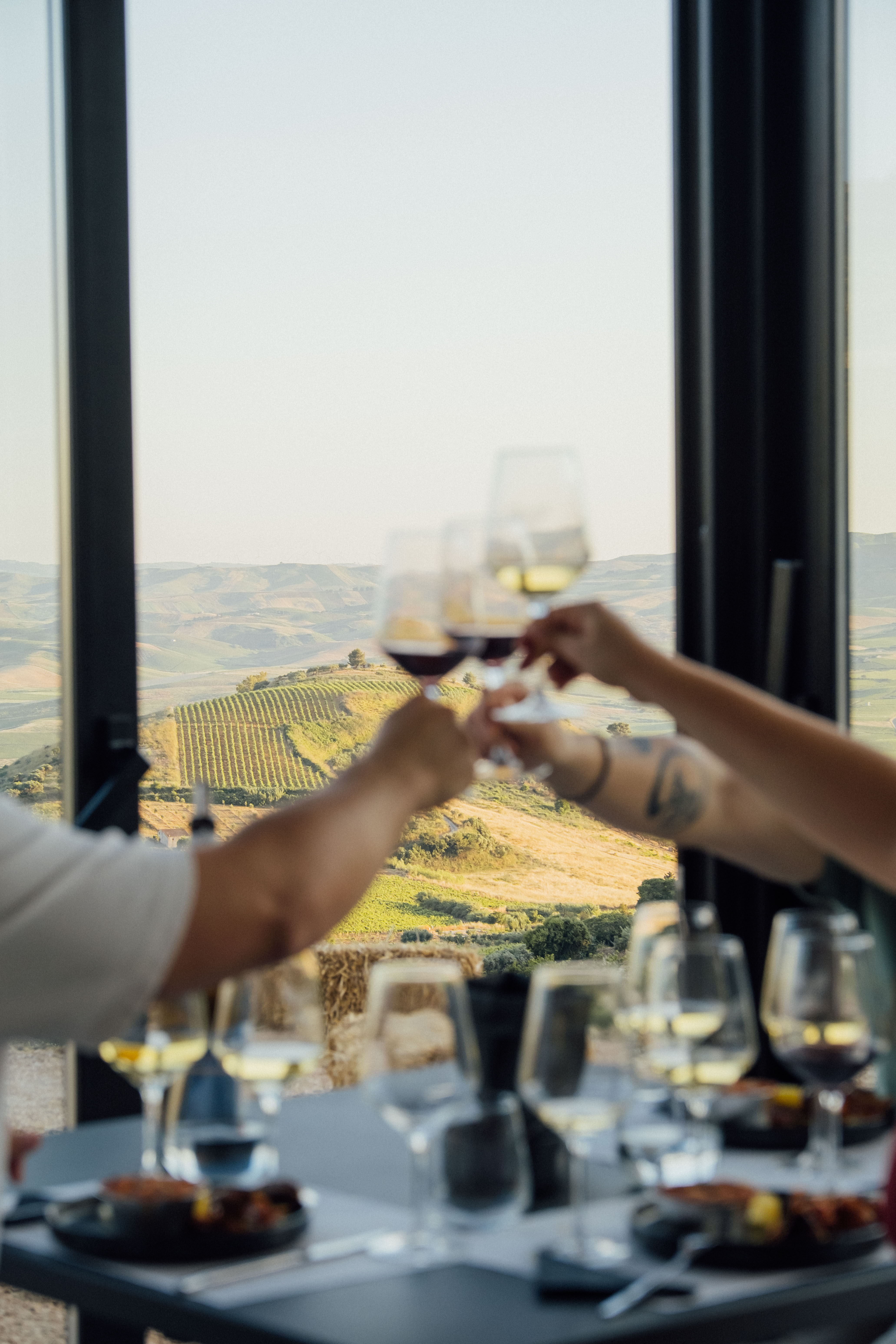
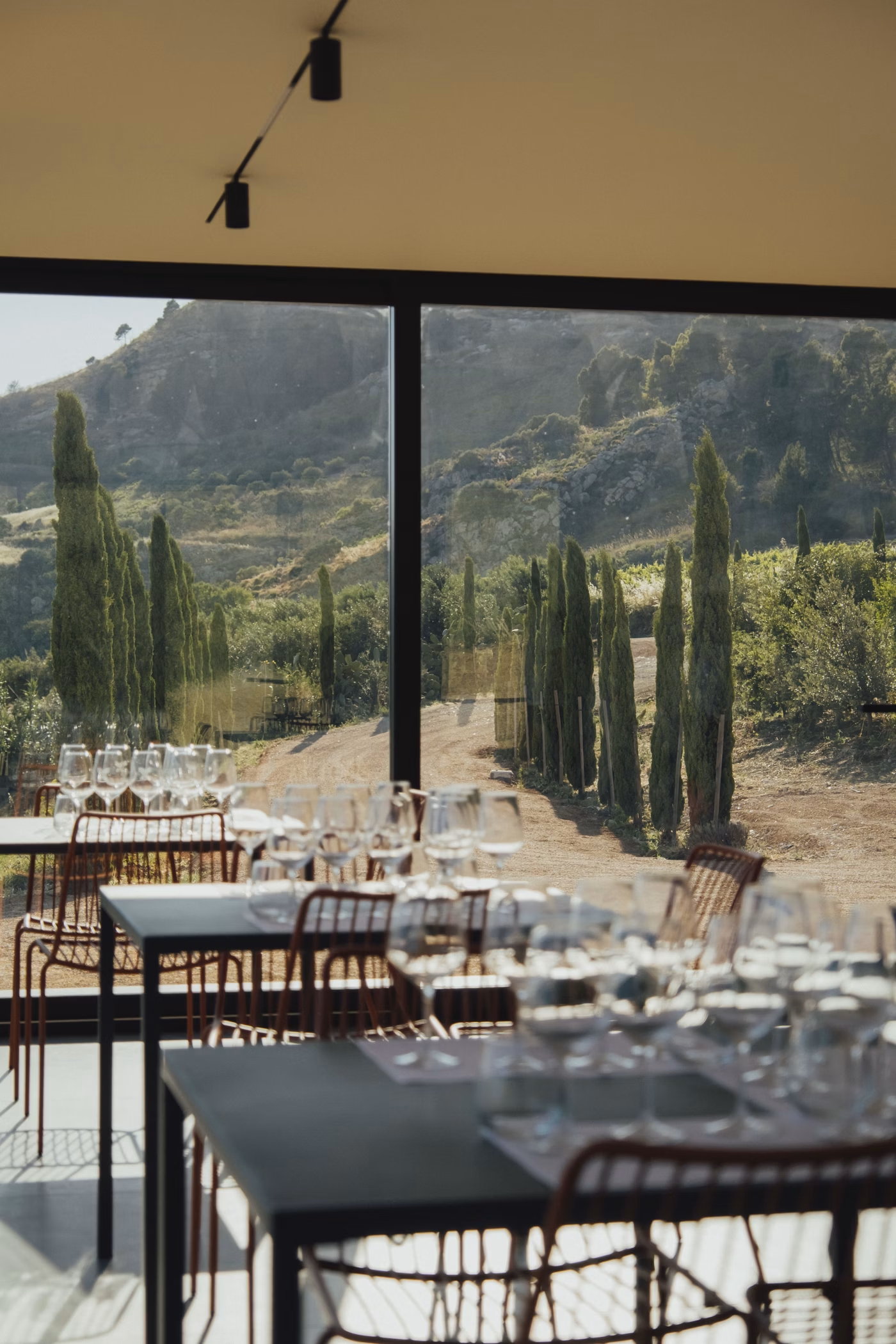
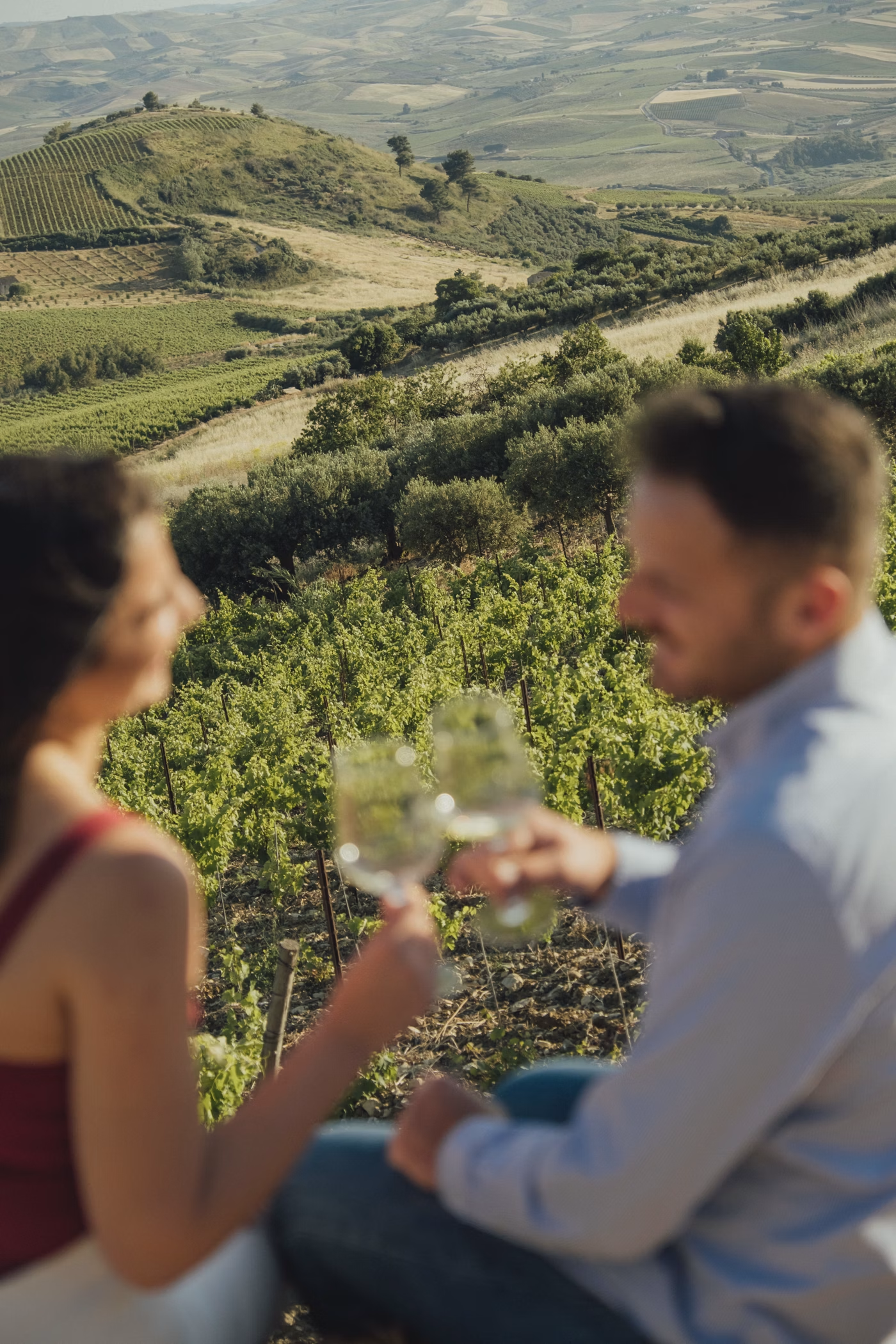
A wine tour in Sicily is a cultural and sensory experience that combines tasting native wines like Nero d’Avola, Catarratto, and Grillo with the discovery of landscapes, historic wineries, and family traditions. The term "wine tour" more precisely describes this practice in the specialized sector: it is not just a simple cellar visit, but a guided journey through vineyards, barrels, and glasses that tells the story of the region directly. Sicily is home to some of the oldest and most distinctive wine regions in Italy, from volcanic Etna to the salt pans of Marsala, and the hills of Vittoria and Alcamo. Tours typically last from 6–7 hours for day trips up to 3–4 days for more extensive packages. This variety makes Sicilian wine tourism accessible both to those with only a free afternoon and to those who want to immerse themselves for an entire week.
What are the main wine regions in Sicily?
Sicily produces wine in distinct pockets across the territory: each area has a precise character and an identity that is reflected directly in the glass.
- Etna: the mineral-rich volcanic soil gives the wines, especially Nerello Mascalese and Carricante, a rare freshness and complexity. The vines grow at altitudes between 400 and 1,000 meters, with temperature fluctuations that preserve the natural acidity of the grapes.
- Marsala and the Trapani area: an area with a centuries-old tradition, famous for Marsala DOC and varieties like Grillo and Catarratto. Historic Marsala wineries, such as Florio and Pellegrino, offer guided tours with tastings in evocative settings known as "bagli," with average costs ranging from 15 to 25 euros.
- Vittoria: the only Sicilian DOCG, it produces Cerasuolo di Vittoria using Nero d’Avola and Frappato. The hot, dry climate of the Ragusa area enhances the structure of the Nero d’Avola, which reaches its most elegant expression here.
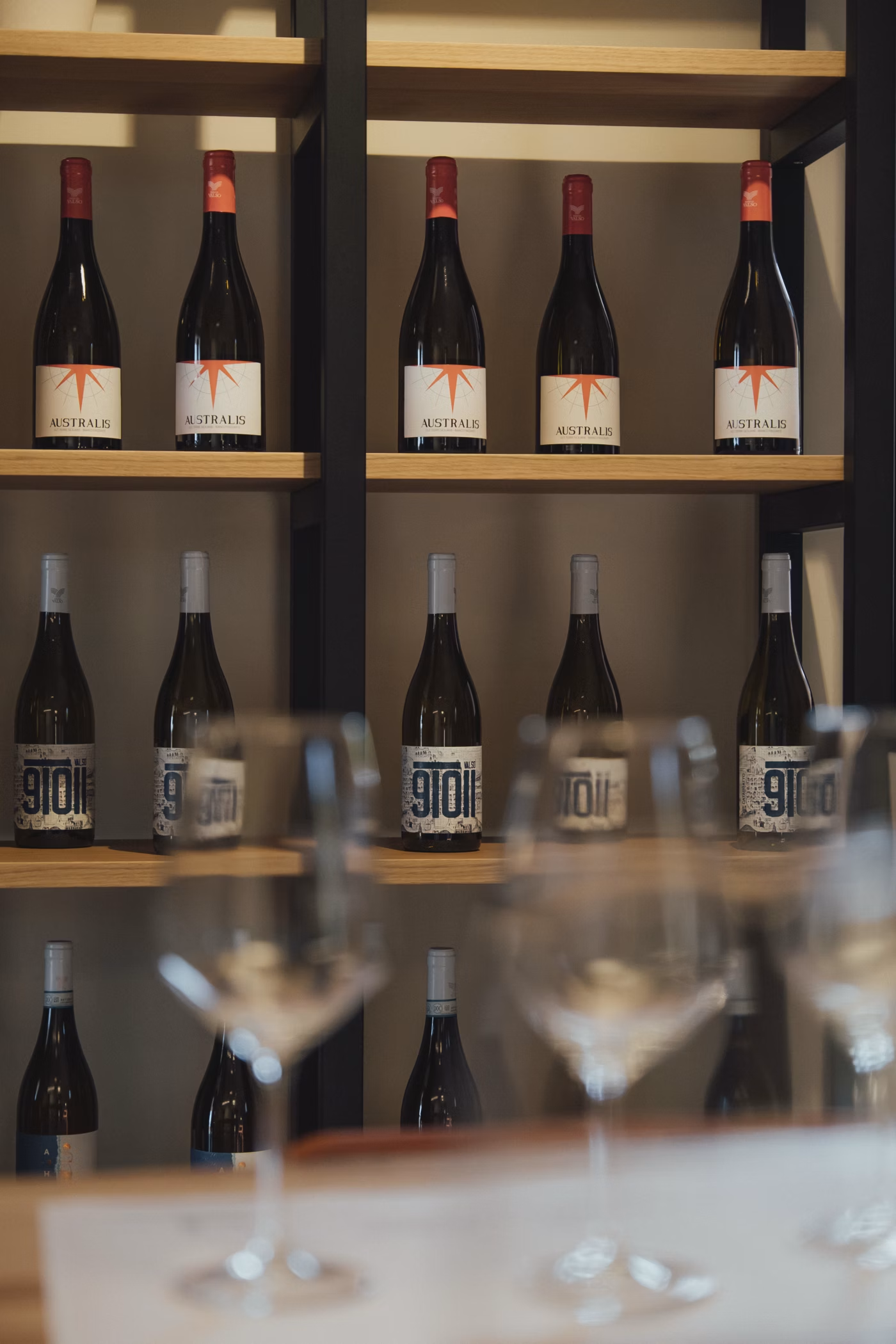
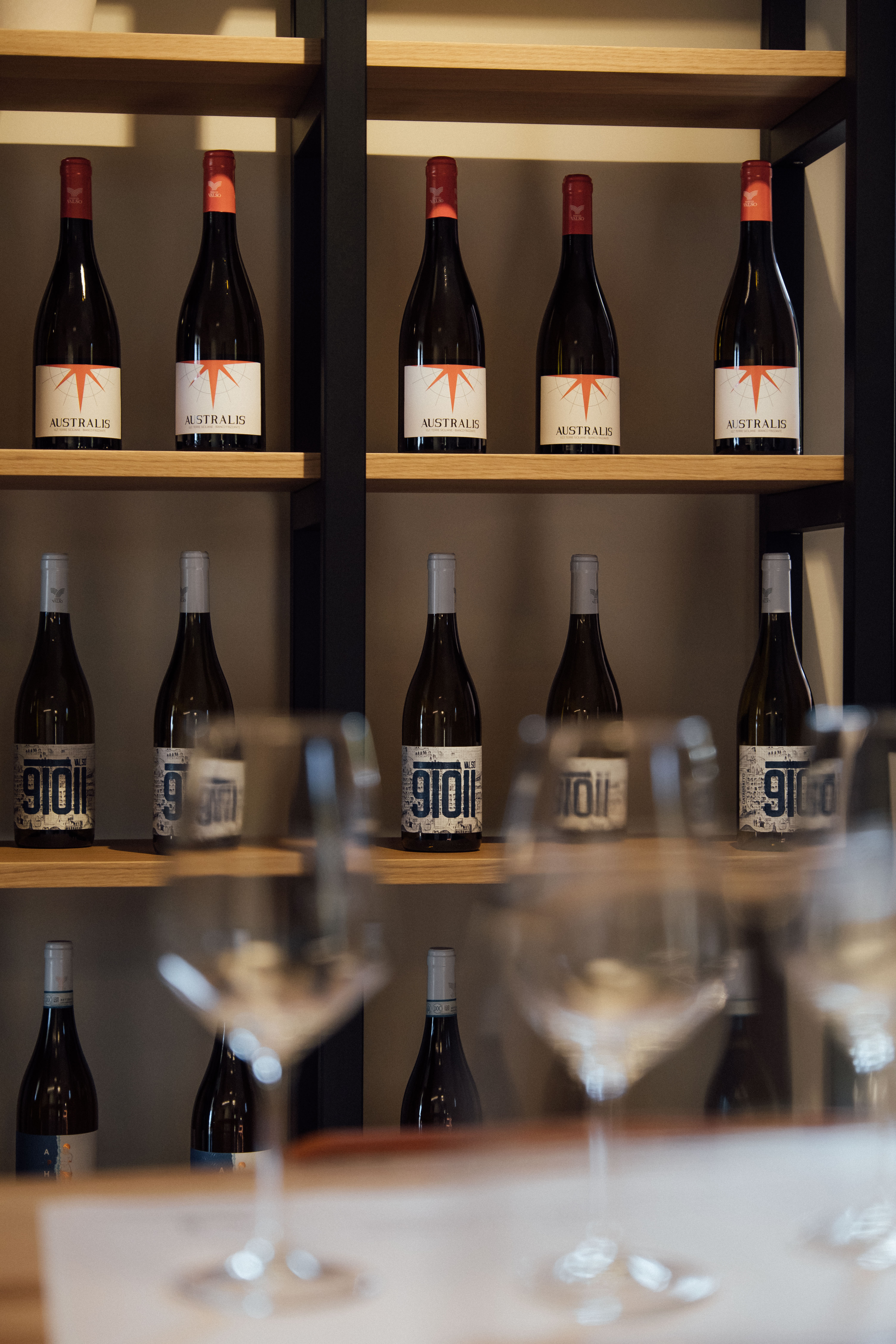
- Alcamo DOC: the heart of the Trapani area, a region dedicated to Catarratto and Grillo. Tenute Valso, the Vallone family winery, produces labels here such as Aphor (Grillo), 91011 (Catarratto), and Conteco (Nero d’Avola), with Sicilian wine tastings open to visitors.
- Regaleali and inland areas: the hills around Palermo offer an authentic rural landscape, with vineyards as far as the eye can see and wineries working with both native and international varieties.
Each area requires at least half a day to be fully appreciated. Planning your tour by geographical area avoids unnecessary travel and allows you to truly delve into the character of each territory.
How to choose and organize a wine tour in Sicily
The type of tour you choose depends on your available time, budget, and level of interest in wine.
- Day tour (6–7 hours): ideal for those who want a taste of the experience without committing to multiple days. It usually includes 2–3 wineries, guided tastings, and a traditional meal. The average cost starts at around 100–200 euros per person for group experiences.
- Weekend package (2 nights, 3 days): combines winery visits, stays in wine resorts, and gourmet dinners. Premium packages can reach 250–300 euros per person, including dinner and private transport.
- Extended tour (4 days, 3 nights): allows you to cover more wine regions, from Mount Etna to Marsala, at a relaxed pace with cultural insights. Suitable for those who want to use wine as a lens through which to explore the entire island.
Booking in advance is essential for the most renowned wineries, especially in September and October. Many establishments limit group sizes to ensure the quality of the experience.
A tip: always choose a tour that includes transport. Sicilian wine regions are rural and poorly connected by public transport; driving after tastings is unsafe and detracts from the experience.
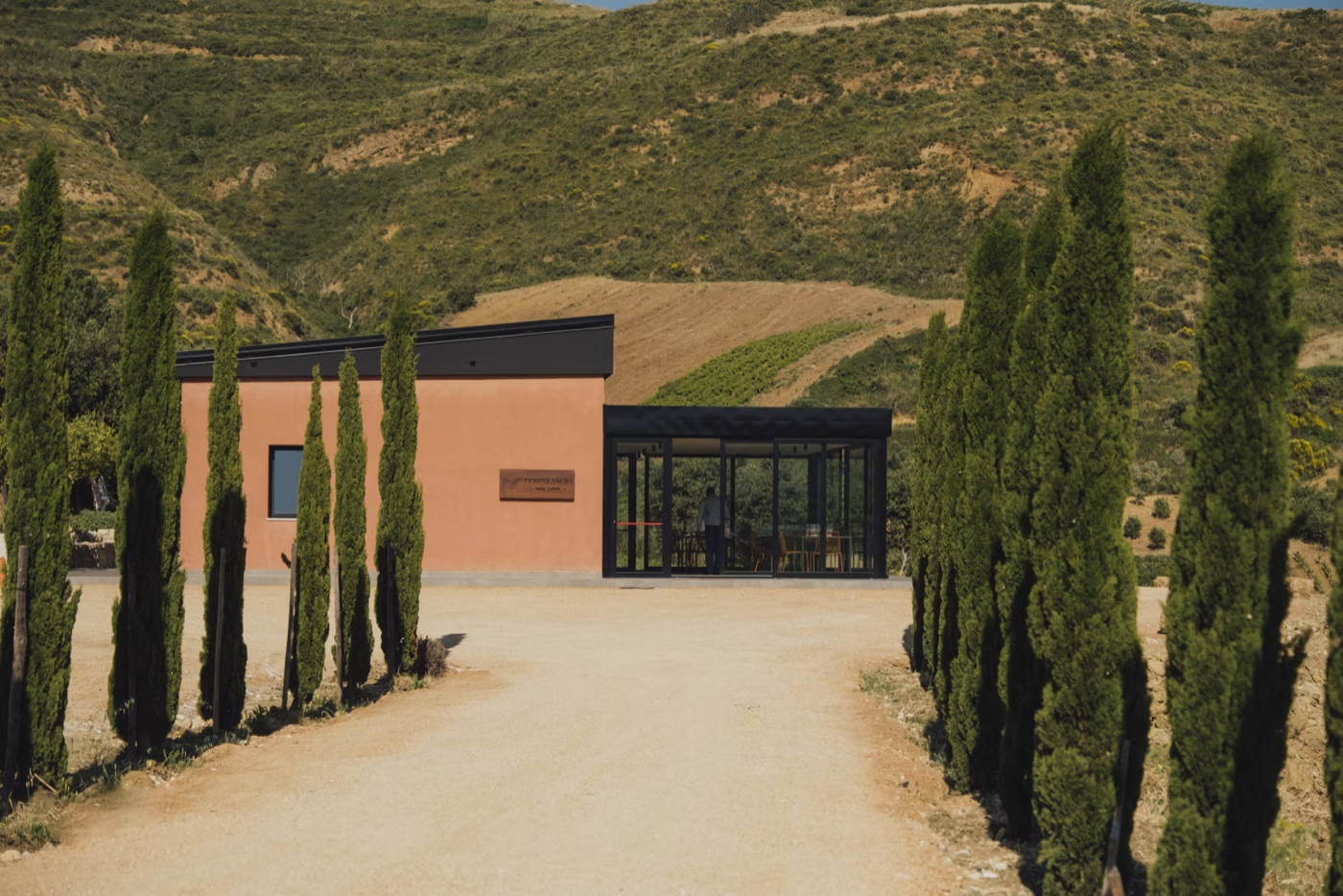
What to expect during a winery visit in Sicily
A wine tour in Sicily is a cultural immersion that goes far beyond a simple tasting. Every visit tells a story of people, soil, and production choices.
- From vine to bottle: the most well-equipped wineries showcase the entire process, from winter pruning to fermentation and bottling. Seeing wooden barrels and steel vats side by side helps you understand why two wines made from the same grape can be so different.
- Guided tastings: a winemaker or sommelier leads the tasting, explaining aromas, structure, and pairings. On Mount Etna, an expert guide is essential to navigate the "contrade," the micro-terroirs that change the character of the wine from one slope to the next.
- Food pairings: pecorino cheese, cured meats, olives, and homemade bread almost always accompany tastings at Sicilian wineries. Some estates offer full dinners featuring traditional local dishes paired with each label.
- Purchasing and shipping: many wineries offer direct shipping of wine to your home, solving the problem of carrying it in your suitcase. This option is especially useful for those buying multiple bottles.
- Family stories: family-run wineries, such as Tenutevalso in Alcamo, offer direct contact with the producers. Hearing the story of the Vallone family while tasting Conteco or Aphor adds a layer of meaning that no written guide can replicate.
A tip: bring a notebook or use your phone to jot down your favorite labels during the tasting. After three or four wines, the details are easy to mix up.
Practical tips for making the most of a wine tour in Sicily
The best time for a wine tour in Sicily is September and October. During these months, wineries are in full swing for the harvest, and you can taste new vintages directly from the barrels. Spring, between April and May, is the second-best choice: the vineyards are green, the weather is mild, and the wineries are less crowded.
- Transportation: relying on an organized tour with a minibus or private car is the safest choice. Sicilian wine regions are rural, and public transport does not reach most of the wineries.
- Attire: comfortable, closed-toe shoes for walking through the rows, a hat for the summer sun, and a light layer for the underground cellars, where temperatures drop even in summer.
- Reservations: always confirm your visit at least a week in advance. Some wineries only accept booked groups and do not accommodate walk-in visitors.
- Allergies and intolerances: please notify us of any food allergies in advance. Food pairings often include dairy, gluten, and nuts.
- Safety: do not drive after tastings. Even when sampling moderate amounts across several wines, your blood alcohol level can rise. A tour with included transportation eliminates this risk entirely.
The best wine tour experiences in Sicily in 2026
The most comprehensive experiences combine tastings with excursions, stays at wine resorts, and gourmet dinners, creating a total immersion into the world of Sicilian wine and culture. The following table illustrates some representative itineraries by duration and content.
A 3-day itinerary in the Trapani area, for example, can start in Alcamo with a visit to Tenutevalso and a tasting of Sicilian classics, continue toward Marsala for the historic wineries, and conclude with a sunset over the salt pans. Those who prefer Mount Etna can build a themed tour around the northern slopes, where Nerello Mascalese expresses aromas of red fruits and spices with an unmistakable volcanic minerality.
Customized tours with a winemaker are the best choice for those who want to go beyond a standard tasting. Guided tours with experts offer superior educational value, with insights into low-intervention winemaking techniques and the history of the region. Tenutevalso offers a tour with the winemaker directly at the winery in Alcamo, featuring personalized tastings and a firsthand account of the production process.
Sicily in a glass: what the tours don't tell you
I have visited dozens of wineries throughout Italy, but Sicily has something that other regions cannot replicate: the feeling that every bottle contains a personal story, not just a product. In the family-run wineries of the Trapani area, like Tenutevalso, you can still feel the weight of the choices made generation after generation. It’s not nostalgia. It’s substance.
The thing that surprised me most while visiting Sicilian wineries is how little space marketing occupies and how much direct conversation with the producers matters instead. A winemaker who explains why they chose Catarratto over Chardonnay, or why they ferment in steel rather than wood, gives you a key to understanding that transforms every subsequent sip.
My most honest advice: avoid overcrowded tours that visit four wineries in six hours without ever really stopping anywhere. It is better to visit just one winery, with time to walk through the rows, ask questions, and sit down at the table. The quality of the experience is not measured in labels tasted, but in what you remember the next day.
Sicily rewards those who slow down. And wine, after all, has always been an invitation to do just that.
— Federico
Tenutevalso: an authentic wine tour in Alcamo
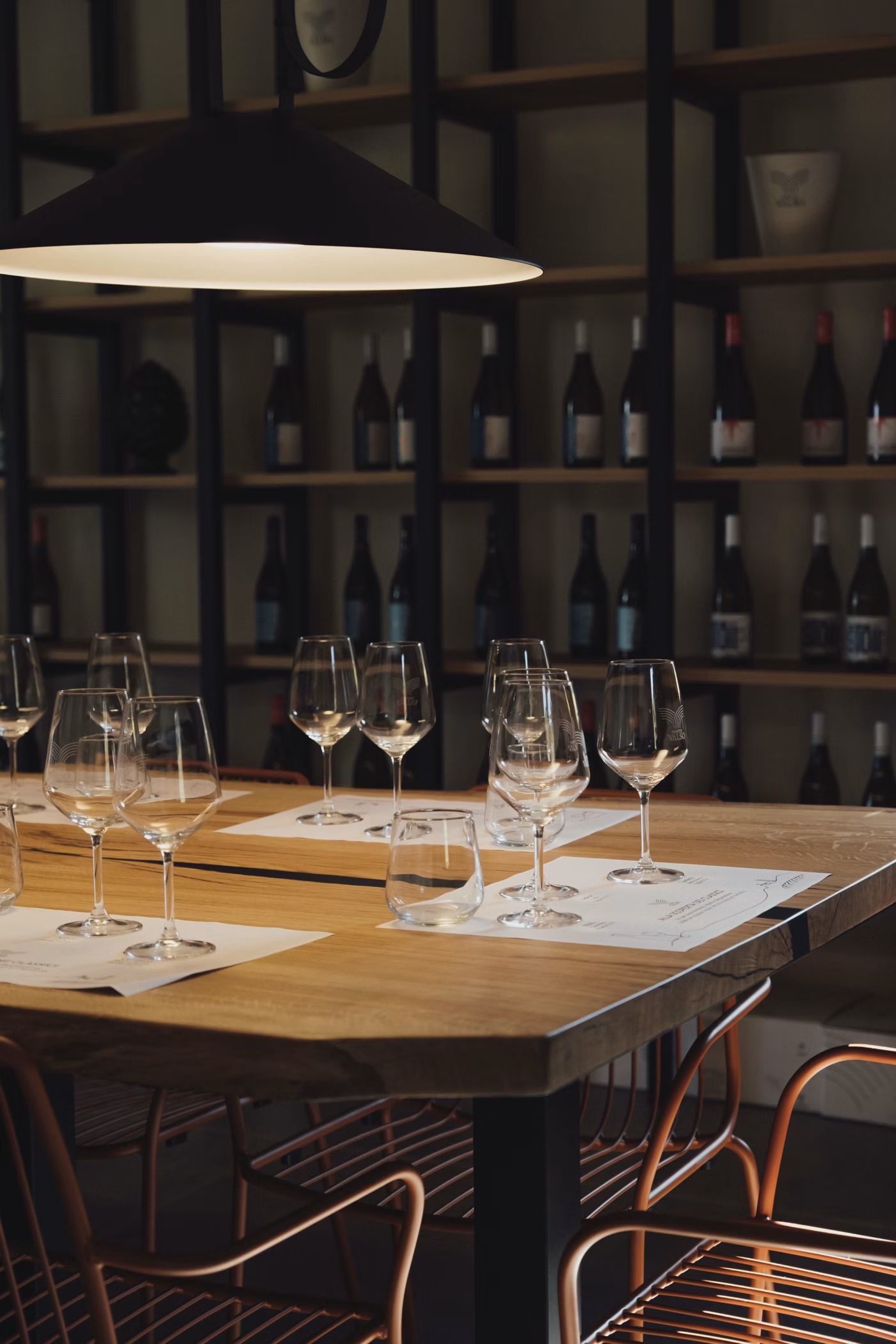
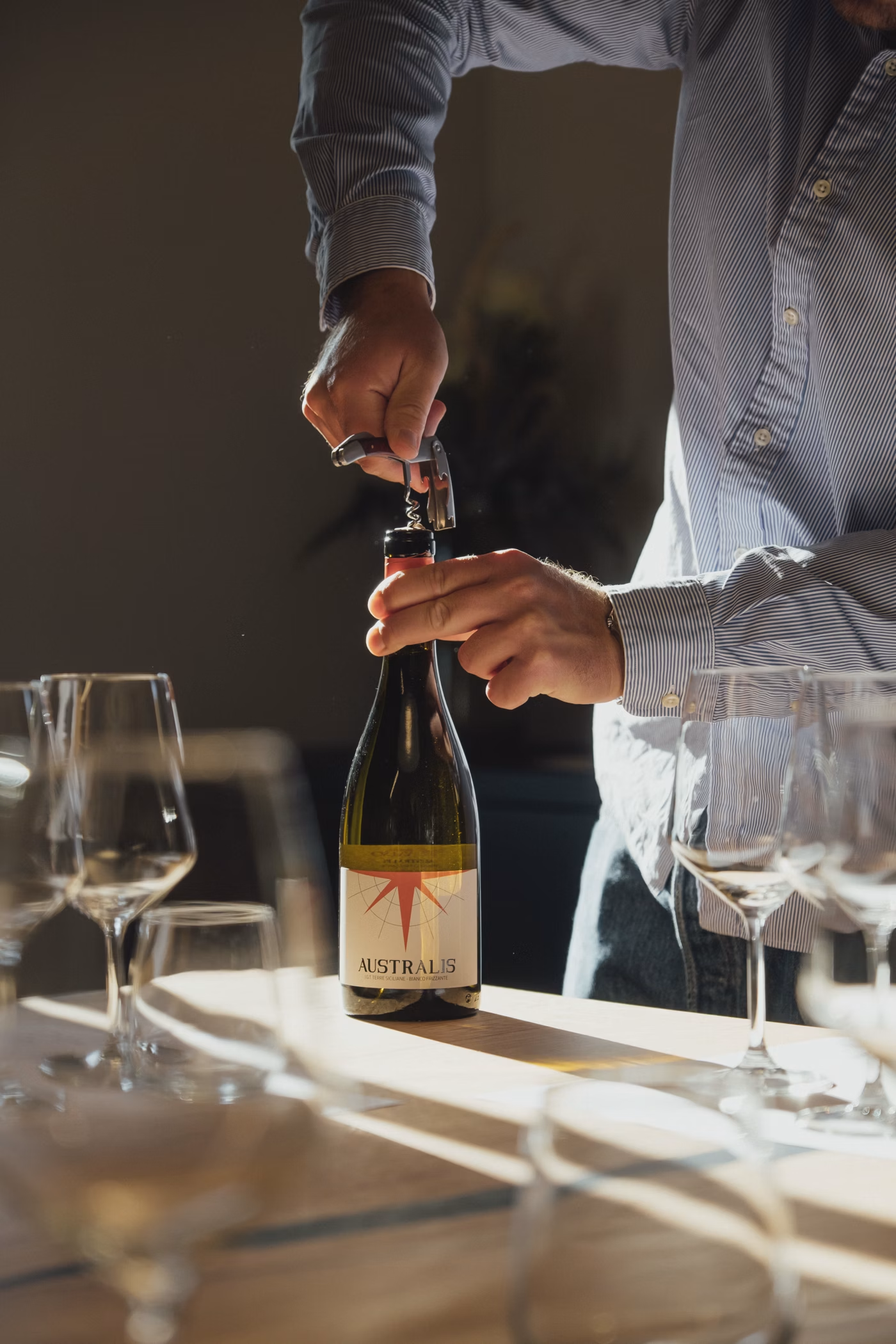
The Vallone family winery in Alcamo is a landmark for anyone looking to enjoy a wine tourism experience in the heart of the Trapani area. Tenutevalso opens its doors to visitors and enthusiasts with guided tastings, cellar tours, and an experience with the winemaker, designed for those who truly want to understand what is in their glass.
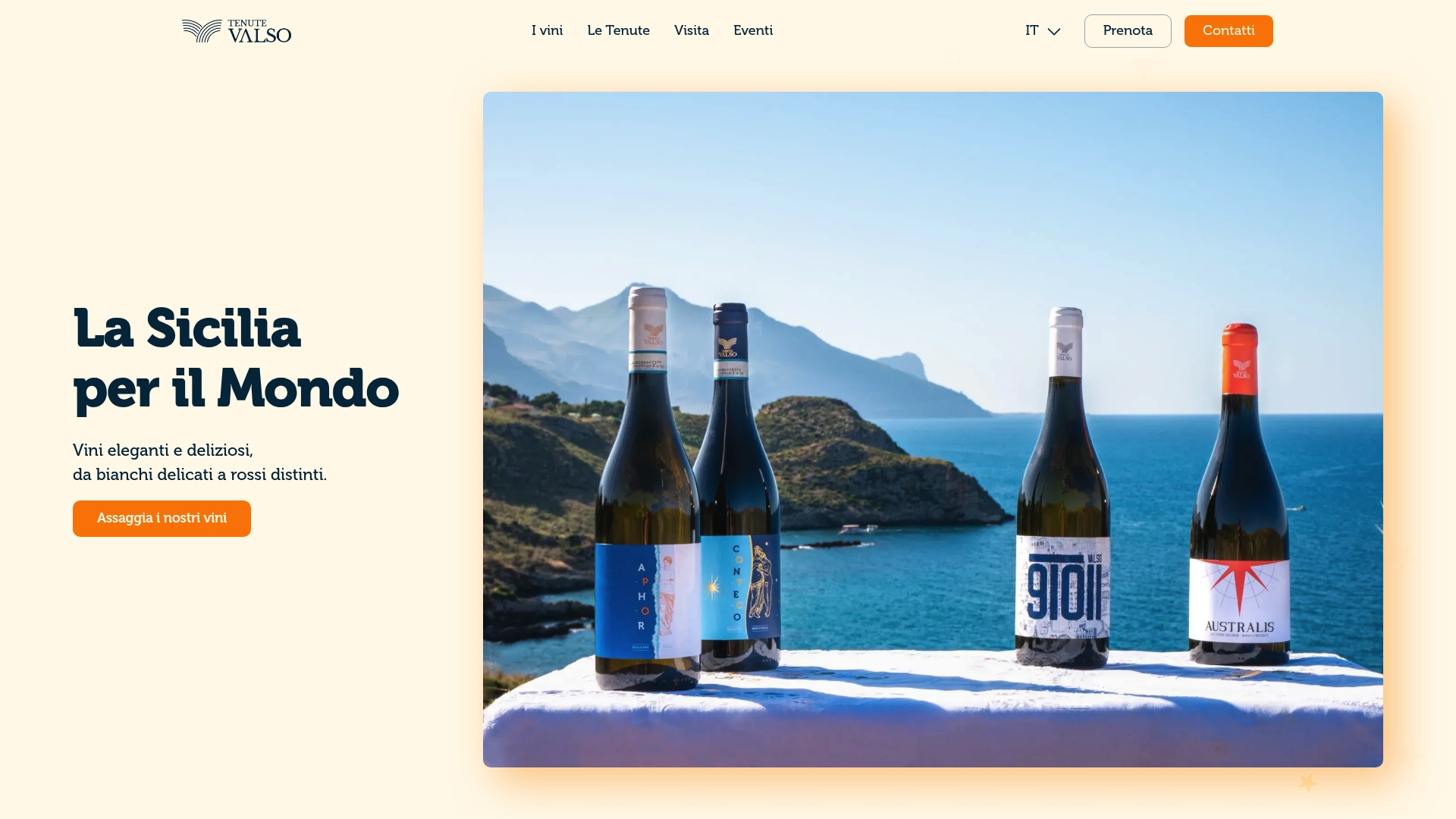
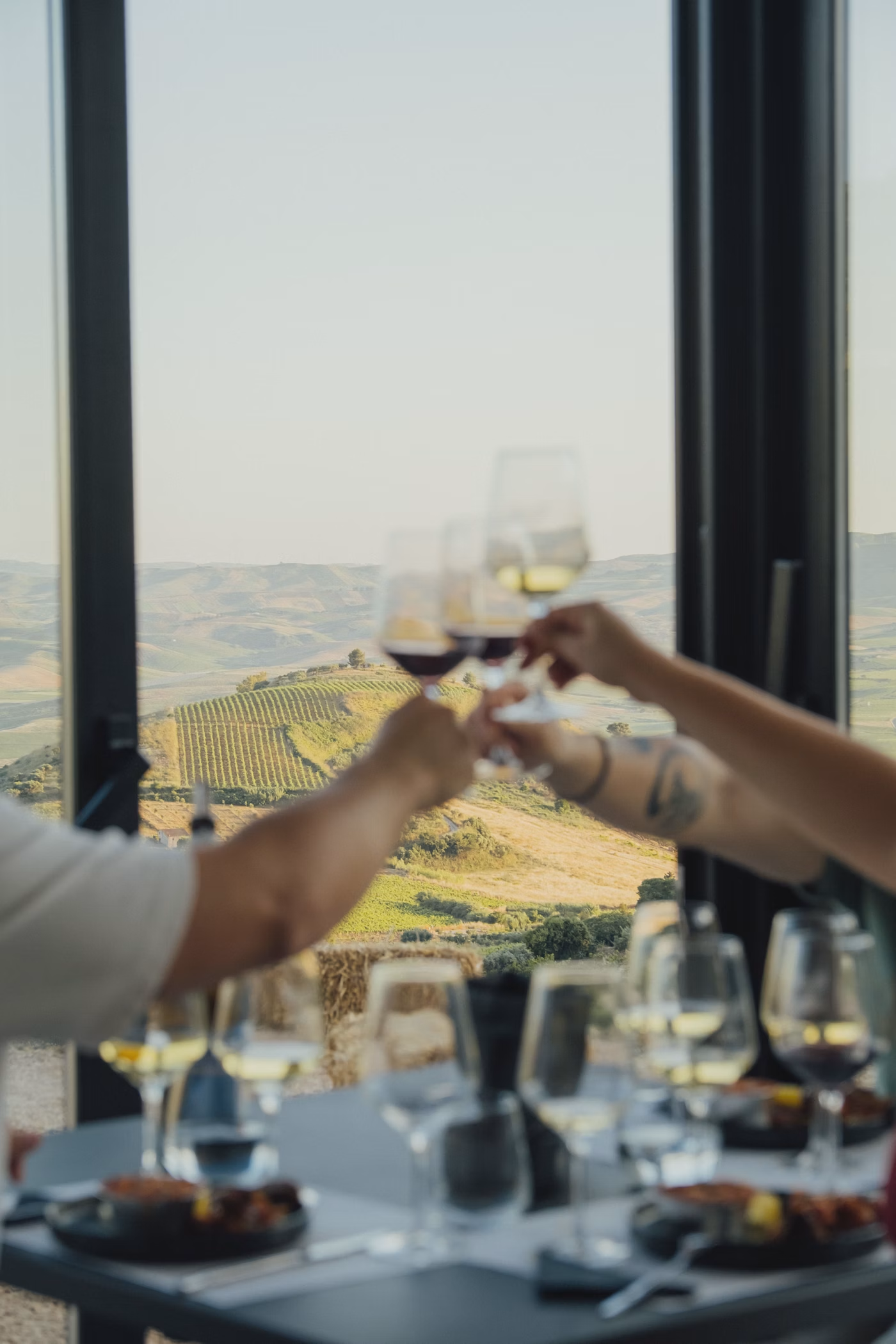
From DOC Alcamo labels to IGT Terre Siciliane wines, every tasting tells the story of the region through varieties such as Grillo, Catarratto, and Nero d’Avola. For an even more complete experience, the dinner in the vineyard pairs Tenutevalso wines with traditional Sicilian dishes, in a setting that combines landscape, food, and culture in a direct and authentic way.
Frequently asked questions
How long does a wine tour in Sicily last?
A day tour typically lasts 6–7 hours, while weekend packages cover 2–3 days and extended tours can last up to 4 days, including accommodation.
What is the best time for a wine tour in Sicily?
September and October are the ideal months: the wineries are in full swing for the harvest, and you can taste new vintages directly from the barrels.
How much does a wine tour in Sicily cost?
Group tours start at around 100–200 euros per person, while premium packages with gourmet dinner and overnight stay can reach 250–300 euros.
Do I need a guide to visit Sicilian wineries?
An expert guide is recommended, especially on Mount Etna, where the differences between the various districts require technical and historical context to be fully appreciated.
Can I buy wine directly at the winery?
Yes, many Sicilian wineries sell their labels during your visit and also offer direct shipping to your home, eliminating the hassle of carrying bottles in your suitcase.
Recommended
- Tenute Valso | Winery & Wine Estate in Alcamo, Sicily
- Tenute Valso | Winery & Wine Estate in Alcamo, Sicily
- Discovering the classics - Tasting - Tenute Valso
- Wines of Western Sicily - Tasting - Tenute Valso