
Sicilian white wines: a guide to grape varieties, DOCs, and food pairings
Sicilian white wines are enjoying their finest hour. For decades, Sicily was primarily known for its reds, but today it is the whites that are leading the rediscovery of the island: fresh, Mediterranean, and capable of capturing the sea, the wind, and the soils from which they originate. It is no coincidence that a white wine, Alcamo DOC, was one of the first denominations recognized in Sicily.
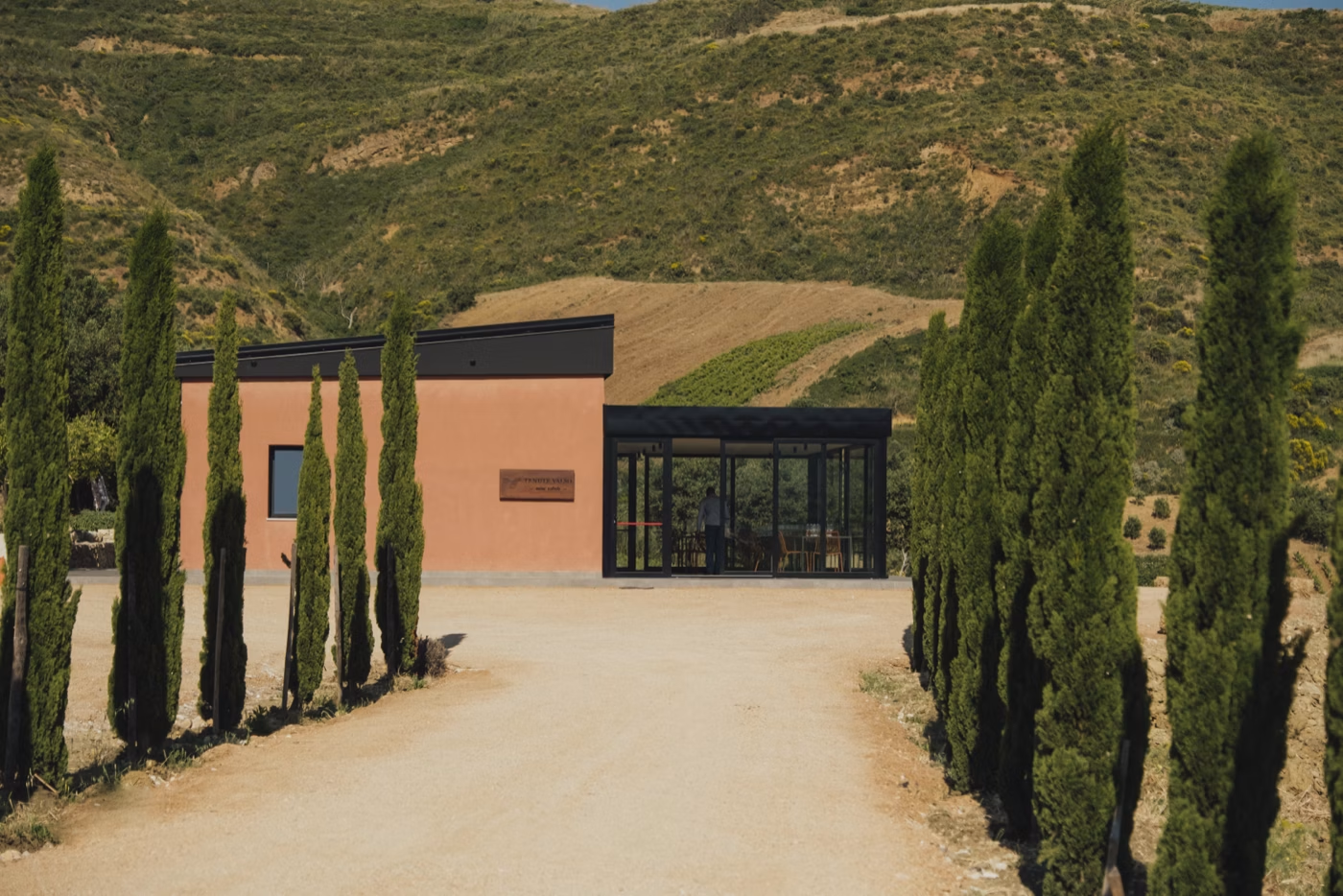
At Tenute Valso, we have been cultivating white grape varieties for generations in the hills of Alcamo, in the heart of the historic Sicilian white wine region. In this guide, we share what we have learned in the vineyard and the cellar: which grape varieties to know, the most important areas and denominations, how to choose a bottle, and what to serve with it.
Why Sicily is a land of great white wines
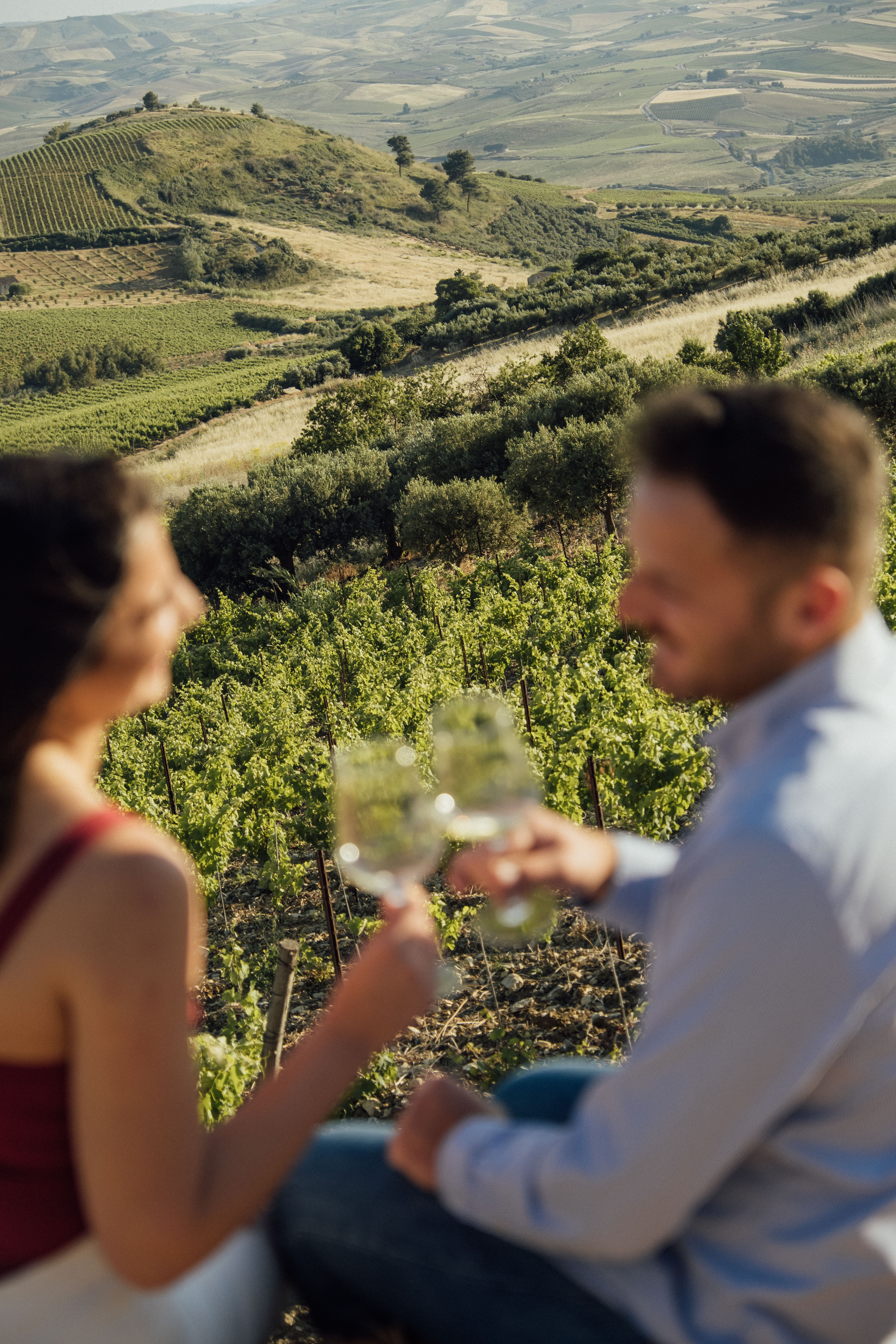
Those who imagine Sicily as a scorching land are often surprised to discover that most of its vineyards grow in the hills, at altitudes between 200 and 900 meters. The temperature fluctuations between day and night, constant breezes, and abundant light allow white grapes to ripen while maintaining acidity and aromatics: the ideal conditions for fresh yet characterful whites.
Added to this is a variety of soils unique in the Mediterranean: volcanic sands on Mount Etna, limestone and clay in western Sicily, and loose, mineral-rich soils in coastal areas. This is why two Sicilian whites produced a hundred kilometers apart can have completely different personalities—and why they are all worth exploring.
Sicilian white grape varieties to know
Catarratto, the premier grape of western Sicily
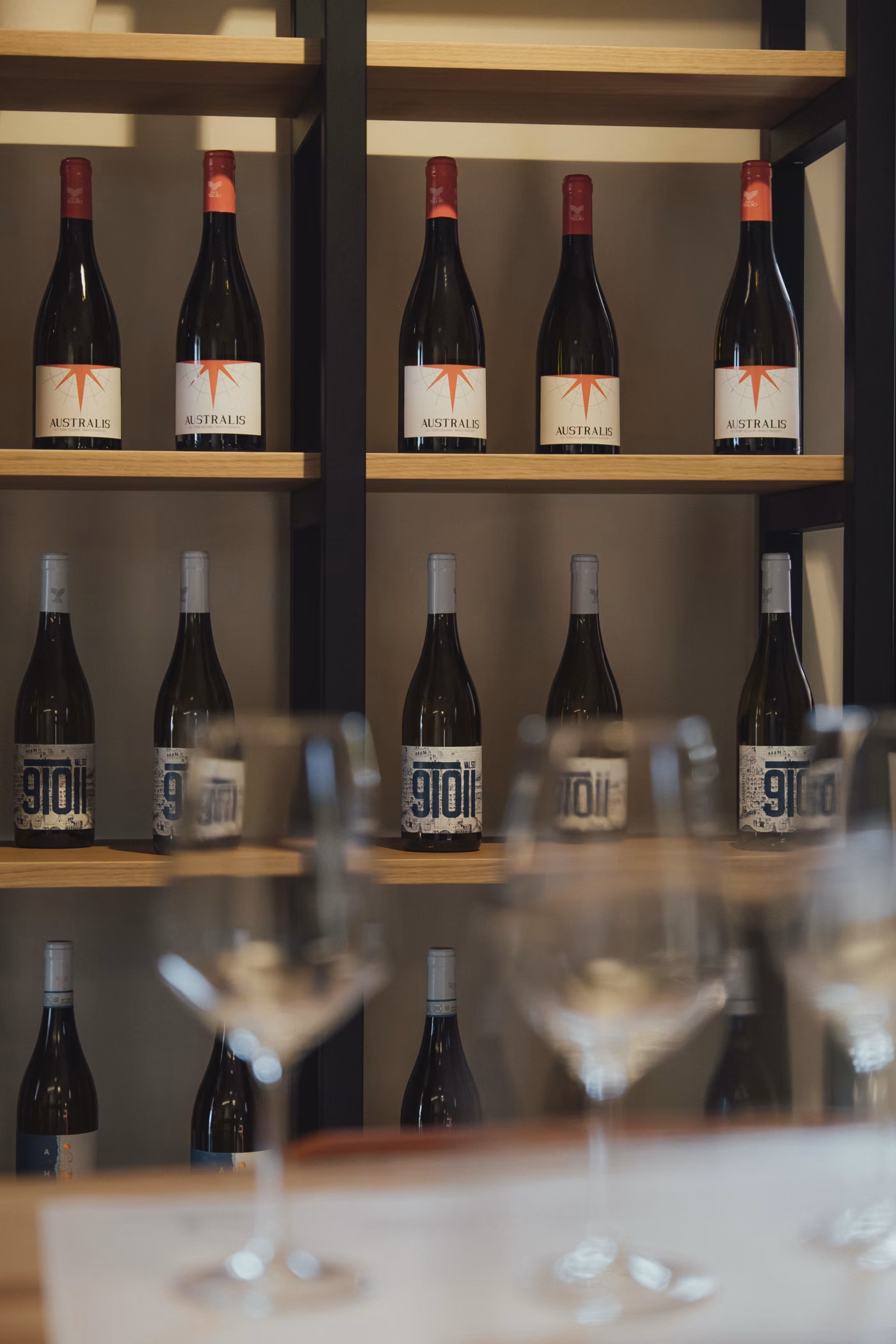
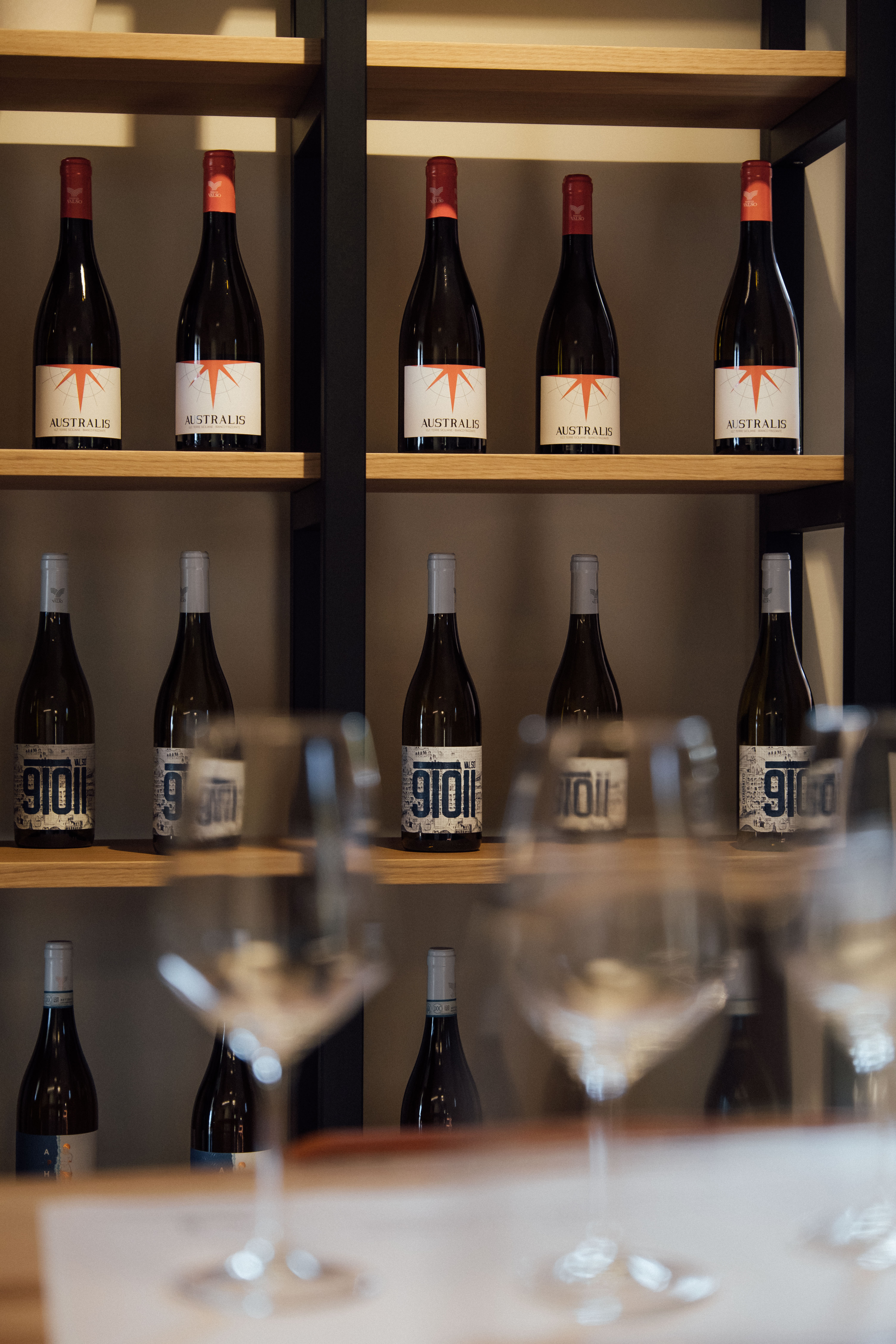
Catarratto is the most widely planted white grape in Sicily and one of the oldest in Italy. For a long time, it was used as a blending grape, but when vinified with care, it reveals a surprising profile: notes of orange blossom and citrus, an almost briny salinity, and a slightly bitter finish that makes it unmistakable. It is the heart of the Alcamo DOC and the grape we use to produce our 91011, a pure Catarratto dedicated to the history of our city.
Grillo, the most sought-after Sicilian white
Born from a cross between Catarratto and Zibibbo, Grillo is now the most requested Sicilian white wine in Italy and abroad. Historically linked to the production of Marsala, it has established itself as a great table wine: aromatic but never cloying, with scents of white peach, tropical fruit, and wildflowers supported by a firm backbone of acidity. Our Aphor, Grillo Sicilia DOC, was created to express this dual soul: sunshine in the glass, the sea in the finish.
Inzolia, the understated elegance
Also known as Ansonica, Inzolia is among the oldest white grape varieties on the island. It produces medium-bodied wines with delicate aromas of almond and white flowers and a pleasant softness. It often works in tandem with Catarratto and Grillo in western Sicilian blends, where it brings roundness and balance.
Zibibbo, the aromatic wine of the wind
Zibibbo—Moscato d'Alessandria—is the grape of the islands and wind-swept coasts. Famous for Passito di Pantelleria, when vinified dry, it offers one of the most fascinating whites in the Mediterranean: intensely aromatic, with notes of apricot, sage, and orange zest, perfect for those looking for an instantly recognizable wine.
Carricante, the white of the volcano
On the eastern slopes of Mount Etna, between 600 and 1,000 meters, Carricante produces vertical, taut, almost sharp whites with a minerality reminiscent of flint. It is the foundation of Etna Bianco DOC and proof of how long-lived Sicilian white wines can be: the best vintages evolve in the bottle for ten years or more.
Grecanico, Mediterranean freshness
Grecanico (related to the Venetian Garganega) completes the family of native white varieties: agile, floral, easy-drinking wines that are often the stars of everyday Sicilia DOC whites.
The denominations: the DOCs of Sicilian whites
Alcamo DOC. One of the first Sicilian DOCs, established in 1972, it was created specifically to protect the Catarratto-based white produced between the provinces of Trapani and Palermo. It is our home denomination: the Valso and San Nicola districts, where we cultivate our vineyards, are located in the heart of the historic area.
Sicilia DOC. The regional denomination that has unified much of the island's production. On the label, it often accompanies the name of the grape variety—Grillo Sicilia DOC, Catarratto Sicilia DOC—and is now the most common designation on store shelves.
Etna Bianco DOC. The territory of Carricante: mountain whites, mineral and long-lived, among the most highly regarded in Italy.
Marsala DOC. The historic denomination of western Sicily, home to great oxidative wines but also the cradle of Grillo and Inzolia.
Malvasia delle Lipari DOC. In the Aeolian Islands, a small production of sweet, aromatic whites of rare finesse.
Not just still: Sicilian sparkling whites
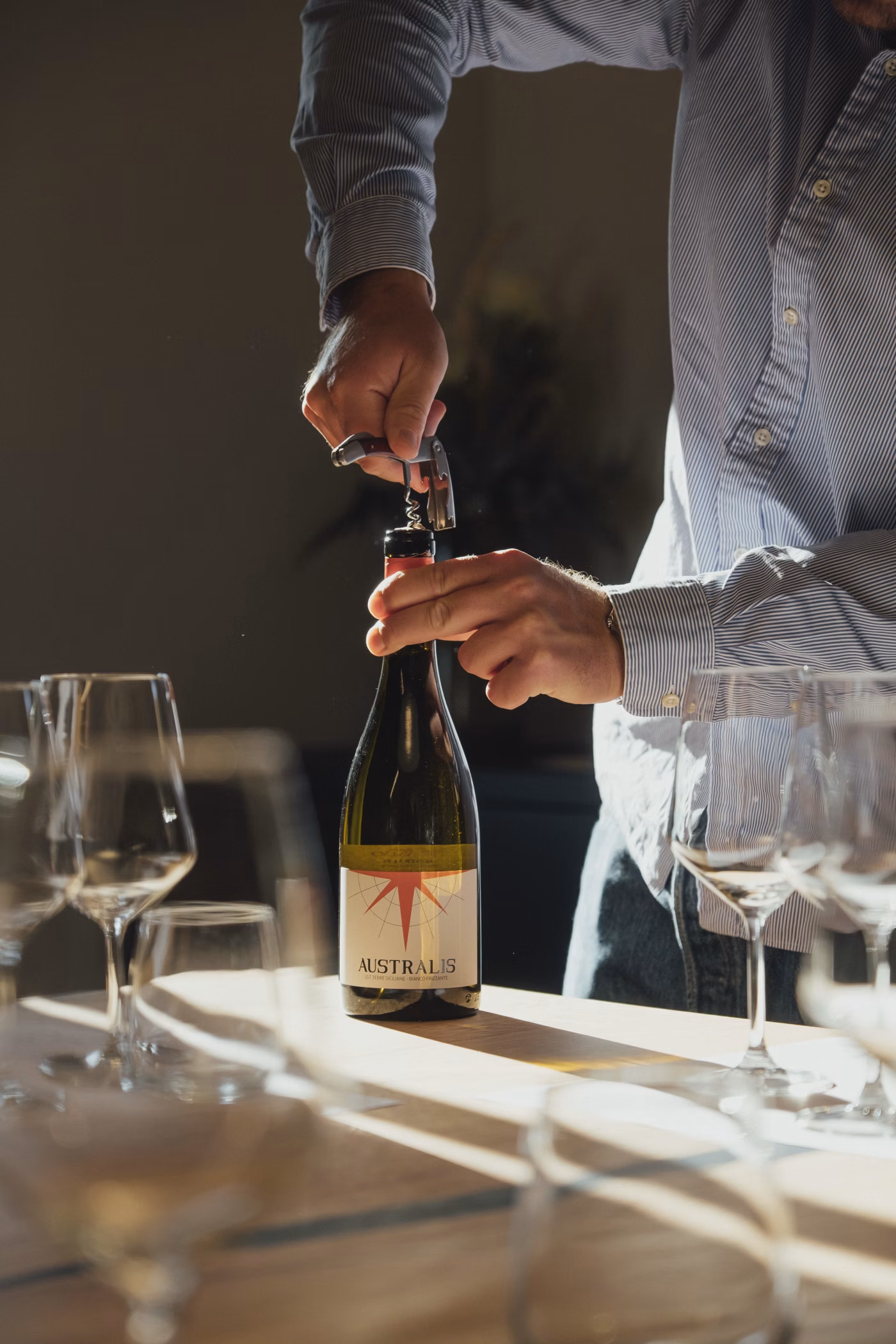
The natural freshness of Sicilian white grapes also lends itself perfectly to bubbles. More and more wineries are producing a Sicilian sparkling white wine using the Charmat method, ideal for aperitifs and seafood cuisine. This is the path we chose with Australis, our sparkling wine made from white grapes: acacia flowers, exotic fruit, and fine bubbles, designed for celebrating without compromising on quality.
Pairings: what to eat with Sicilian white wines
The simplest rule is also the truest: a region's cuisine is born alongside its wines. Sicilian whites are at their best with seafood and Mediterranean dishes.
A savory Catarratto is the perfect match for raw seafood, busiate with Trapanese pesto, and sarde a beccafico. Grillo, being more aromatic and structured, stands up to rich dishes like pasta with sardines, Trapanese-style fish couscous, or seared tuna. Dry Zibibbo is surprising with spiced cuisine and fresh cheeses, while an Etna Bianco deserves baked fish and white meats. Finally, sparkling wines were made for fried mixed seafood and Mazara red prawns.
Serving temperature: 8–10 °C for sparkling wines, 10–12 °C for young whites, and up to 12–14 °C for more structured or aged whites.
How to choose a Sicilian white wine
Three practical tips for when you're standing in front of a shelf or a wine list. First: start with the grape variety, because in Sicily it tells you much more than the region—a Grillo and a Carricante are different worlds. Second: check the vintage; most Sicilian whites are at their best within 2–3 years of the harvest, with the exception of Etna Bianco and the more ambitious Catarrattos. Third: look for those who actually produce the wine—family-run wineries, where the supply chain goes from the vineyard to the bottle, tell the story of the land better than any industrial label.
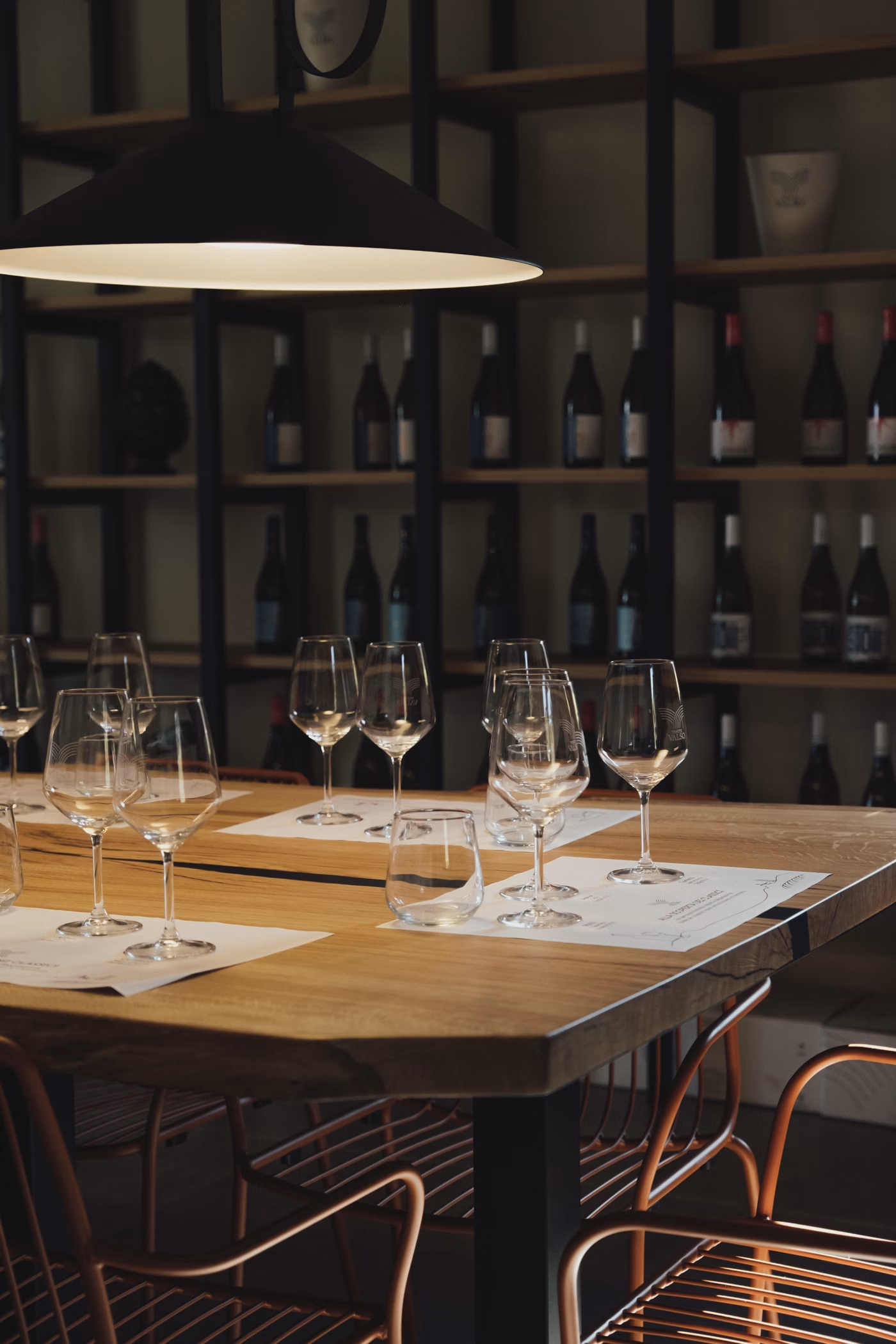
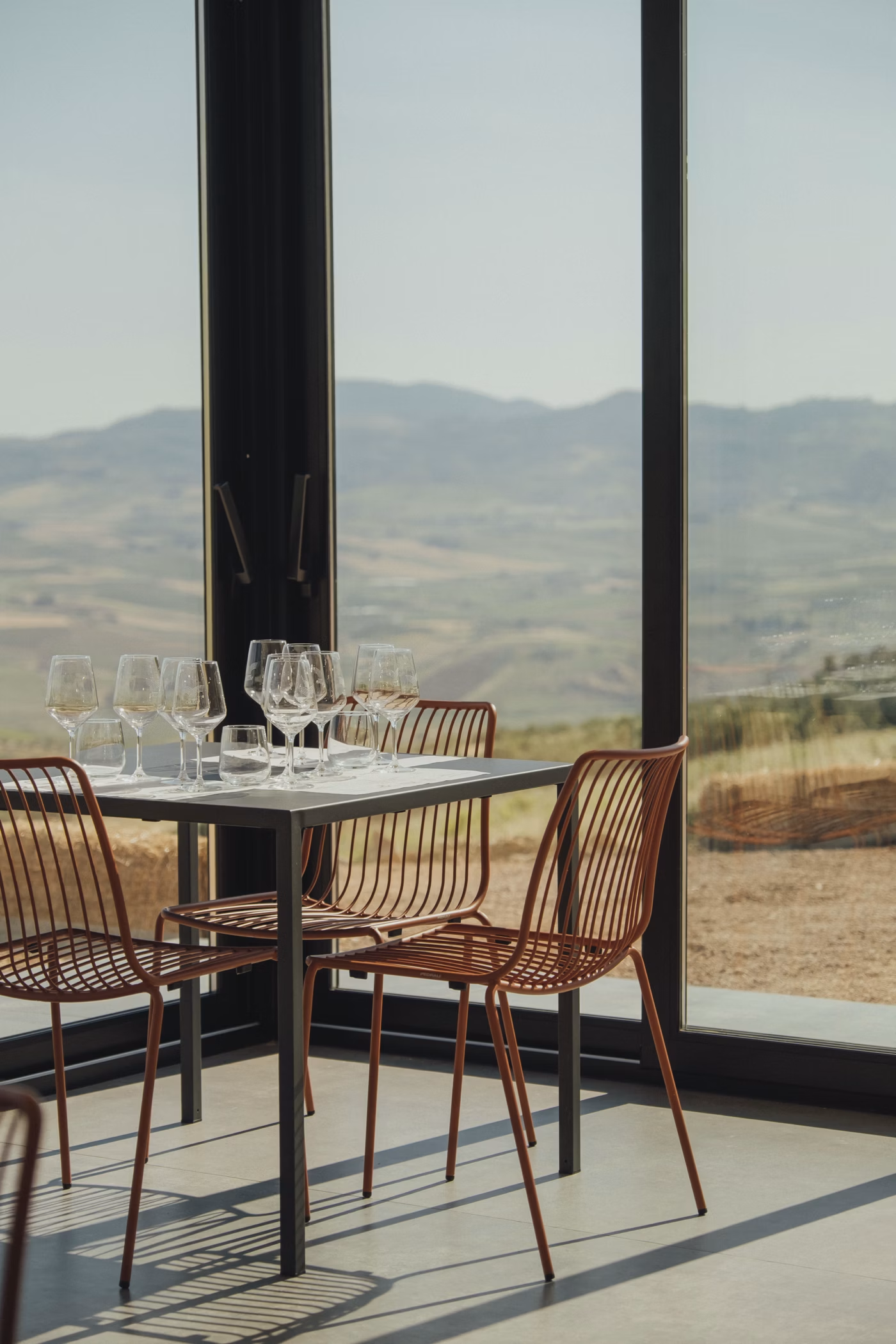
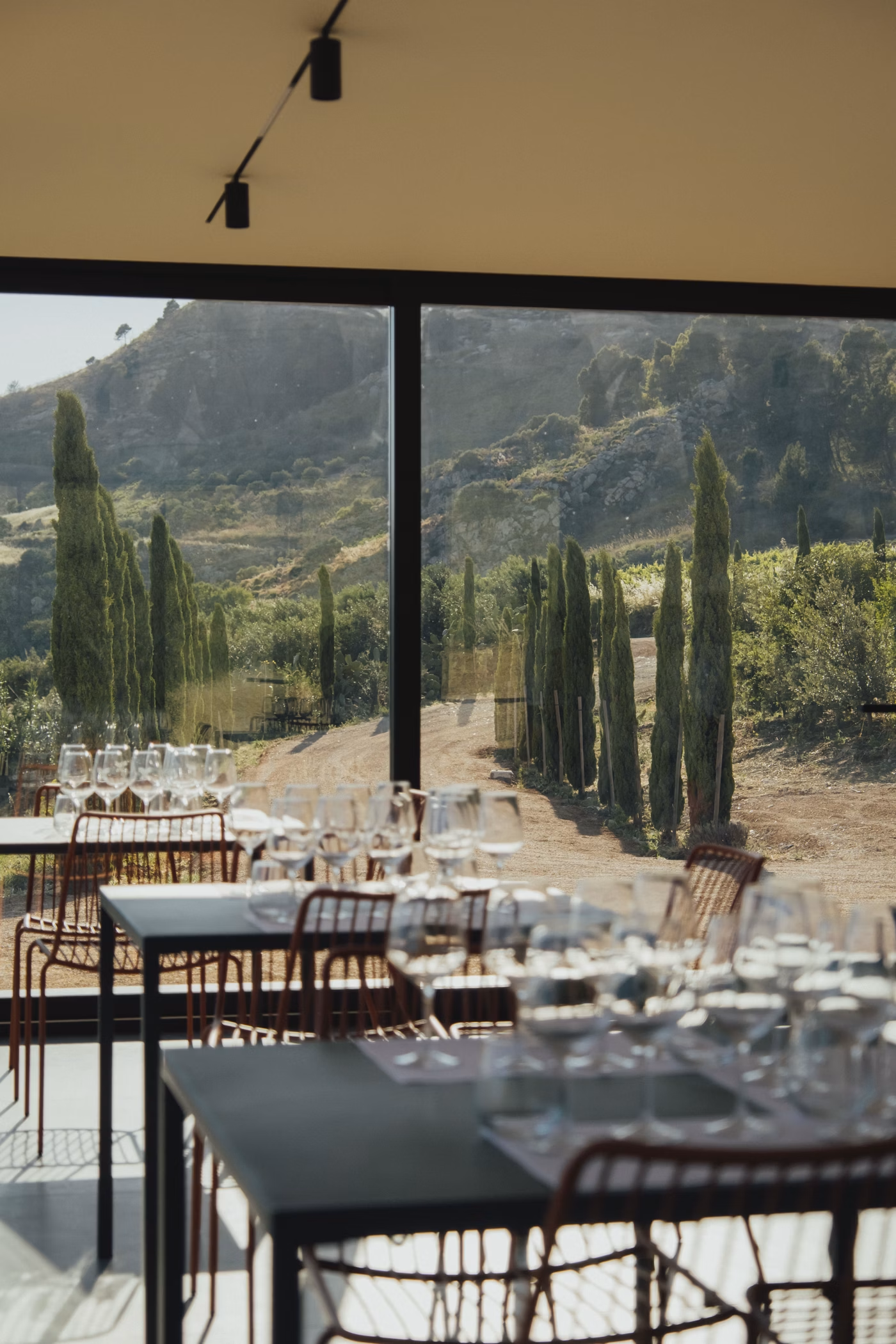
And if you want to go beyond the bottle, the best way to understand the whites of Sicily is to drink them where they are born: a tasting at the winery among the vineyards is worth more than a hundred technical data sheets.
Frequently asked questions about Sicilian white wines
What is the most famous Sicilian white wine?Today it is Grillo, the best-selling and most recognized Sicilian white in Italy and abroad. Right behind it are Catarratto, the most widely grown white grape on the island, and the Carricante-based Etna Bianco, which is highly acclaimed by critics.
What is the difference between Grillo and Catarratto?Grillo is more aromatic and fruity, with notes of peach and tropical fruit; Catarratto is more savory and mineral, with citrus, orange blossom, and a slightly bitter finish. Fun fact: Grillo was actually born from a cross between Catarratto and Zibibbo.
Are Sicilian white wines meant for aging?Most should be drunk young, within 2–3 years. Exceptions include Etna Bianco and certain carefully aged Catarrattos and Grillos, which can evolve in the bottle for over five years.
What pairs well with Sicilian white wines?All Mediterranean seafood cuisine: raw fish, shellfish, baked fish, fish couscous, as well as vegetables, fresh cheeses, and traditional pasta dishes like pasta with sardines or busiate with Trapanese pesto.
From the vineyard to the glass: our whites
In Alcamo, we grow Catarratto, Grillo, and other white varieties that tell the story of Western Sicily. From these grapes come Aphor (Grillo Sicilia DOC), 91011 (Catarratto) and Australis, our sparkling wine. If you would like to taste them where they are made, come visit us: here you can find our winery tour and tasting experiences, or the complete guide to wine tastings in Sicily to plan your itinerary.