Wine tasting in Sicily: what it means, the different types, and how to make the most of it
Wine tasting is a term you see everywhere now: on booking platforms, travel sites, and hotel brochures. But what exactly does it mean? Is it just the English word for "tasting," or is there more to it? And above all: how do you do a wine tasting properly?
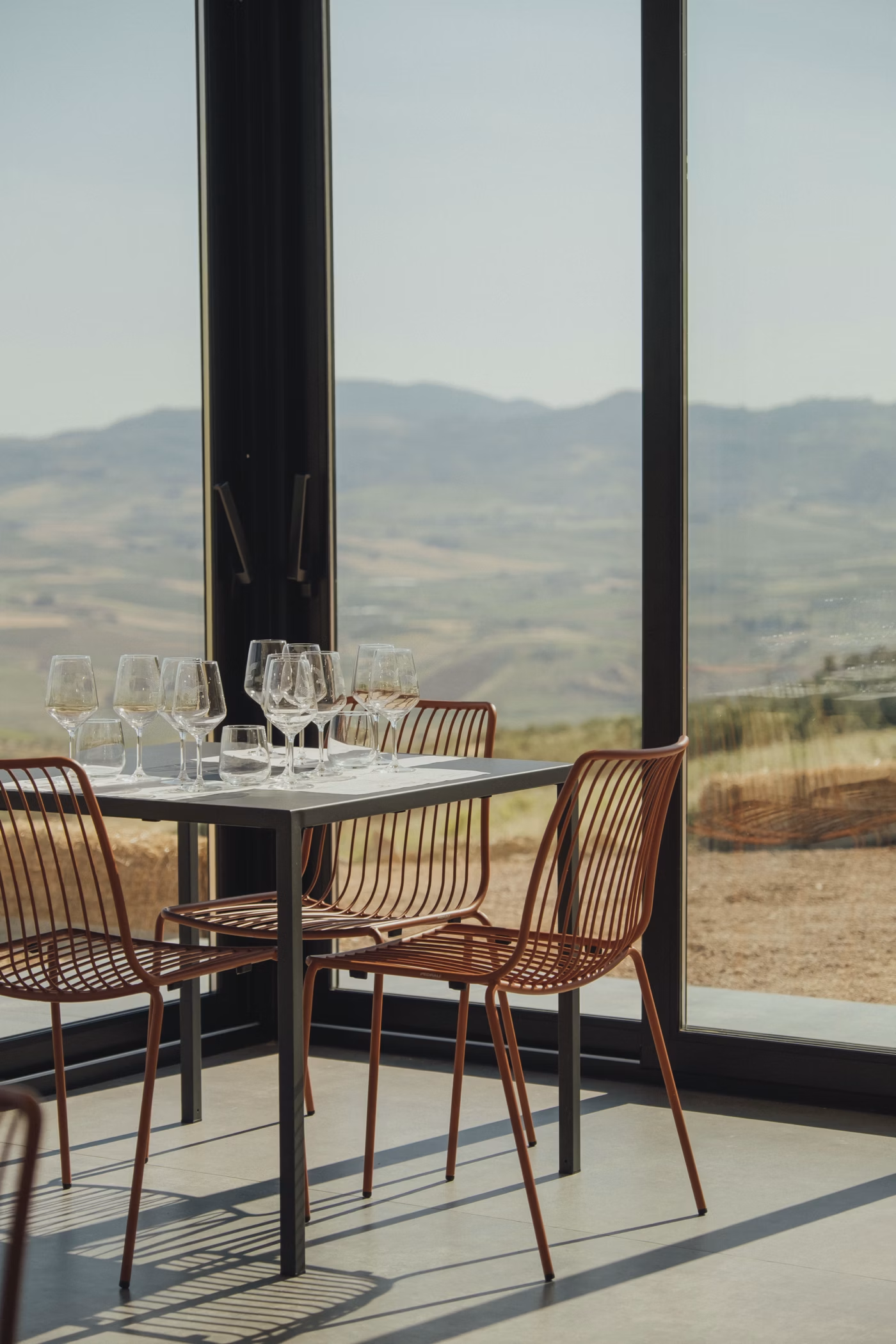
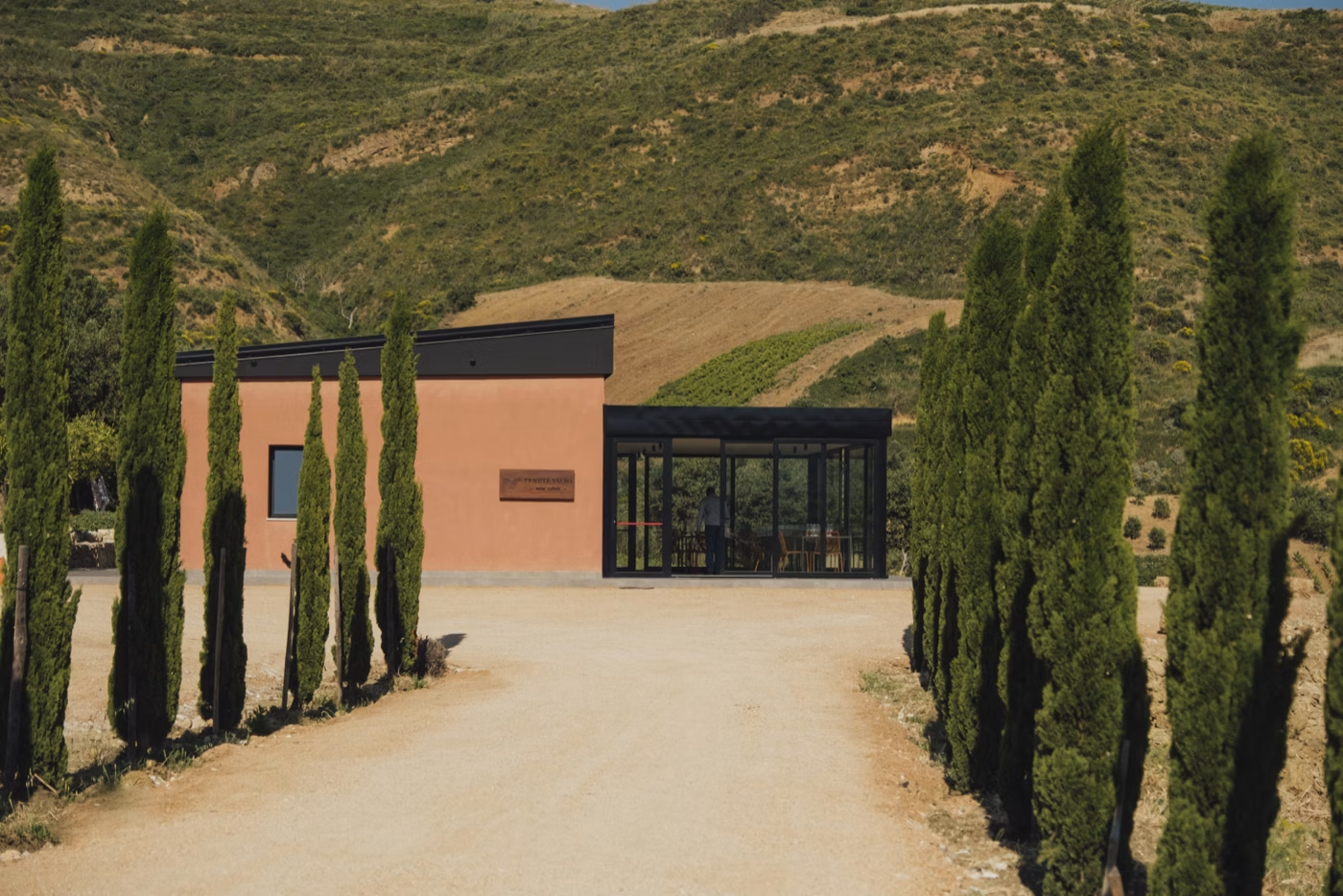
In this glossary entry, we’ll clear things up from the perspective of those who host wine tastings every week: we are Tenute Valso, a family-run winery in Alcamo, Western Sicily, and we welcome guests from all over the world to our tasting room. Here is everything you need to know about the term, the technique, and how to experience it in Sicily.
Wine tasting: meaning of the term
Literally, wine tasting means "tasting wine": a guided experience where you don't just drink the wine, but analyze it—with your eyes, your nose, and finally your palate—to grasp its characteristics, quality, and history. The difference from everyday drinking lies right there: in a tasting, every glass is explained, compared, and understood.
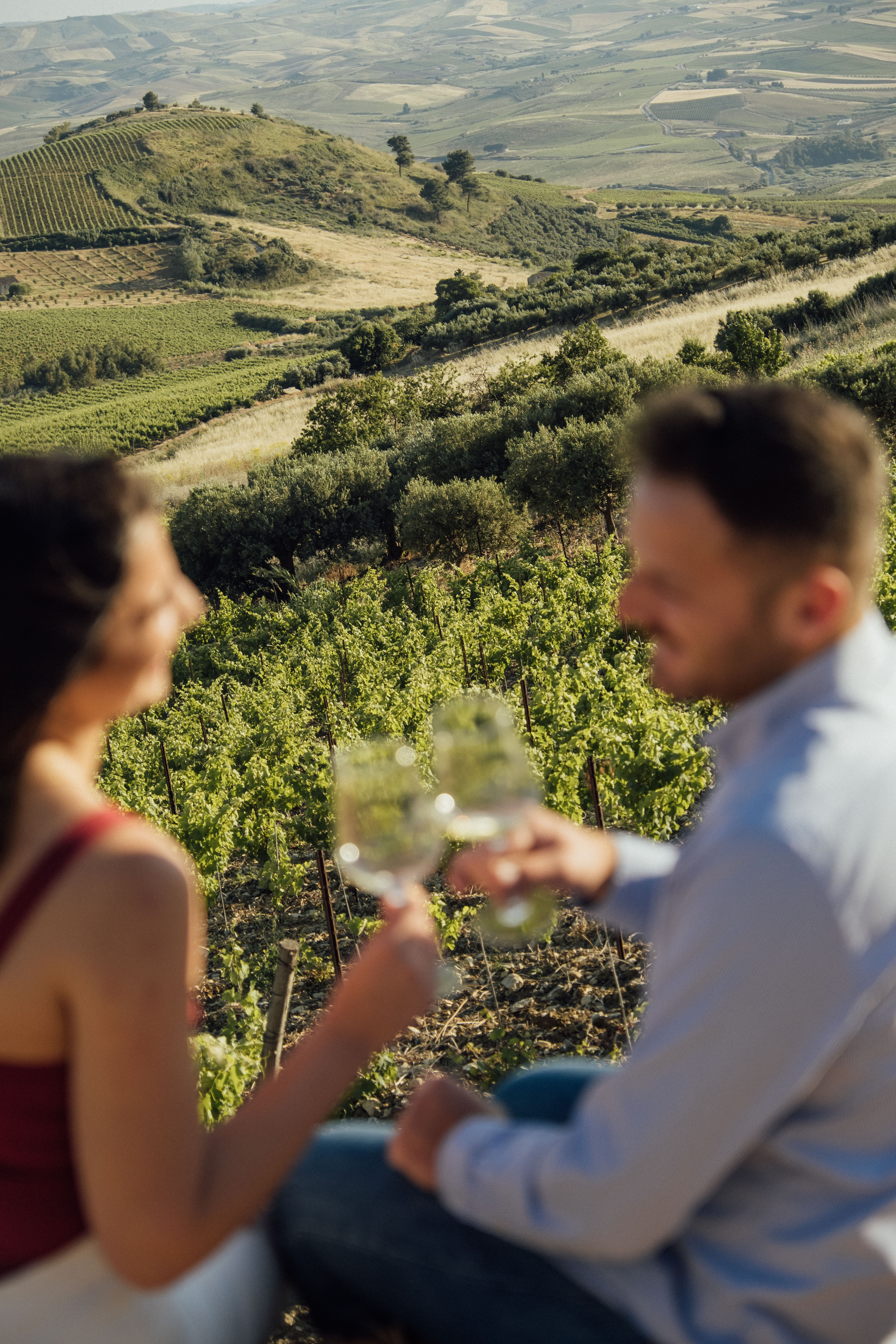
In Italy, the English term has become established alongside international tourism and online booking platforms, and today it is used interchangeably with "degustazione." In common usage, however, wine tasting evokes the winery experience: visiting the vineyards, hearing the producer's story, and enjoying a sequence of glasses. This is the sense in which we use it in this guide.
How to do a wine tasting: the three stages of tasting
Every guided tasting, in Sicily as in the rest of the world, follows three steps that anyone can learn in a few minutes.
The visual examination. Tilt the glass against a light-colored surface and observe the color and clarity: a young white tends to be straw-yellow with greenish highlights, while an aged one leans toward gold; a young red is purple, while a mature one is garnet. The color tells the story of the wine's age, grape variety, and winemaking style.
The olfactory examination. Smell the wine first while still, then after swirling it in the glass—the classic tasting gesture that oxygenates the wine and releases its aromas. Look for families of scents: flowers, fruit, herbs, spices, and mineral notes.
The gustatory examination. Take a sip and hold it for a few seconds, letting it flow over your entire tongue to evaluate sweetness, acidity, salinity, any tannins, and the finish—that is, how long the flavor lingers after swallowing. In tastings with many labels, it is perfectly normal to use a spittoon: it is standard practice for professionals.
None of these stages require experience: a good wine tasting is designed specifically to guide even those starting from scratch. For practical aspects—costs, duration, booking—you can find everything in our guide on how a tasting works in Sicily.
Types of wine tasting
The English-speaking world has codified various tasting formats, and knowing their names helps you choose the right experience.
Guided tasting — the classic guided tasting: a selection of wines presented in sequence by a producer, winemaker, or sommelier. This is the standard format for winery visits.
Vertical tasting — the vertical: the same wine from different vintages, to understand how it evolves over time and how the year affects the result. The format most loved by enthusiasts.
Horizontal tasting — the horizontal: different wines from the same vintage, often from the same region, to compare styles and interpretations.
Blind tasting — the blind tasting: tasting without knowing the label, to judge the wine without prejudice. Fun and educational, it is often the most playful part of a group tasting.
Food & wine pairing — guided food and wine pairing: each glass is served with a bite designed to enhance it. In Sicily, this means pane cunzato, cheeses, fresh olive oil, and caponata.
A small wine tasting glossary
A few terms you will hear often, in both Italian and English. The bouquet is the set of aromas that a wine develops during aging. The tasting notes are the written description of what is perceived. The body indicates the structure and weight of the wine in the mouth; the finish is the persistence, the duration of the flavor after the sip. The terroir is the unrepeatable combination of soil, climate, and human touch that makes a wine a product of its place. And minerality is that savory sensation, reminiscent of stone or sea salt, which is almost always present in Sicily—between volcanic soils and vineyards by the sea.
Why Sicily is perfect for a wine tasting
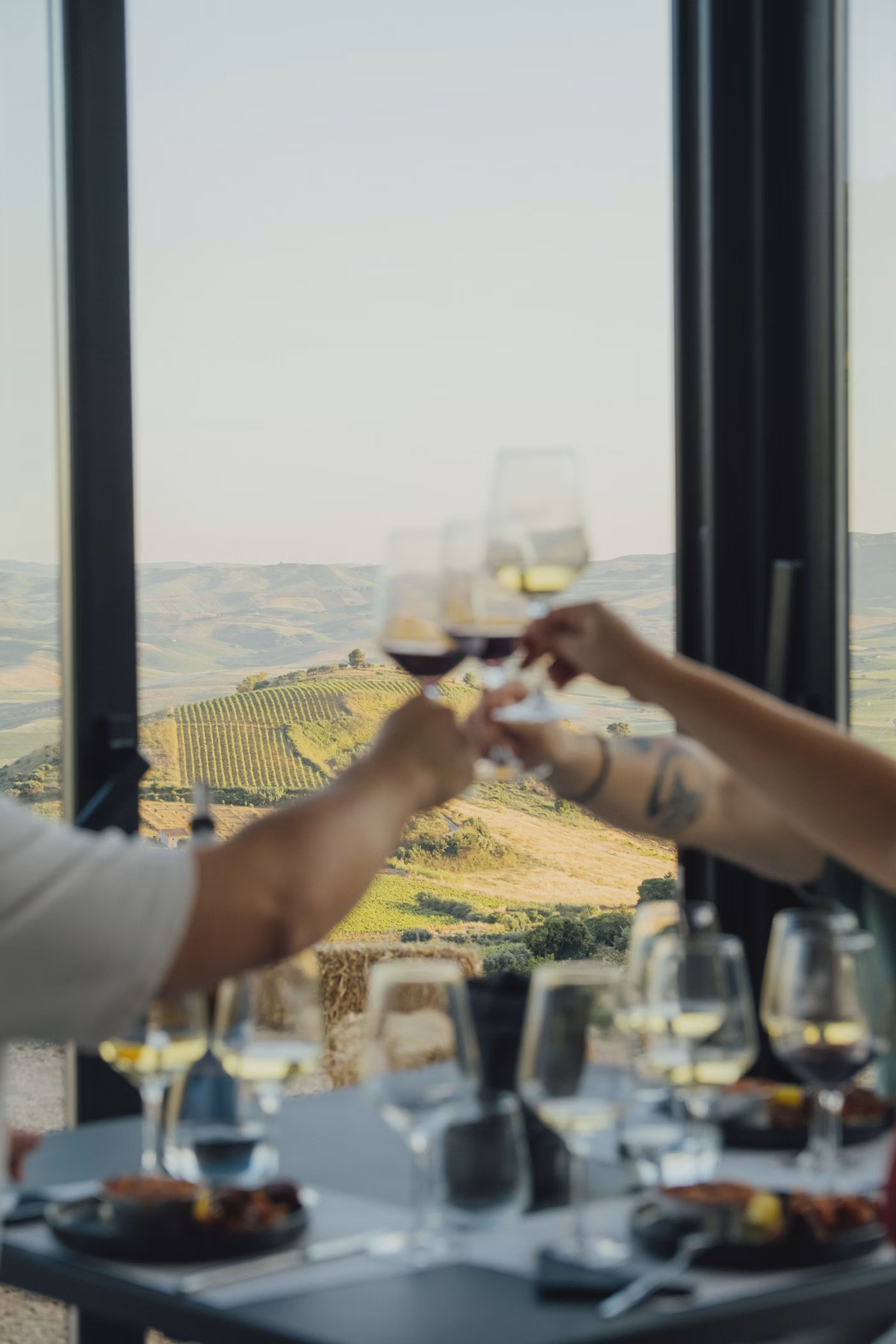
Few regions in the world allow you to taste such diverse wines within just a few hours of each other: the Mediterranean whites of Western Sicily— Catarratto and Grillo above all—the volcanic reds of Mount Etna, Cerasuolo di Vittoria, and the aromatic wines of the islands. Added to this are two practical advantages: the family-run nature of most wineries, where the people who make the wine are often the ones telling its story, and prices that are still accessible compared to other major Italian wine regions. If you want to get your bearings, you can find a complete overview in our guide to wine tasting experiences in Sicily; if you are planning a multi-stop trip, there are wine tour itineraries ranging from 3 to 7 days.
Wine tasting at Tenute Valso, in Alcamo
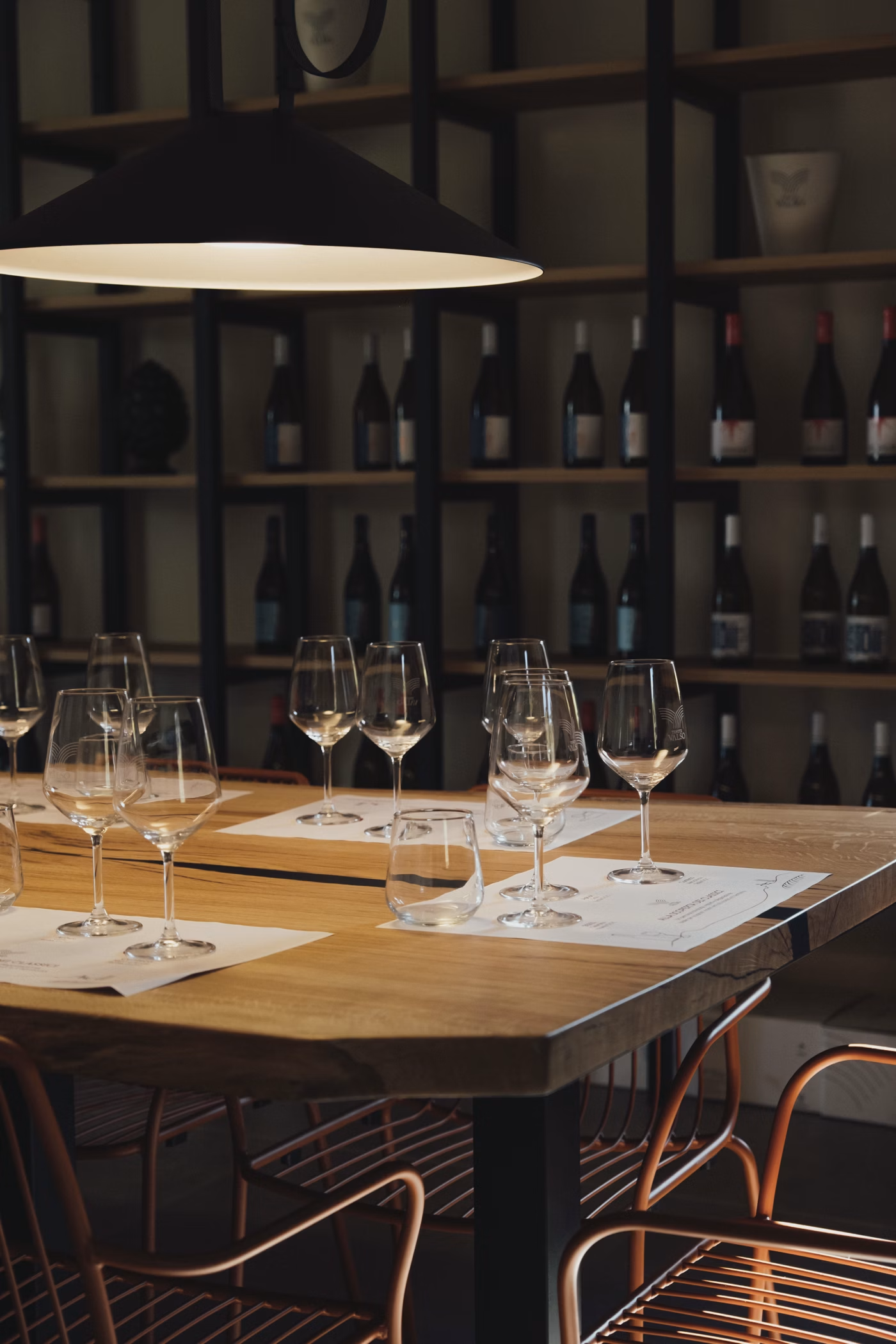
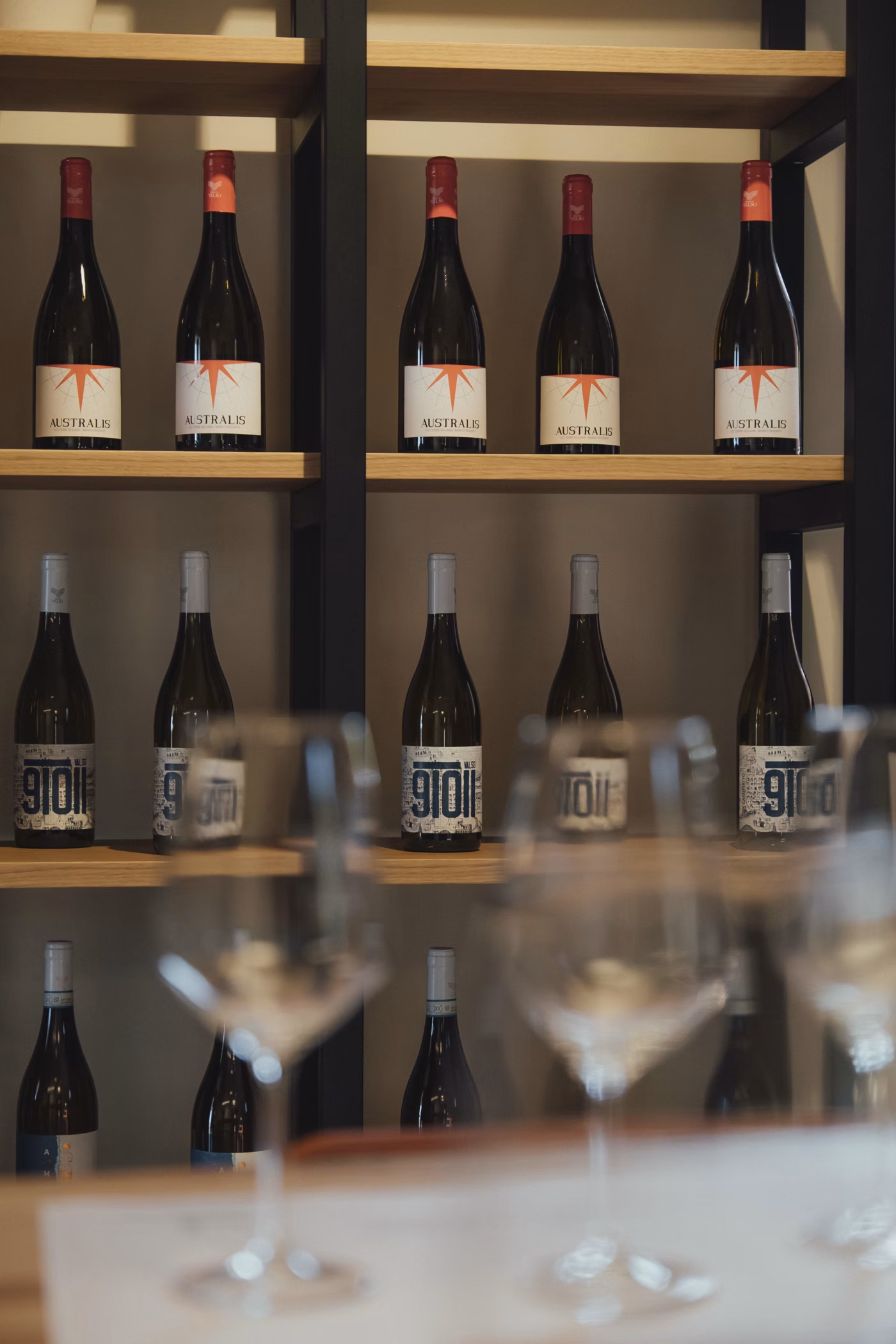
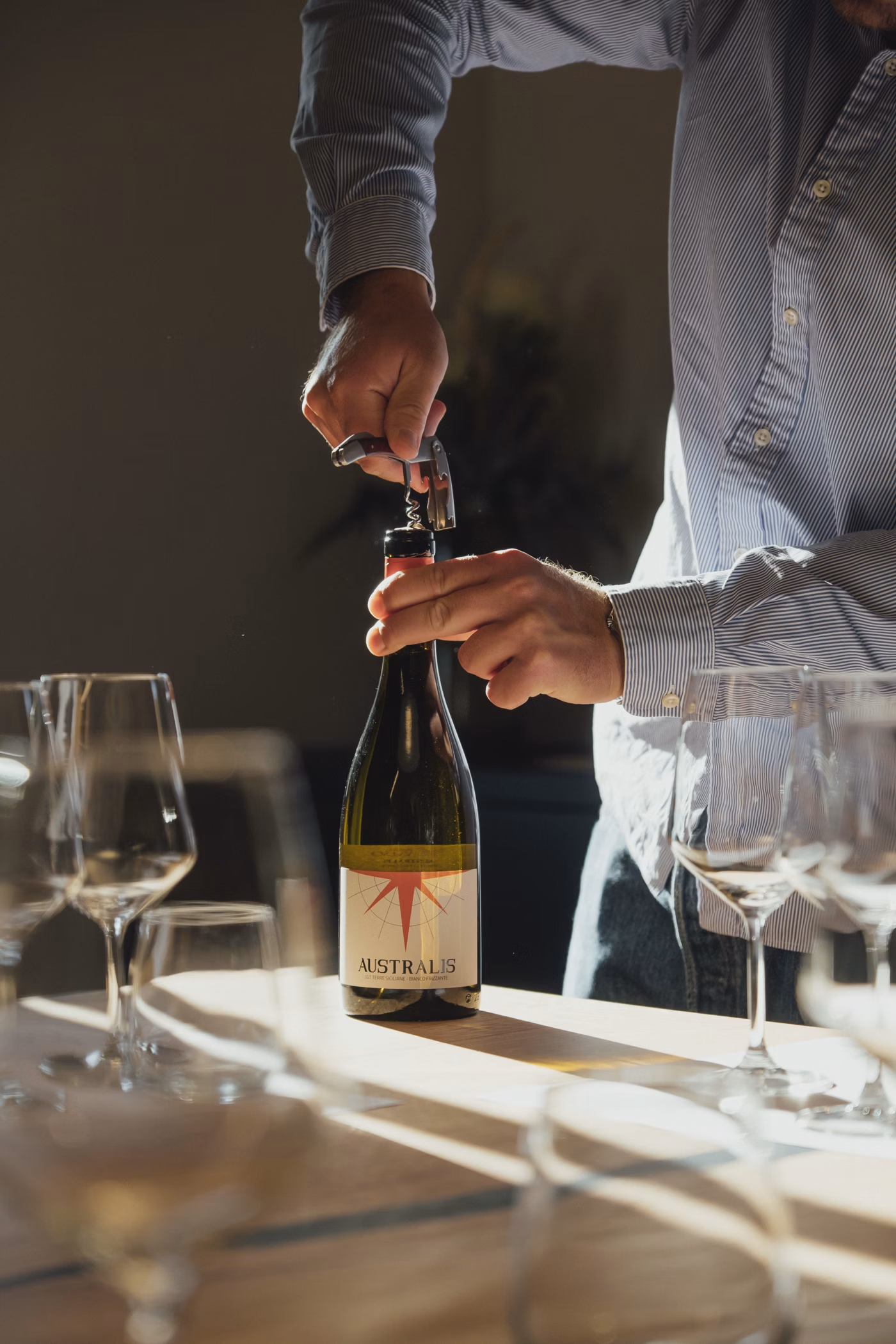
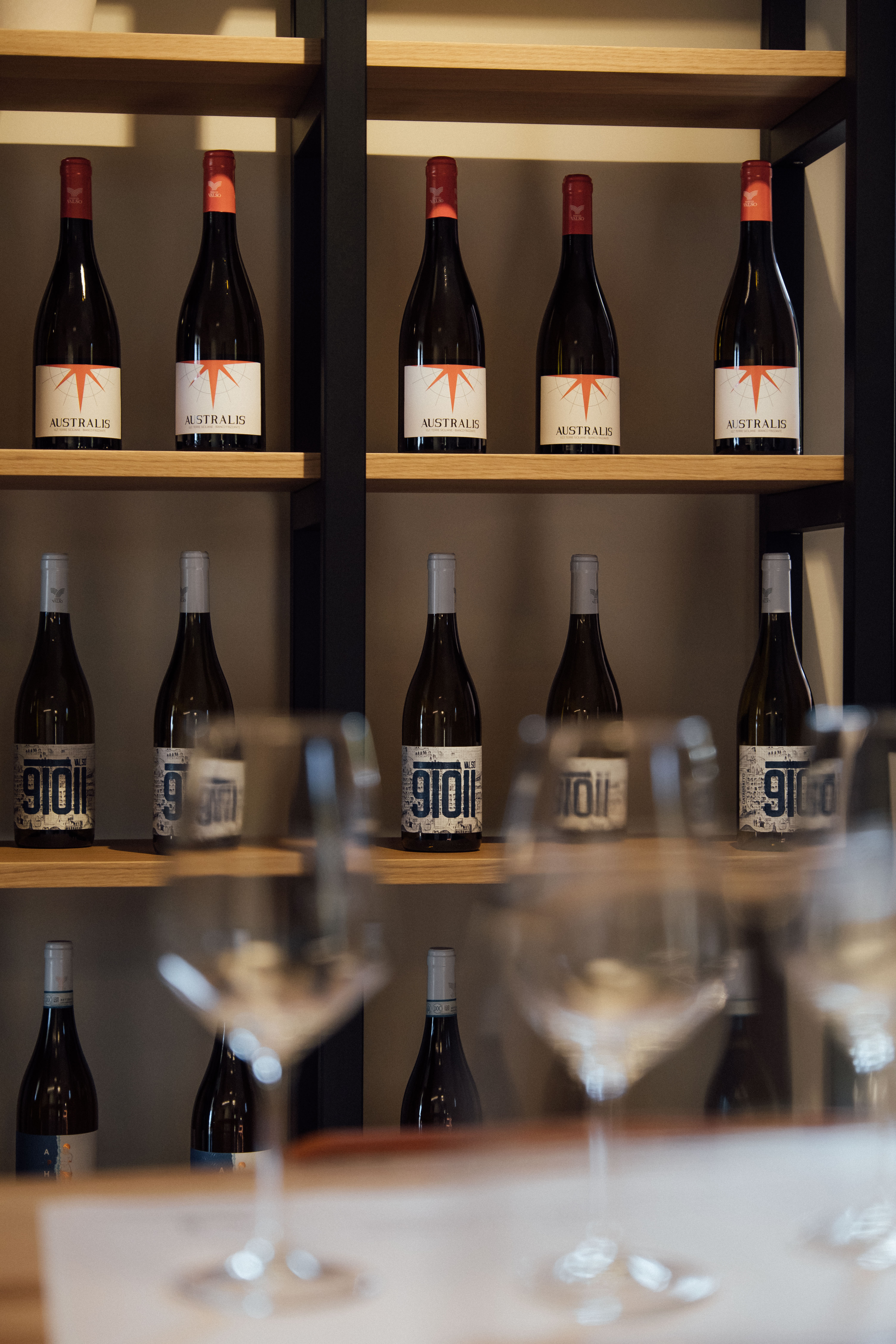
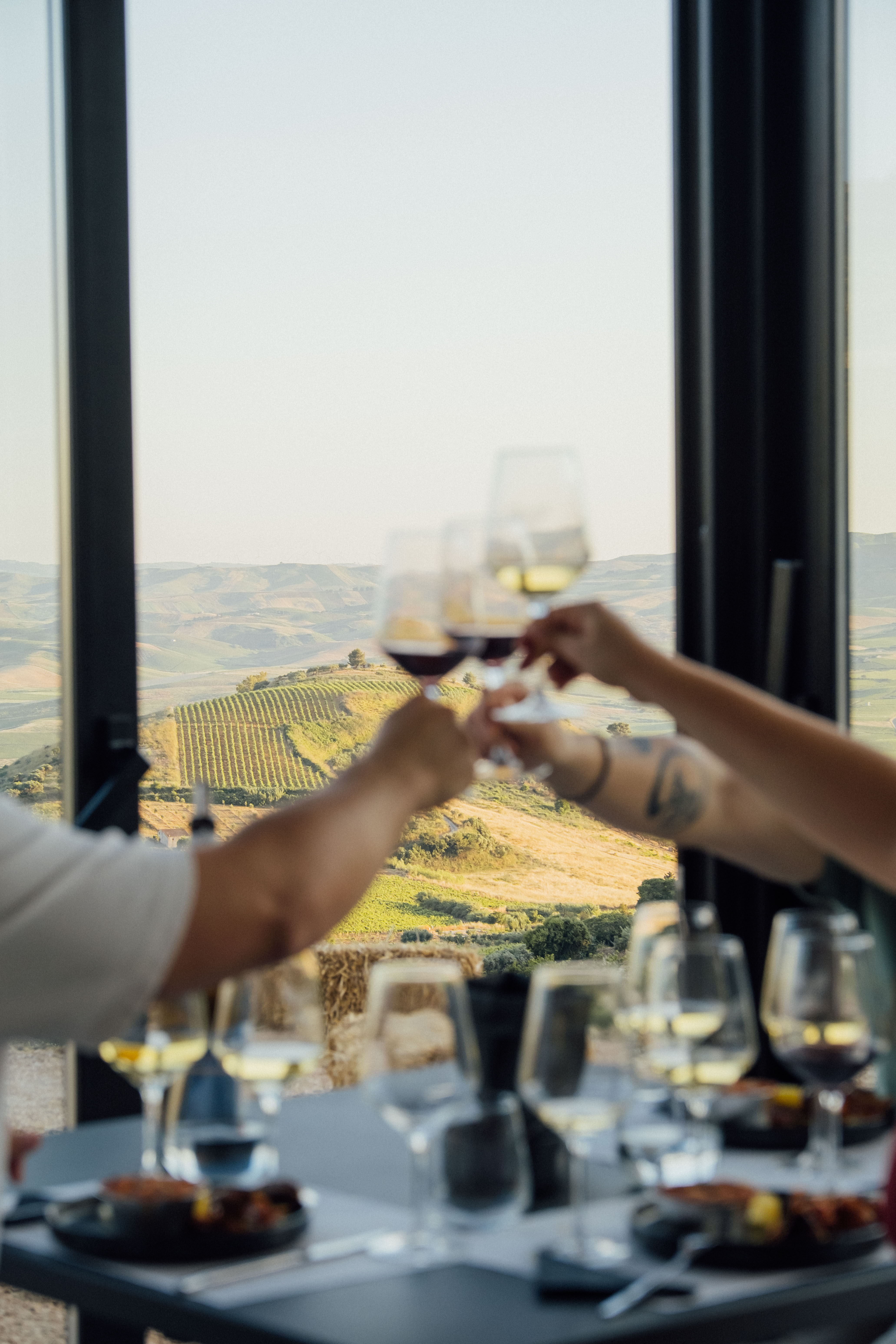
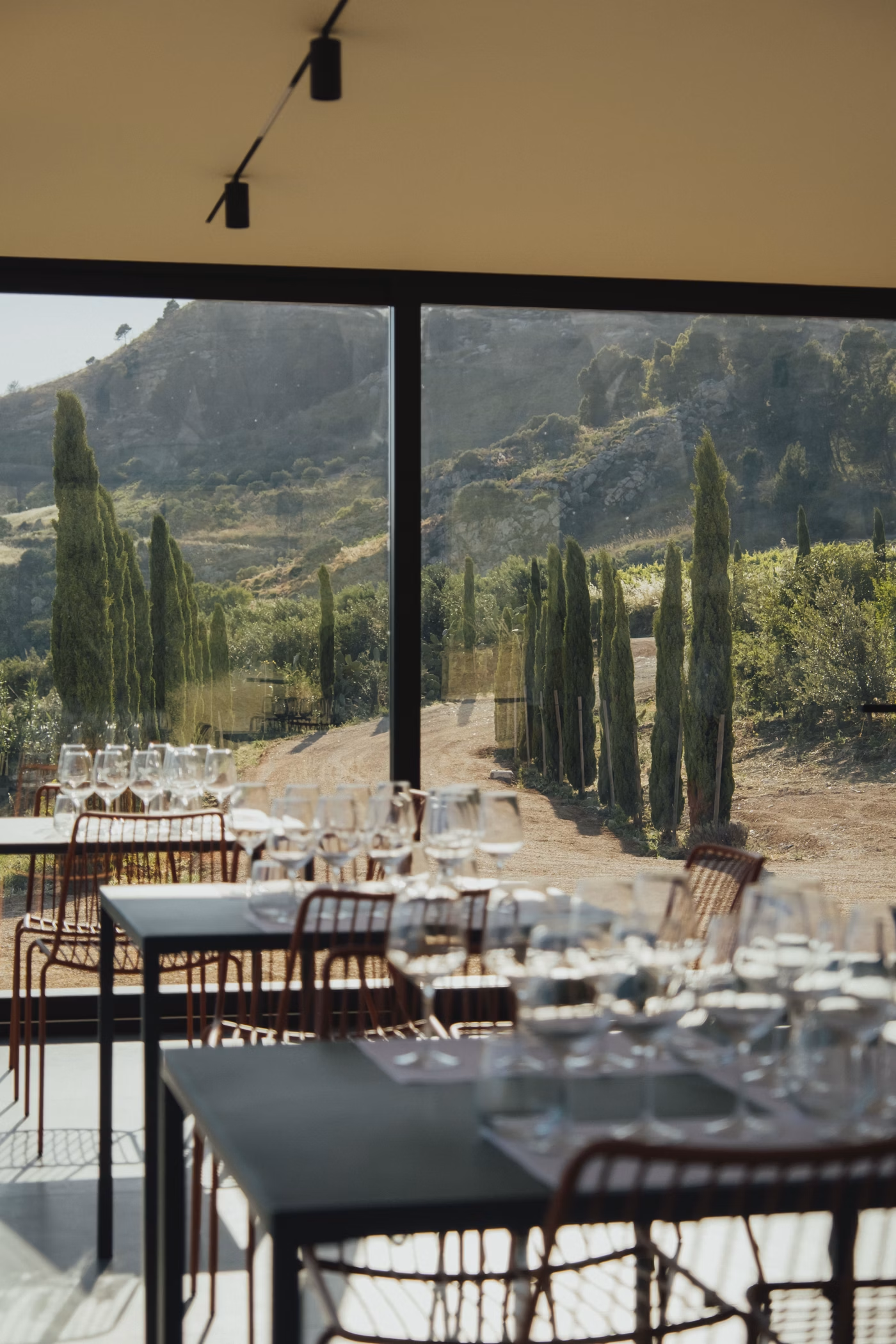
In our tasting rooms between the Valso and San Nicola districts, we host wine tastings in Italian and English for travelers, enthusiasts, and groups. You can choose the classic wine flight, the vertical tasting dedicated to Alcamo DOC and local white wines, or the tour with the winemaker for those who want to dive into the technical side. In the glass, our family wines: Aphor, 91011, Australis and Conteco. You can find formats, dates, and booking information on the visits page of our wine estate.
Frequently asked questions about wine tasting
What is the difference between a wine tasting and a degustazione?There is no real difference: wine tasting is simply the English term for a guided tasting. In common Italian usage, it specifically refers to the winery tourism experience, featuring a tour and a tasting narrated by the producer.
How does a wine tasting work?It consists of three phases for each wine: visual examination (color and clarity), olfactory (the aromas, after swirling the glass), and gustatory (flavors and persistence). Everything is guided by the person leading the tasting, usually covering 3–6 labels.
Do I need experience to participate in a wine tasting?No: guided tastings are designed for beginners as well. The host explains the gestures, terms, and sensations step by step—the only requirement is curiosity.
How much does a wine tasting in Sicily cost?On average, 15–30 euros per person for a classic tasting with a winery tour; more for packages that include food pairings or premium experiences like vertical tastings and private tours.
The English ends with the name
A wine tasting may have an English name, but what happens in the glass speaks Sicilian: grape varieties that exist only here, tuff and volcanic sand soils, and hands that have been harvesting for generations. The best way to learn the vocabulary is an afternoon at the winery—and here in Alcamo, we know exactly where to get you started.