Wineries in Trapani: a guide to the wine regions of Italy's most vine-covered province
When talking about wineries in Trapani, one number is always surprising: this is the province with the most vineyards in all of Italy. Over a third of Sicily's vines grow here, between the inland hills and a coastline facing Africa—more vines than in entire northern regions. This is not a recent achievement: the Trapani area has been making wine since the Phoenicians landed in Mozia, and for two and a half centuries, the name Marsala has been known around the world.
The result is a territory with hundreds of wineries, from historic estates to small family-run businesses like ours. In this guide, we take you through each area, from the producers who cultivate this land: what to drink, where to go, and how to plan your visits.
One territory, five wine identities
The province of Trapani is not a single wine region but a mosaic: soils, altitudes, and sea exposure vary, and so do the wines. The designations reflect this variety—Marsala DOC, Alcamo DOC, Erice DOC, Pantelleria DOC, and the lesser-known Salaparuta and Delia Nivolelli—while the grape varieties do the rest: Catarratto and Grillo dominate the whites, Zibibbo reigns on the island of Pantelleria, and Nero d'Avola and Perricone define the reds.
Winery regions in the Trapani area
Alcamo and the DOC hills
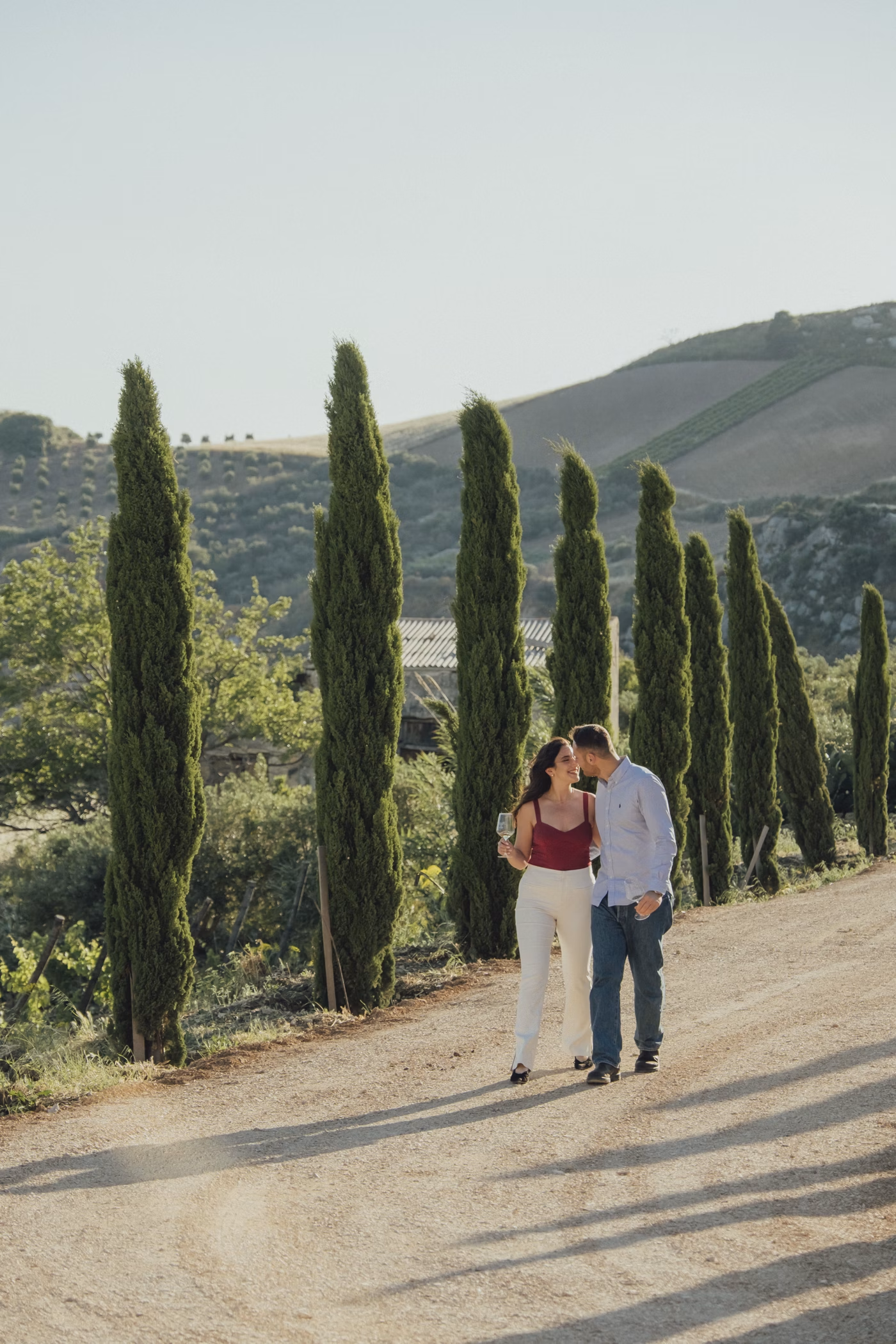
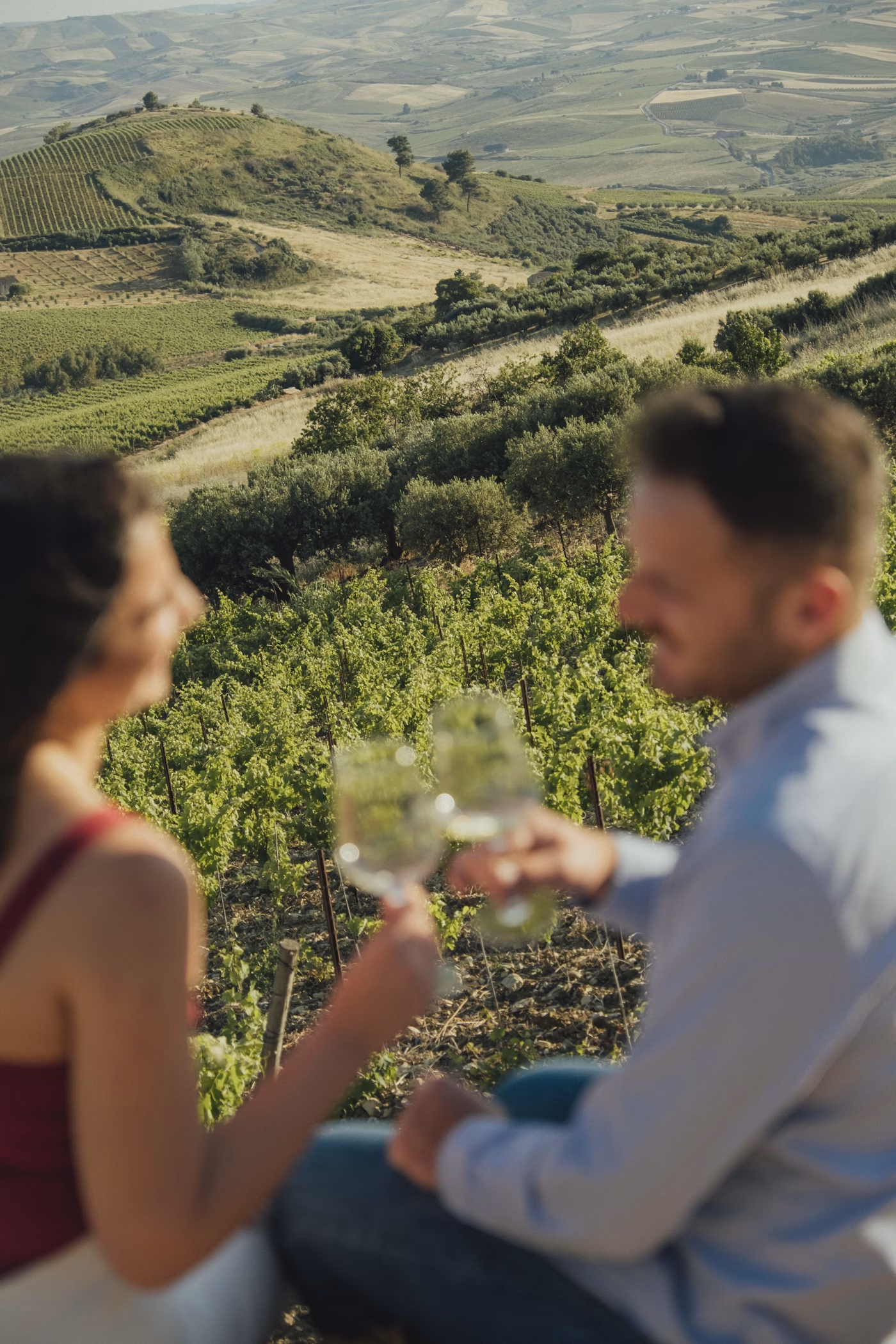
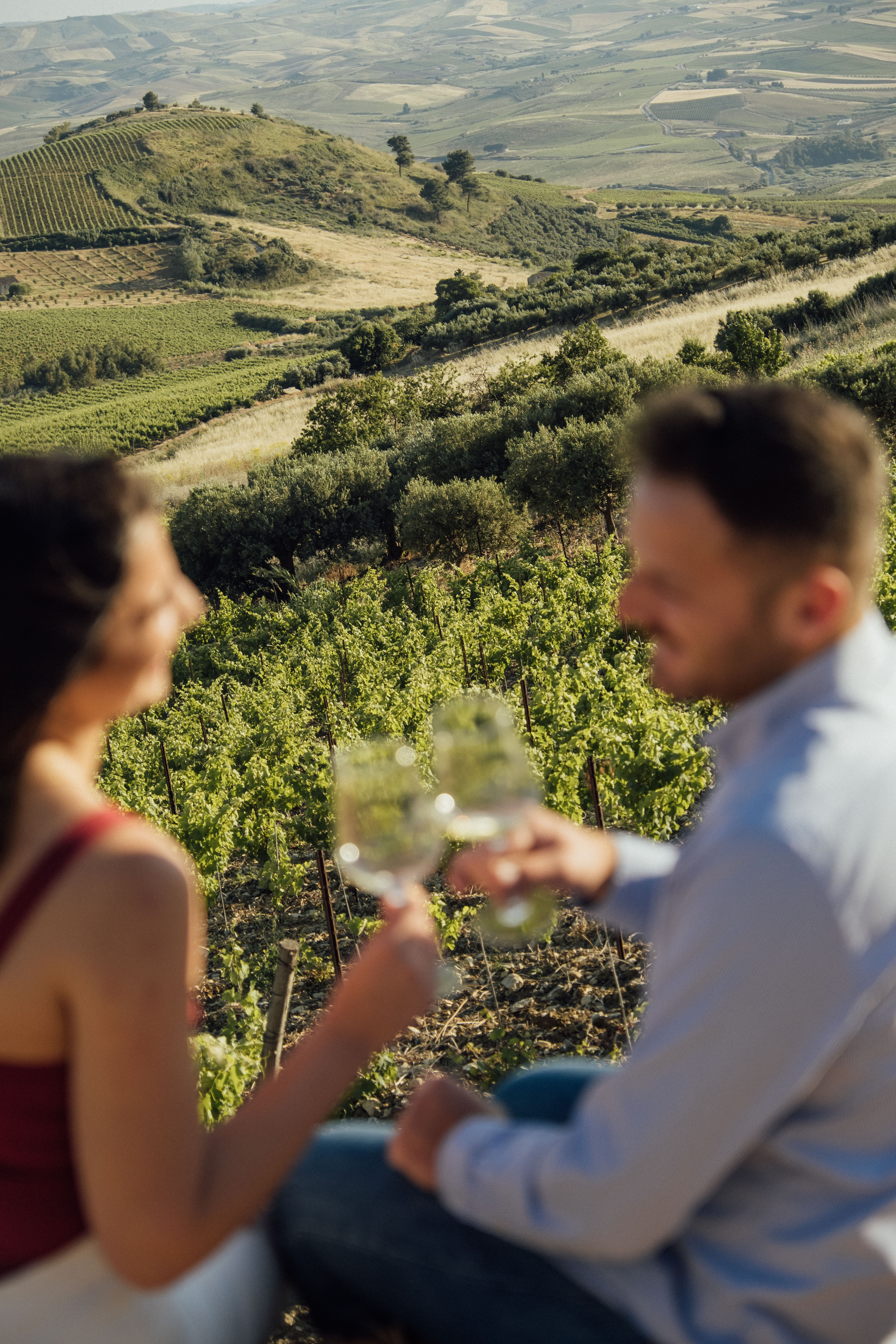
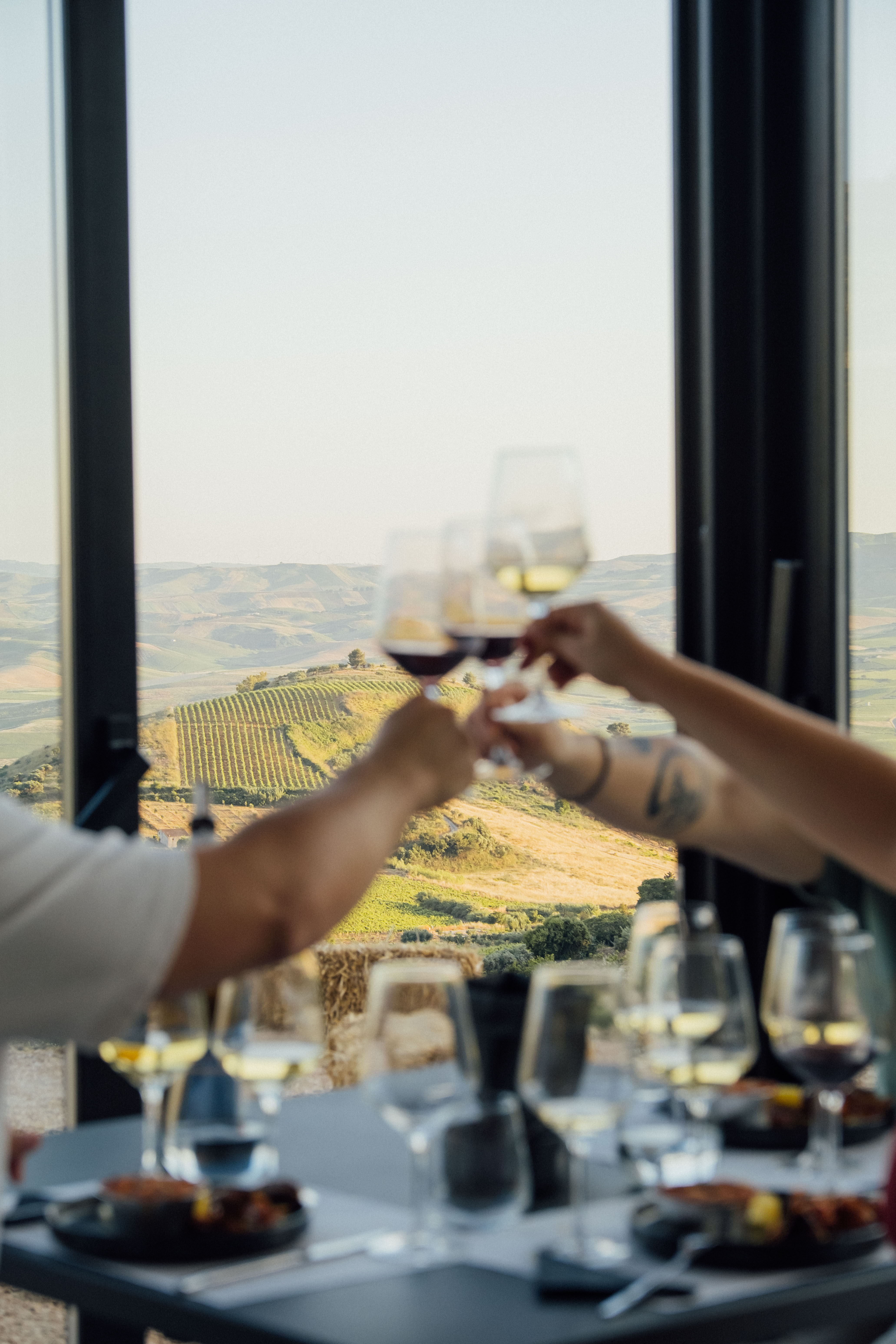
At the eastern edge of the province, the hills of Alcamo are the historic home of Sicilian white wine: one of the island's first DOCs was established here in 1972, centered around Catarratto. The wineries are spread across hillside vineyards overlooking the Gulf of Castellammare, 45 minutes from Palermo: it is the ideal area for those looking for white wine tastings— Catarratto and Grillo above all—at family-run estates, often with the producers themselves telling the story of their wines. This is our home area: the wineries of Alcamo and the DOC districts deserve a page of their own.
Marsala and the coastal strip
Marsala is the name that made Trapani wine famous worldwide. The city's historic estates house the 19th-century bagli and cellars where Marsala DOC barrels rest: visiting them means walking through two centuries of winemaking history. But the area is not just about fortified wine: the strip between Marsala, Petrosino, and Mazara is now a major hub for Grillo, the grape variety that originated right here. Best paired with a sunset at the salt pans and windmills near Mozia.
Erice and the high-altitude vineyards
Behind Trapani, the Erice DOC encompasses the province's highest vineyards, between 250 and 500 meters on the mountain slopes. The temperature range produces crisp, aromatic whites and elegant reds; the medieval village of Erice, at the summit, is worth the trip alone.
The hinterland: Salemi and the Belice Valley
The agricultural heart of the province, between Salemi, Vita, and Calatafimi-Segesta: hills of vineyards as far as the eye can see, and the great tradition of cooperative wineries that shaped the history of Sicilian bulk wine and are now reinventing themselves through quality. It is the least touristy and most authentic area, with the temple of Segesta as a dramatic backdrop.
Pantelleria, the heroic vineyard
Administratively part of the province of Trapani, but oenologically a world of its own: on this island of wind, Zibibbo grapes are grown as low-lying bush vines in hollows dug into the black earth—an agricultural practice so unique it is a UNESCO World Heritage site. Pantelleria's wineries produce Italy's most famous Passito and aromatic dry whites that taste of the sea and sage.
How to choose a winery
In the Trapani area, three types of wineries coexist, and the visitor experience varies significantly. The historic Marsala houses offer structured museum tours, featuring monumental barrel rooms and period halls: perfect for understanding the history. The inland cooperatives showcase the social dimension of Sicilian wine, with impressive scale and facilities. Finally, family-run wineries are where the story and the wine share the same surname: small groups, the producer opening their home, and the entire process from vineyard to bottle. These are three different ways to interpret the same territory—and you can combine all of them in a single week.
How to organize your visits
The golden rules of any wine tour apply: always book in advance (Trapani wineries receive visitors by appointment, especially the family-run ones), limit yourself to no more than two visits per day, and have a designated driver if everyone is tasting. A classic tasting lasts 90–120 minutes and costs an average of 15–30 euros per person; for details on formats and prices, see our guide on how a tasting works. If you are planning a complete trip, our 3-day itinerary in Western Sicily covers this exact area, with real stops and travel times.
The best time to visit is from April to October, with the harvest—between late August and September—being the most vibrant time of year in the vineyards.
Our winery in Alcamo
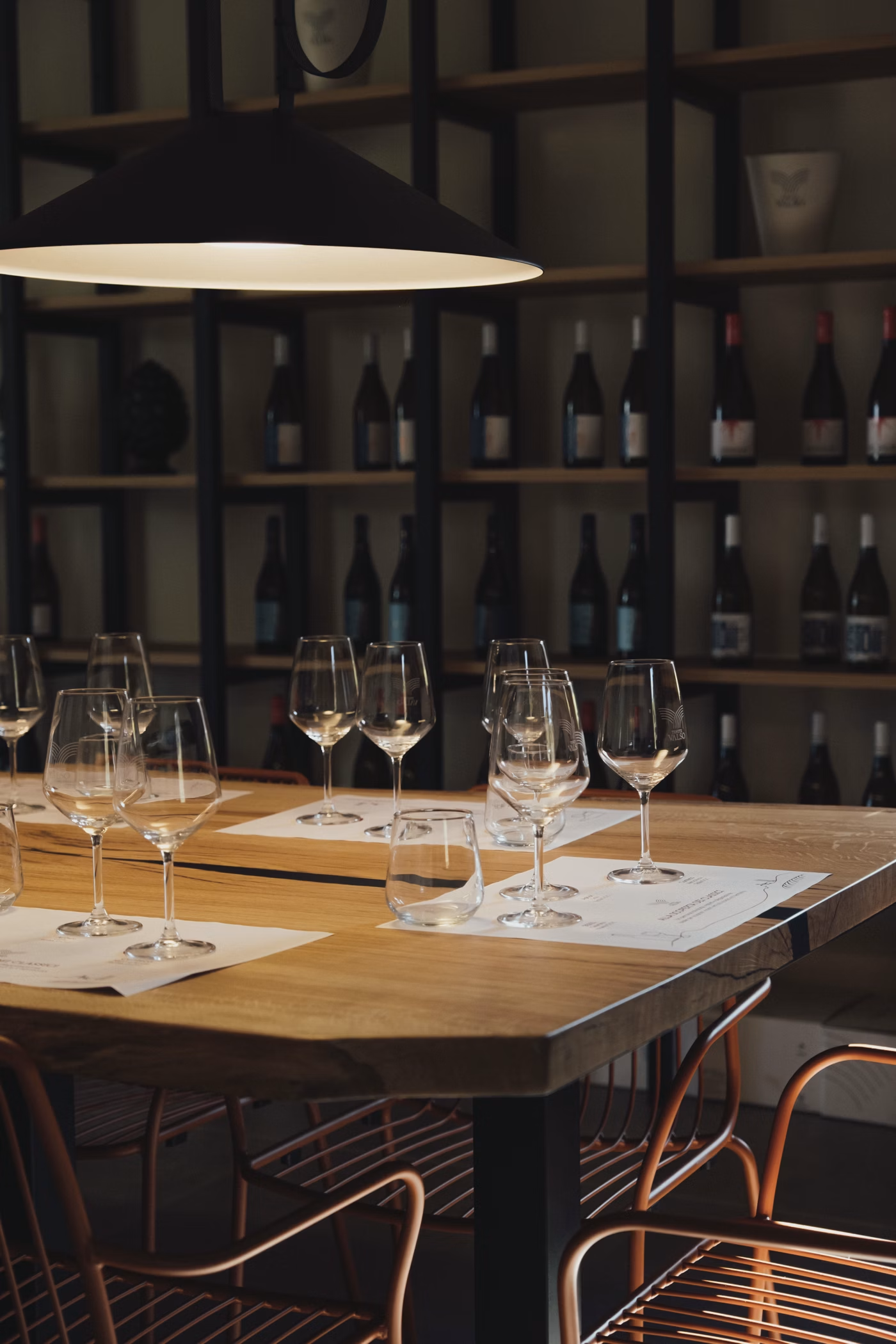
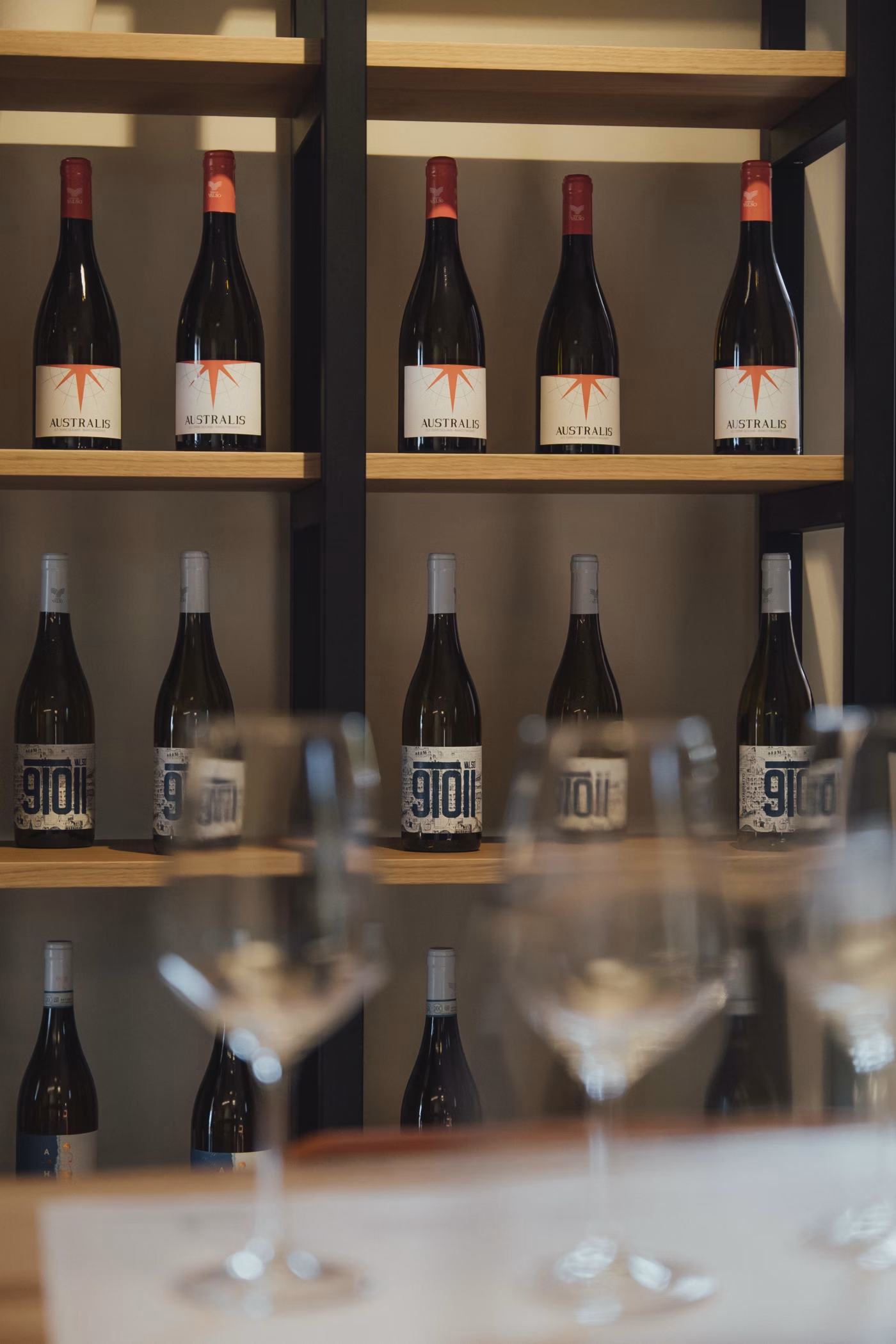
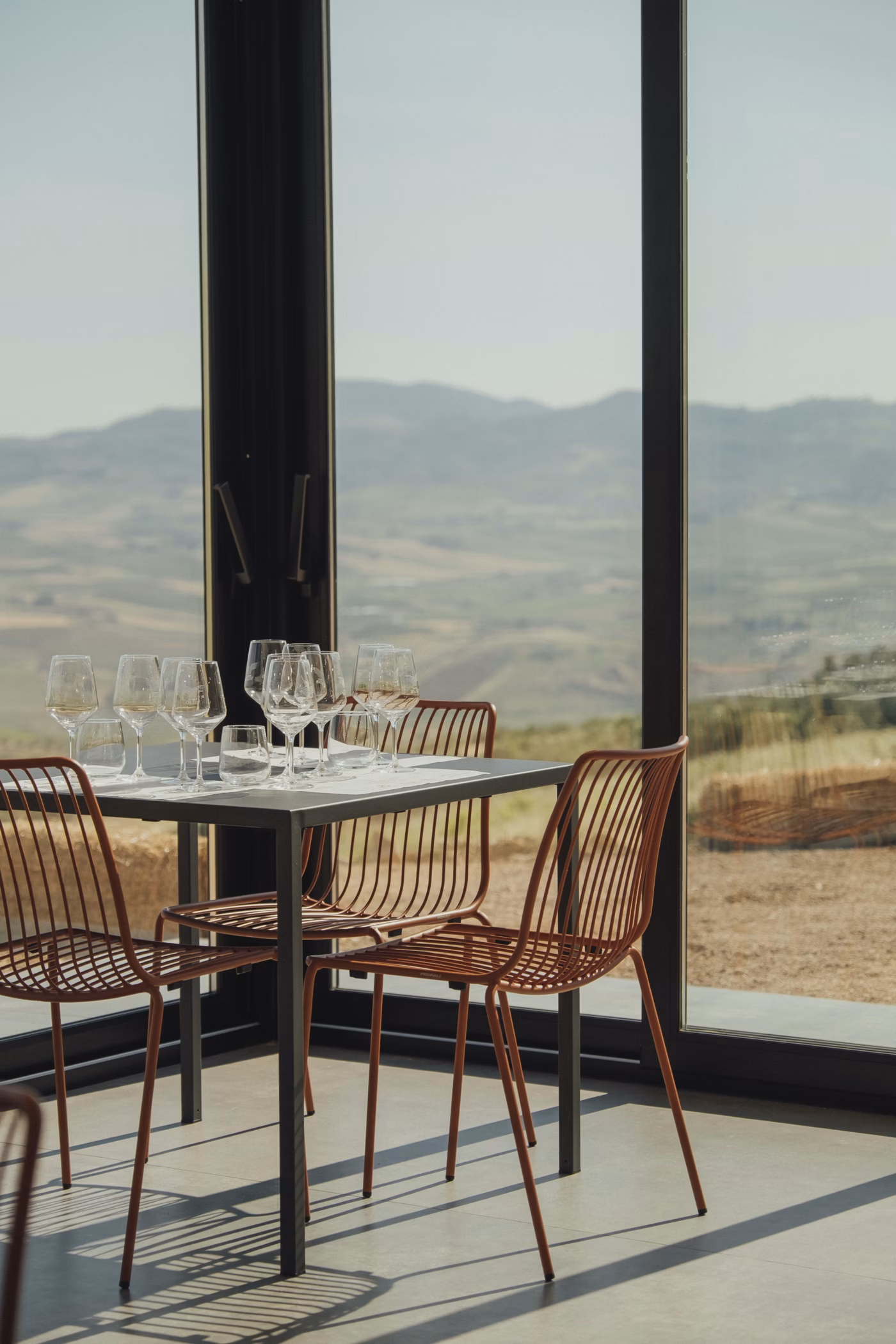
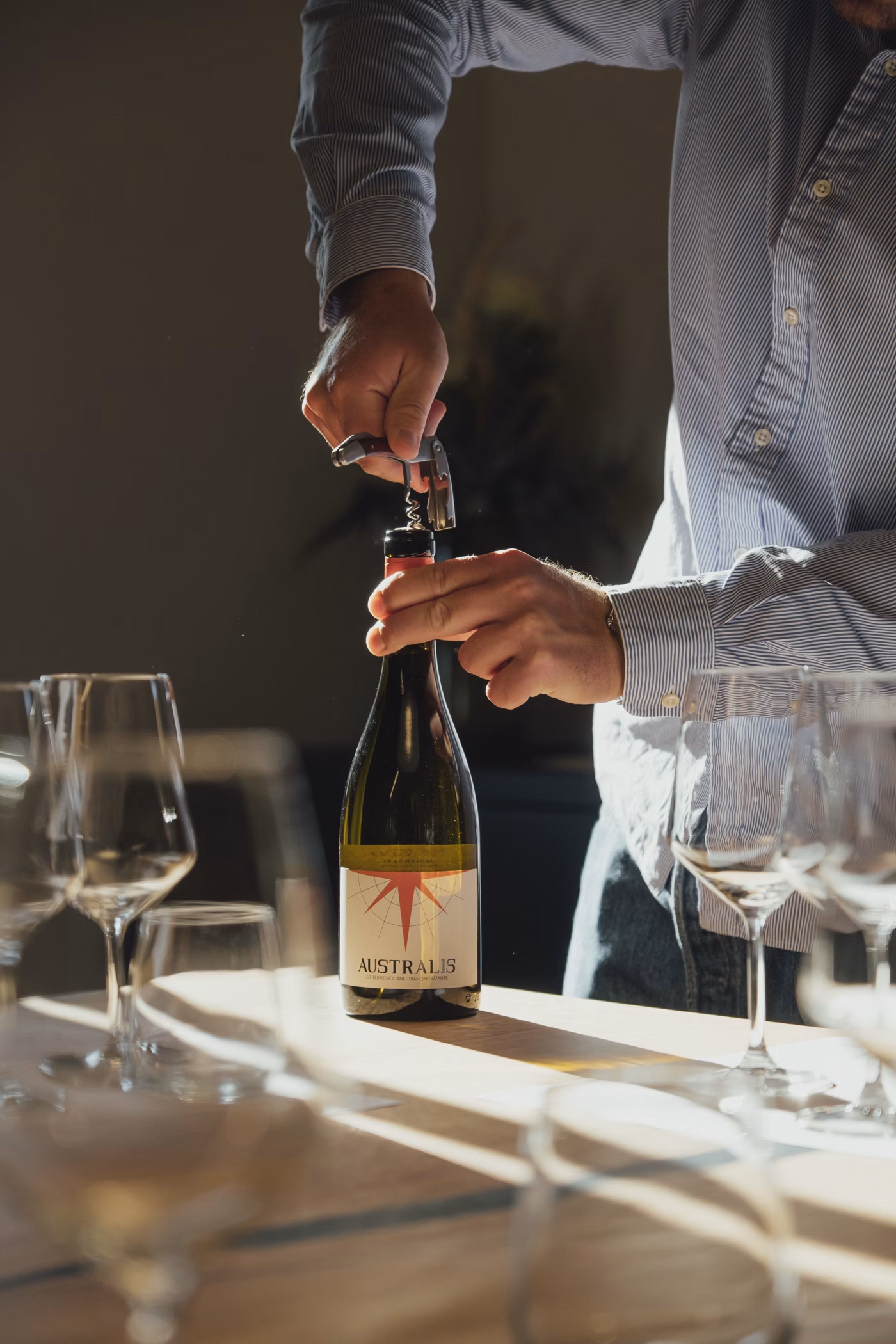
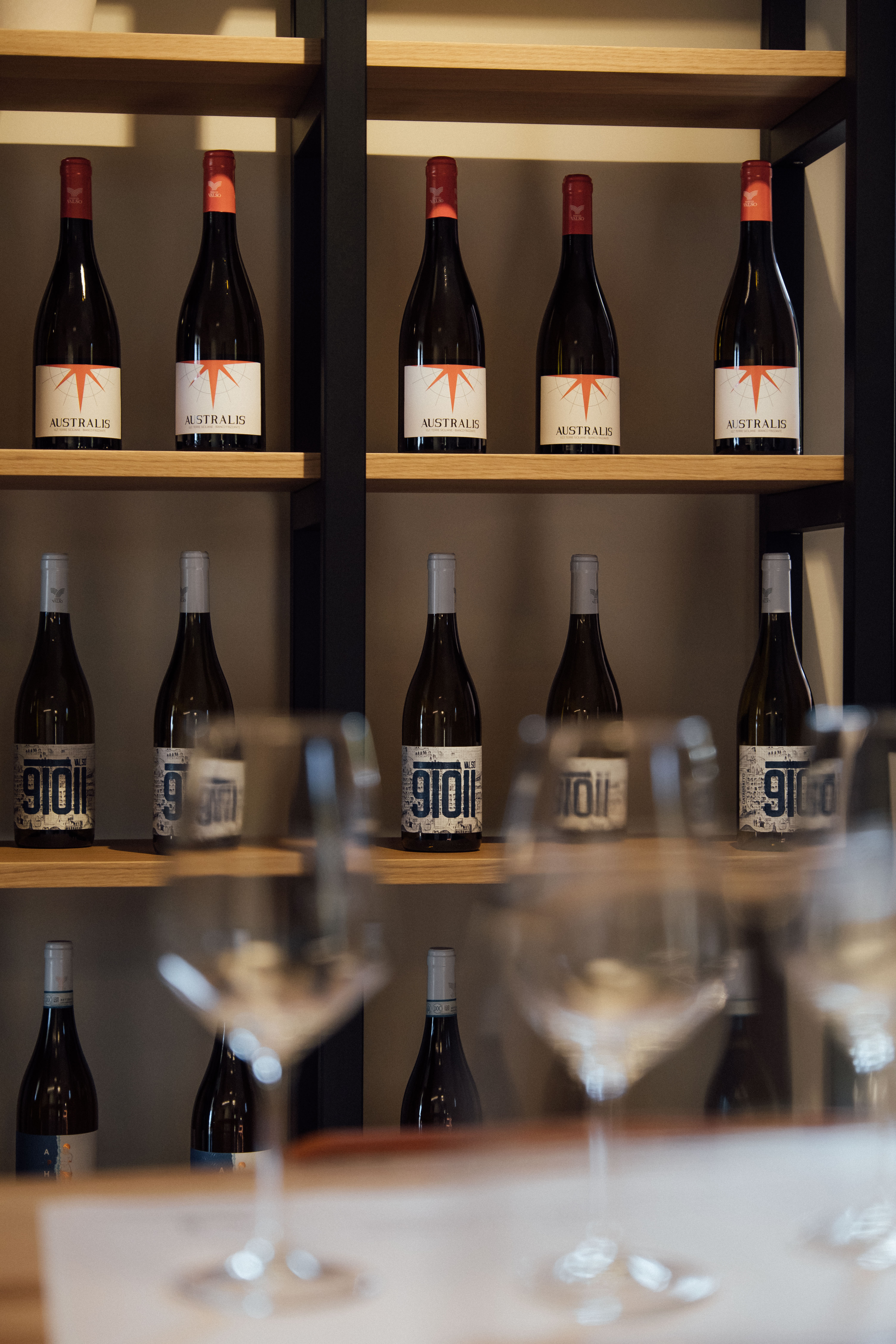
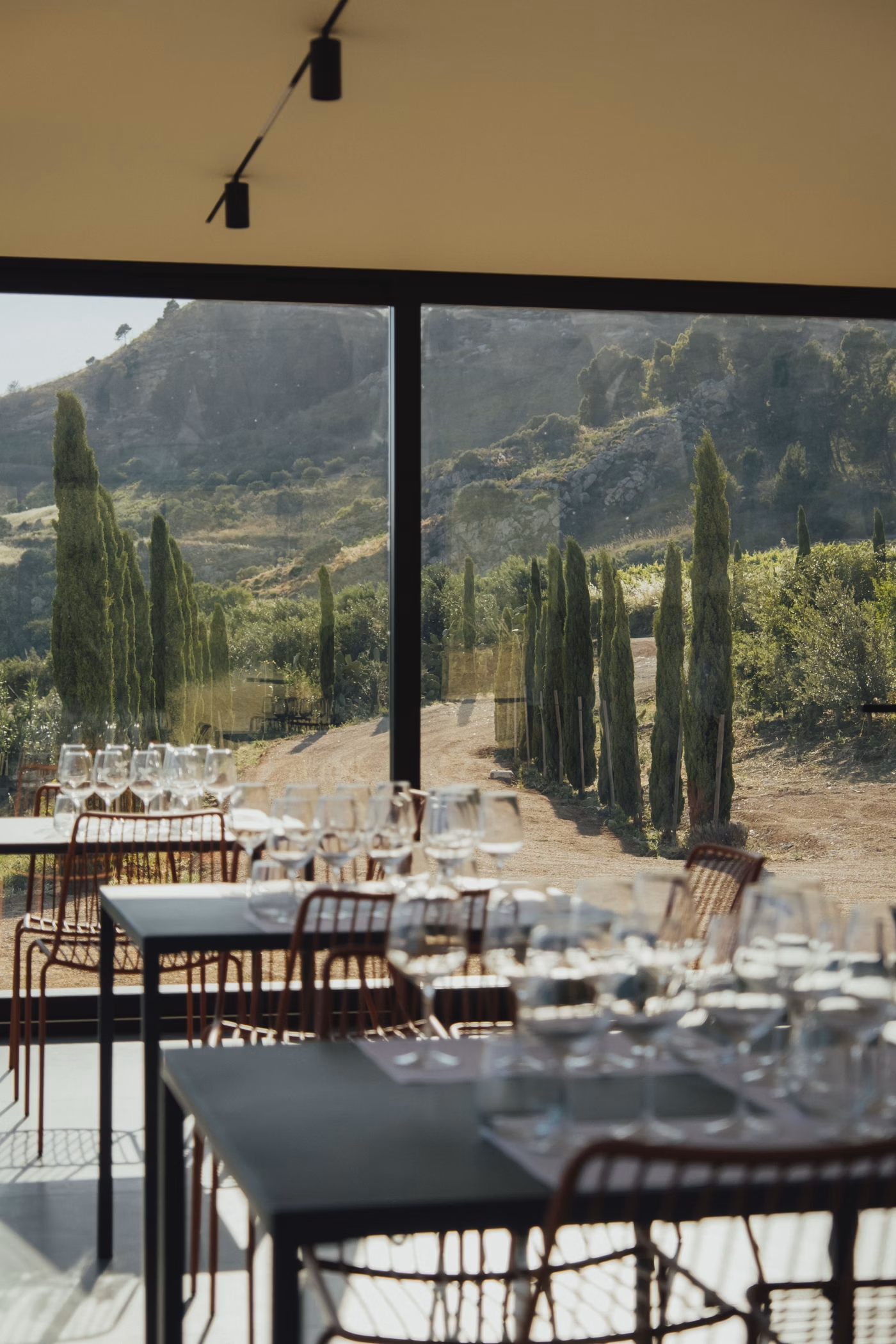
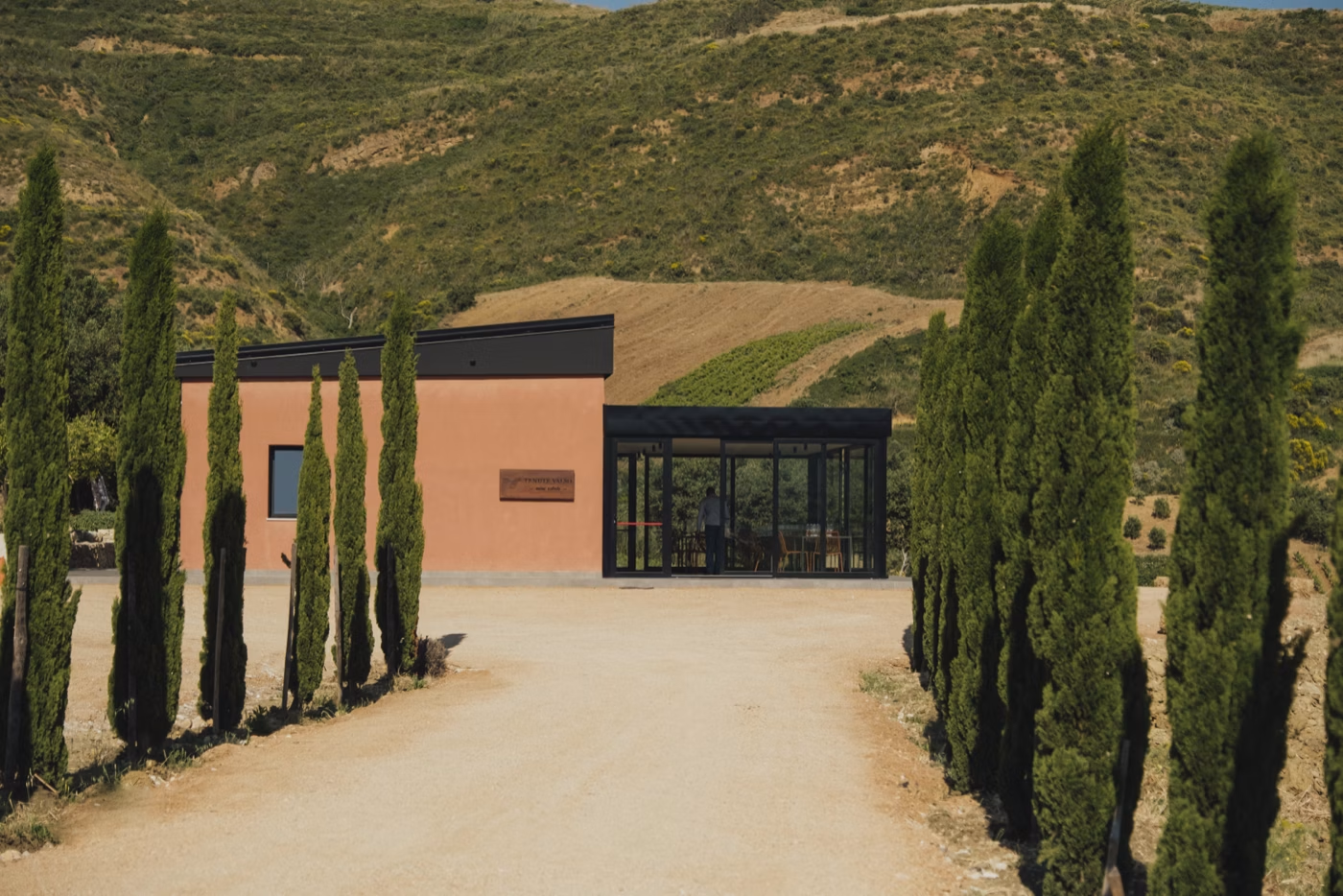
Tenute Valso is one of the family-run wineries in the Alcamo area: vineyards in the Valso and San Nicola districts, on the hills of the DOC, and a production ranging from pure Catarratto to Grillo, and from sparkling wines to Nero d'Avola. We receive visitors by appointment for tastings in Italian and English—from the classic wine experience to the winemaker's tour — and we are located 45 minutes from Palermo and half an hour from Trapani: the natural first stop for those entering the province from the east. Experiences and availability can be found on our winery visitspage.
Frequently asked questions about Trapani wineries
How many wineries are there in the province of Trapani?Several hundred, including historic estates, cooperatives, and family-run businesses; it is the most vine-covered province in Italy, accounting for over a third of all Sicilian vineyards. Dozens of wineries are open for tours and tastings, spread across every area.
What is the best area to visit wineries in the Trapani region?It depends on what you are looking for: Alcamo for whites and family-run wineries, Marsala for historic estates and fortified wines, Erice for high-altitude vineyards, and Pantelleria for Zibibbo. With a base between Trapani and Castellammare, you can reach everything in a day trip, excluding the island.
Can you visit the wineries without a reservation?Almost never: visits by appointment are the standard, ensuring a well-prepared welcome. Just book a few days in advance, or one to two weeks during peak season.
What wines are produced in Trapani?Whites from Catarratto, Grillo, and Inzolia (the Alcamo and Erice DOCs), Marsala DOC, reds from Nero d'Avola and Perricone, and in Pantelleria, Zibibbo, both dry and passito. The province produces more wine than any other in Italy.
Here, wine is the landscape
In the Trapani region, you don't need to look for the vineyards: they are everywhere, from Segesta to the salt pans, from the terraces of Erice to the black soil of Pantelleria. Choosing a winery is just the entry point—then the territory does the rest. And if you are arriving from the hills of Alcamo, you already know who is opening the door for you.