Catarratto, Sicily's white wine: a guide to the island's most widely grown grape variety
If Grillo is the star of Sicilian white wine, Catarratto is its backbone. No other white grape covers more hectares in Sicily, and few in the world can tell a story like this: three centuries as a silent workhorse — first as the engine of Marsala, then of bulk wine — and now a second life as a protagonist, sought after by those who vinify it in pure stainless steel and those who make it a flagship for orange wines.
For us, it is not just another grape: it is our home grape, the soul of our denomination and our 91011. In this glossary entry, we tell its full story, from its 17th-century origins to the glass.
What is Catarratto
Catarratto is an indigenous Sicilian white grape, grown primarily in the western part of the island, where it has always been the most planted white variety. Its name almost certainly comes from its abundance: a "cataract" of grapes, as generous as a waterfall — because Catarratto has never needed to be asked to produce. Today, you will mainly find it on labels in two forms: as the base of the Alcamo DOC, which requires at least 60%, and as a varietal under the Sicilia DOC.
A history spanning more than three centuries
Catarratto has a precise documented birth date: 1696, when the botanist Francesco Cupani described it in his Hortus Catholicus, the great census of Sicilian plants. Since then, it has never stopped working: for two centuries, it was one of the pillars of Marsala, then the fuel for the bulk wine era, when its grapes filled tankers headed north. During those decades of anonymous glory, it became, in terms of acreage, one of the top white grape varieties in Italy.
Then history took a turn: fewer hectares, more ambition. The new generation of producers realized that this tireless workhorse, when treated with low yields and careful hands, had the makings of a soloist. And there is a family detail worth remembering: crossed with Zibibbo, Catarratto gave birth to Grillo — which makes it, quite literally, the father of today's most famous Sicilian white.
The two biotypes: Comune and Lucido
When we talk about Catarratto, we are actually talking about a small family. The two main biotypes are Catarratto Bianco Comune and the Catarratto Bianco Lucido: they can be distinguished by the naked eye by their bloom, the waxy coating on the grapes—abundant in the Comune variety, almost absent in the Lucido, which is why it appears "lucido" (shiny) and brilliant. In the vineyard and the cellar, Lucido, along with the Extralucido selection, is now the most sought-after for its aromatic finesse and acidity. Finally, genetic studies have confirmed what the palate suspected: Catarratto belongs to the same family as Garganega, making it a relative of half of Italy's white wine varieties.
In the glass
Young Catarratto is straw-yellow with greenish highlights; on the nose, it brings orange blossom, citrus, white apple, and Mediterranean herbs, with a hint of almond in the background. On the palate, its signature arrives: decisive freshness, an almost marine salinity, and that slightly bitter finish—bitter almond, again—that makes it recognizable among thousands and irresistibly food-friendly.
Around this profile, three styles coexist. The Stainless steel Catarratto focuses entirely on tension and clarity: it is the most widespread style and the gateway to Sicilian whites. The structuredversions, aged on the lees or in wood, gain breadth and longevity. And then there is the recent phenomenon: Catarratto has become one of the cult grape varieties of the natural wine scene, which uses skin maceration to create orange wines with character—its thick skin and aromatic profile make it perfect for the genre. Not to mention its fourth role: its acidity makes it an excellent base for Sicilian sparkling wines.
Where it grows best
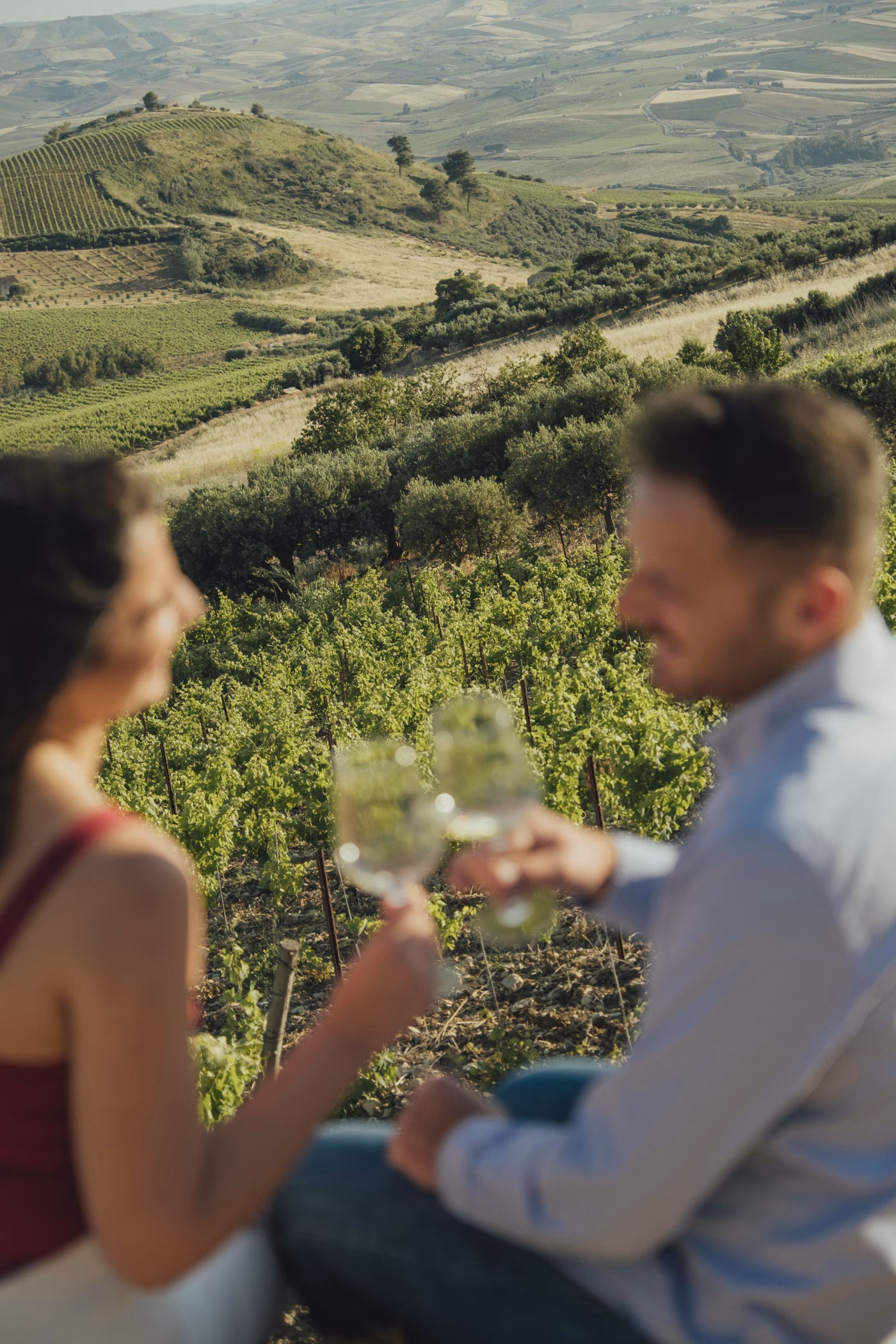
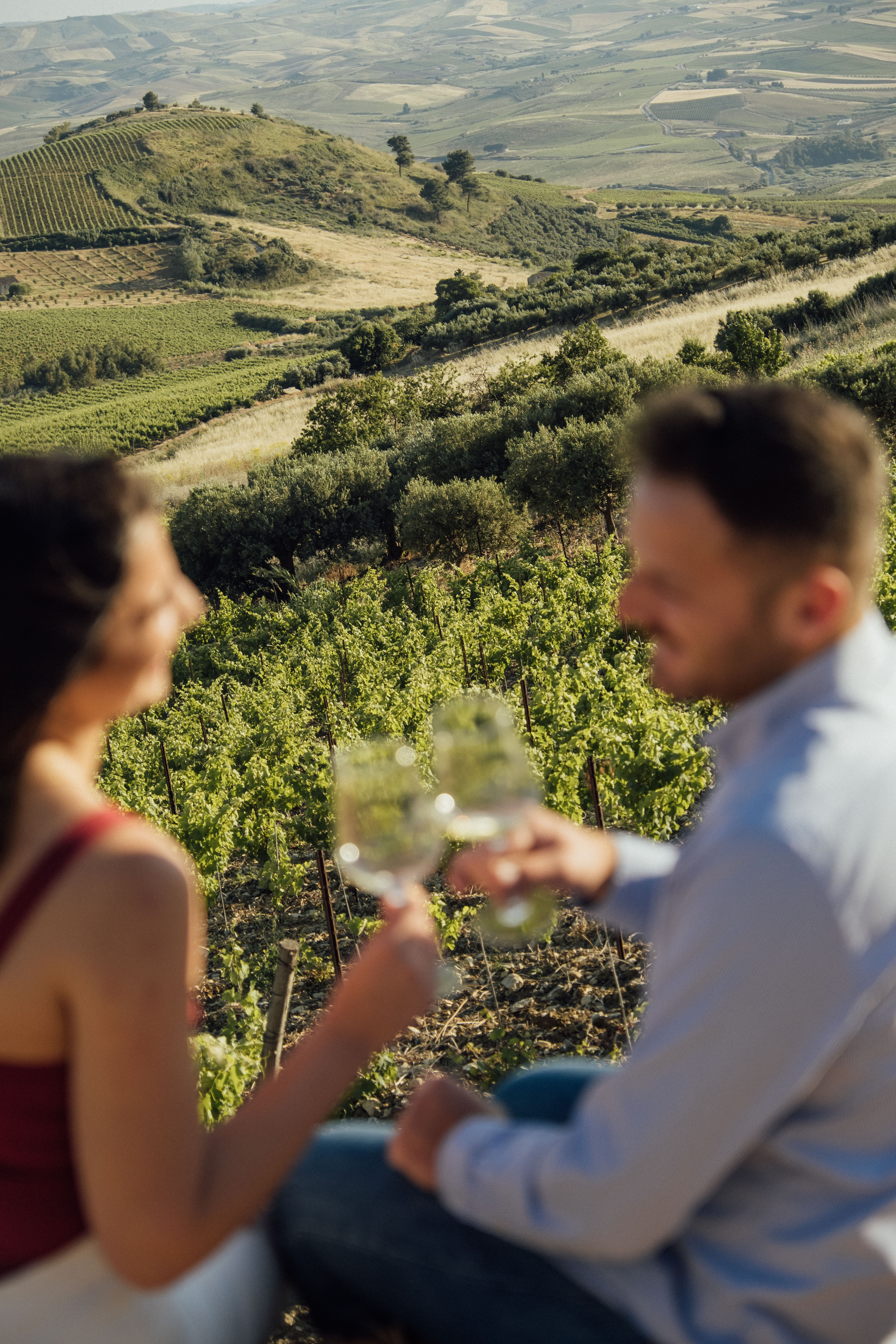
The homeland of Catarratto is the hills of western Sicily, and its heart beats in the Alcamo area: the breezy, limestone slopes between 200 and 400 meters overlooking the Gulf of Castellammare, where the vine ripens slowly, preserving its acidity and aromas. It is no coincidence that one of the first Sicilian DOCs was created around it here in 1972, and it is here that the new generation of producers is concentrated—the wineries of Alcamo and the Trapani area that have brought it back into the bottle under its own name.
Pairings and serving temperature
Catarratto should be served between 10 and 12°C and is one of the most food-friendly whites in the Mediterranean: its combination of savoriness and a hint of bitterness cleanses and refreshes the palate like few others. At the table, it pairs perfectly with Trapanese cuisine—busiate with pesto, sarde a beccafico, raw seafood, caponata, and panelle—and stands up fearlessly to garlic, raw tomato, and fried dishes. Structured versions pair well with medium-aged cheeses and white meats, while orange wines, with their gentle tannins, open the door to spiced cuisines and complex vegetable dishes.
Our Catarratto: 91011
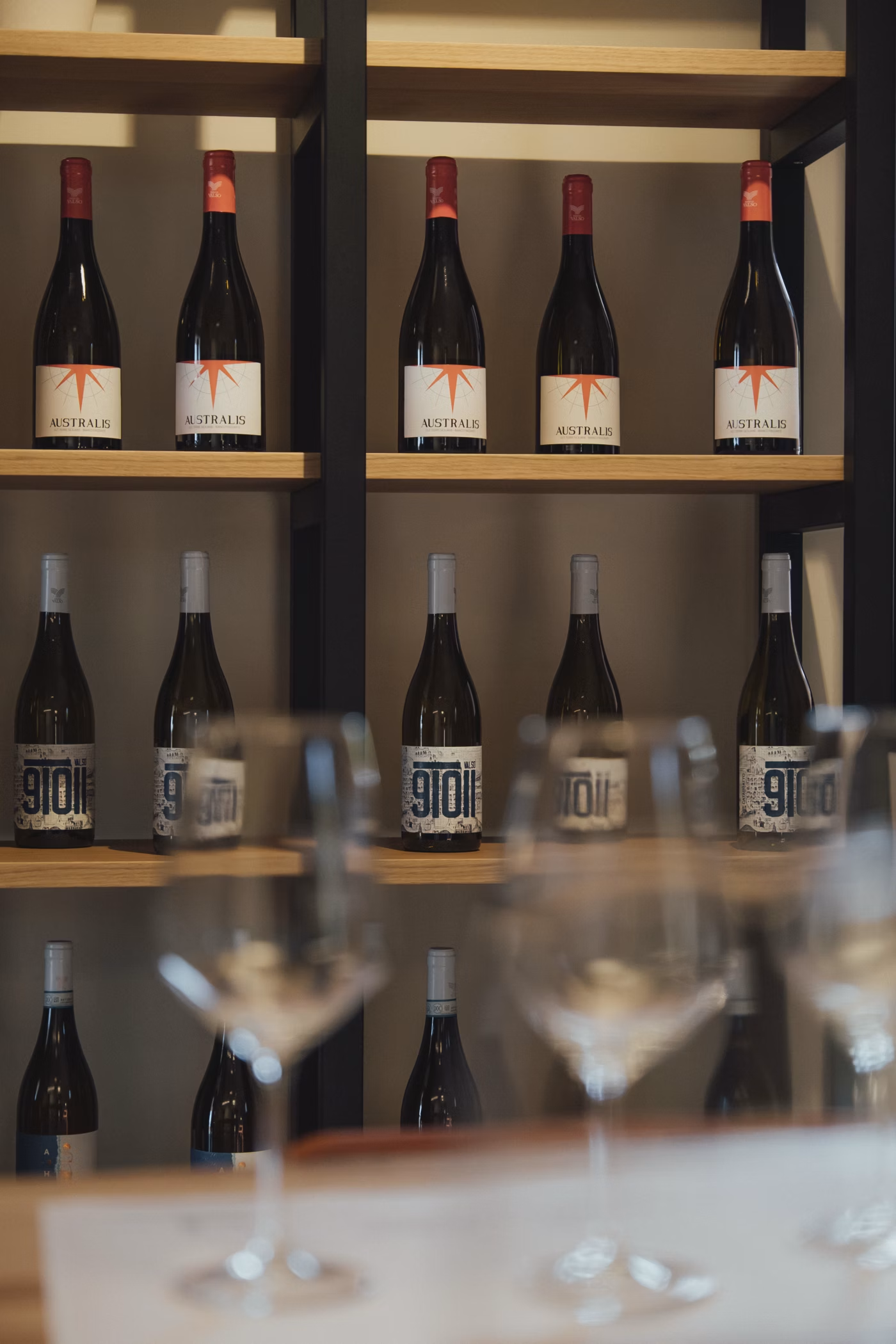
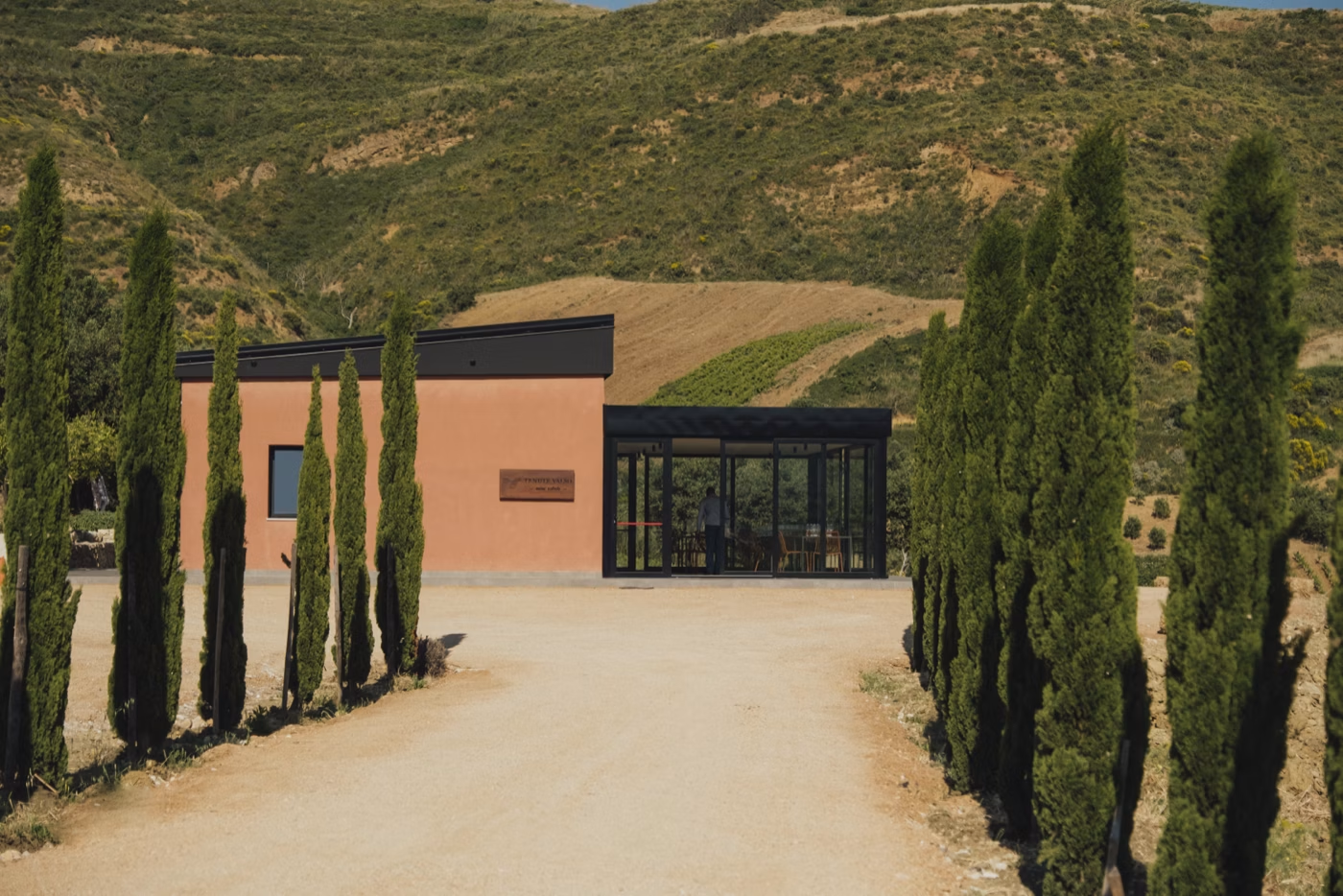
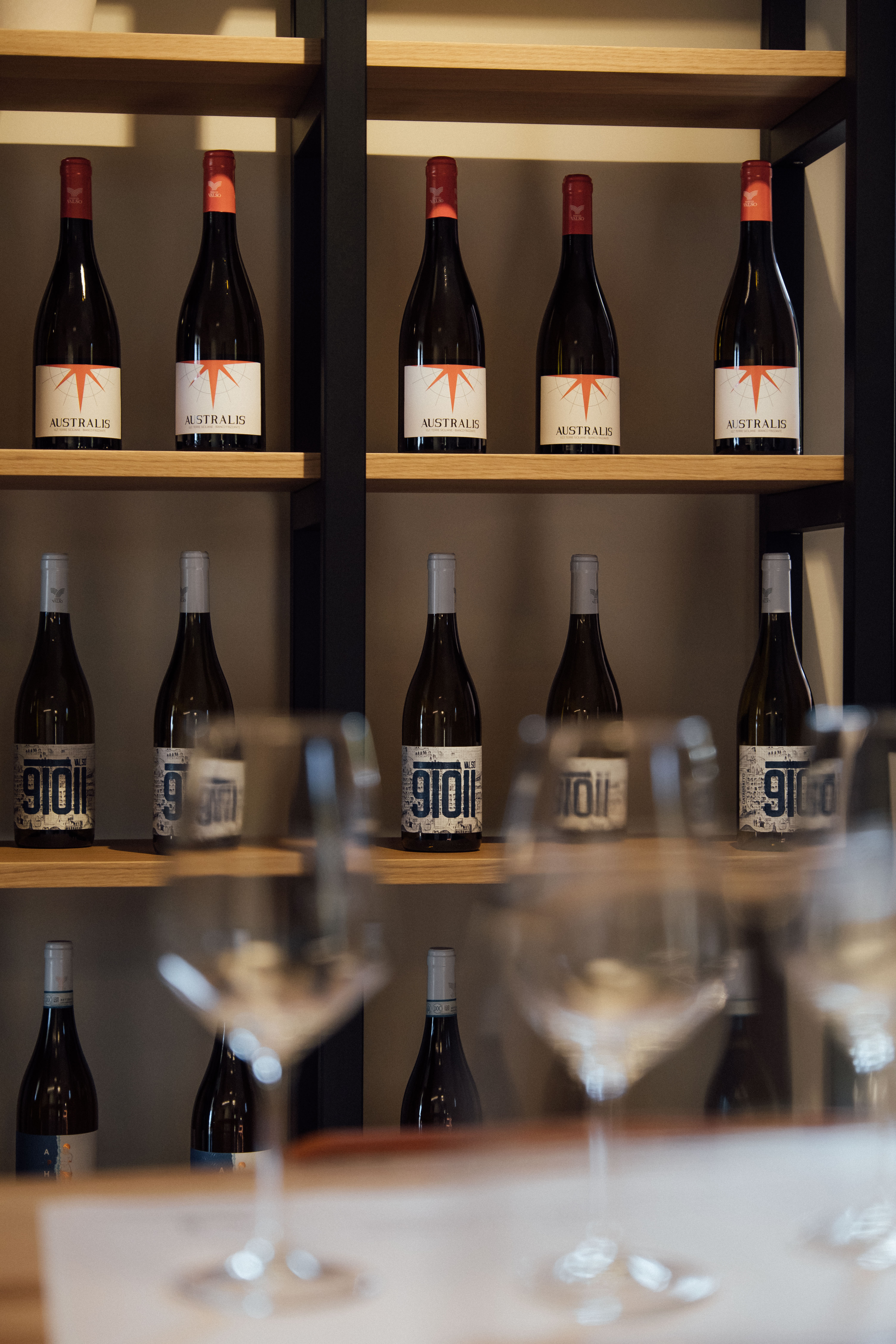
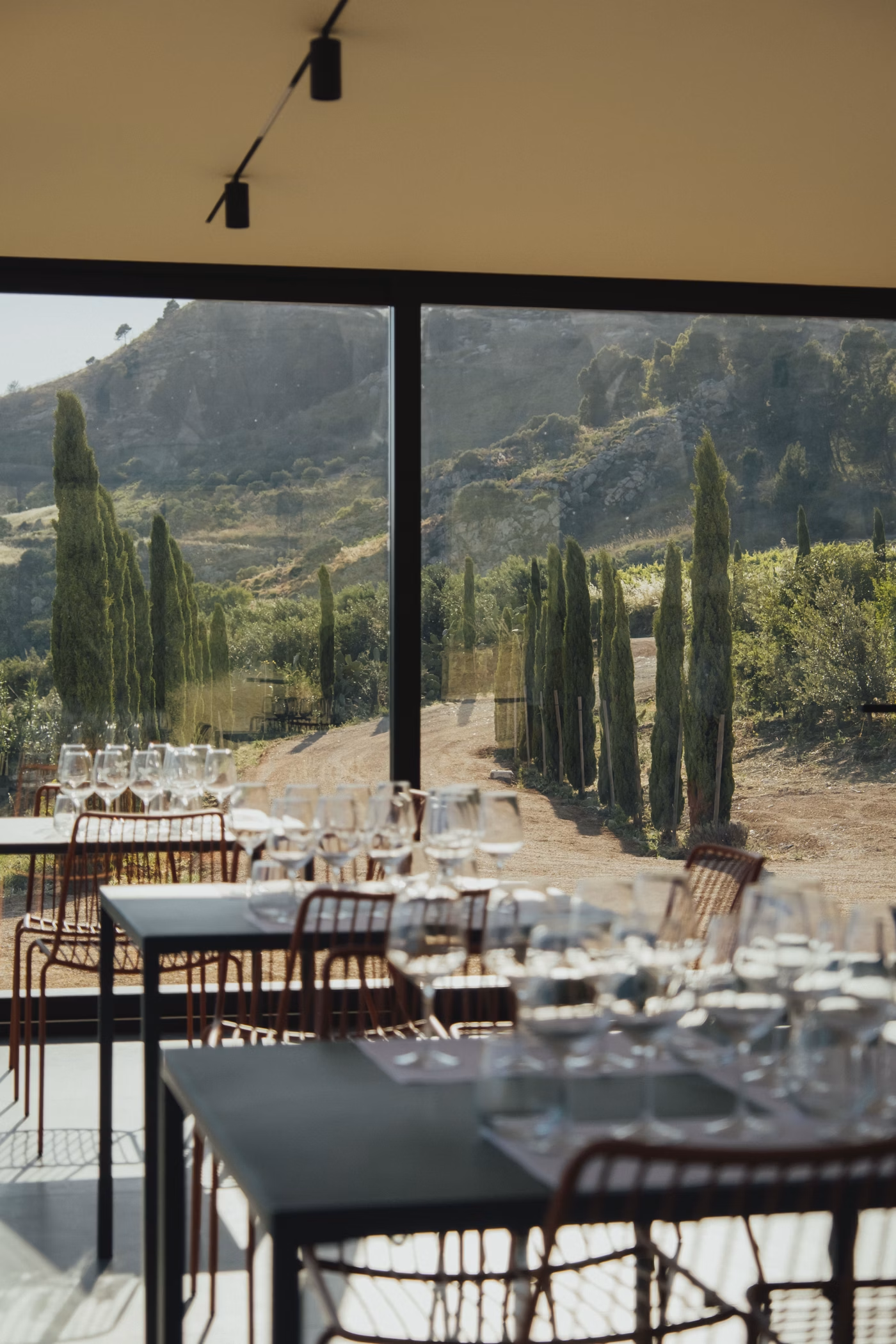
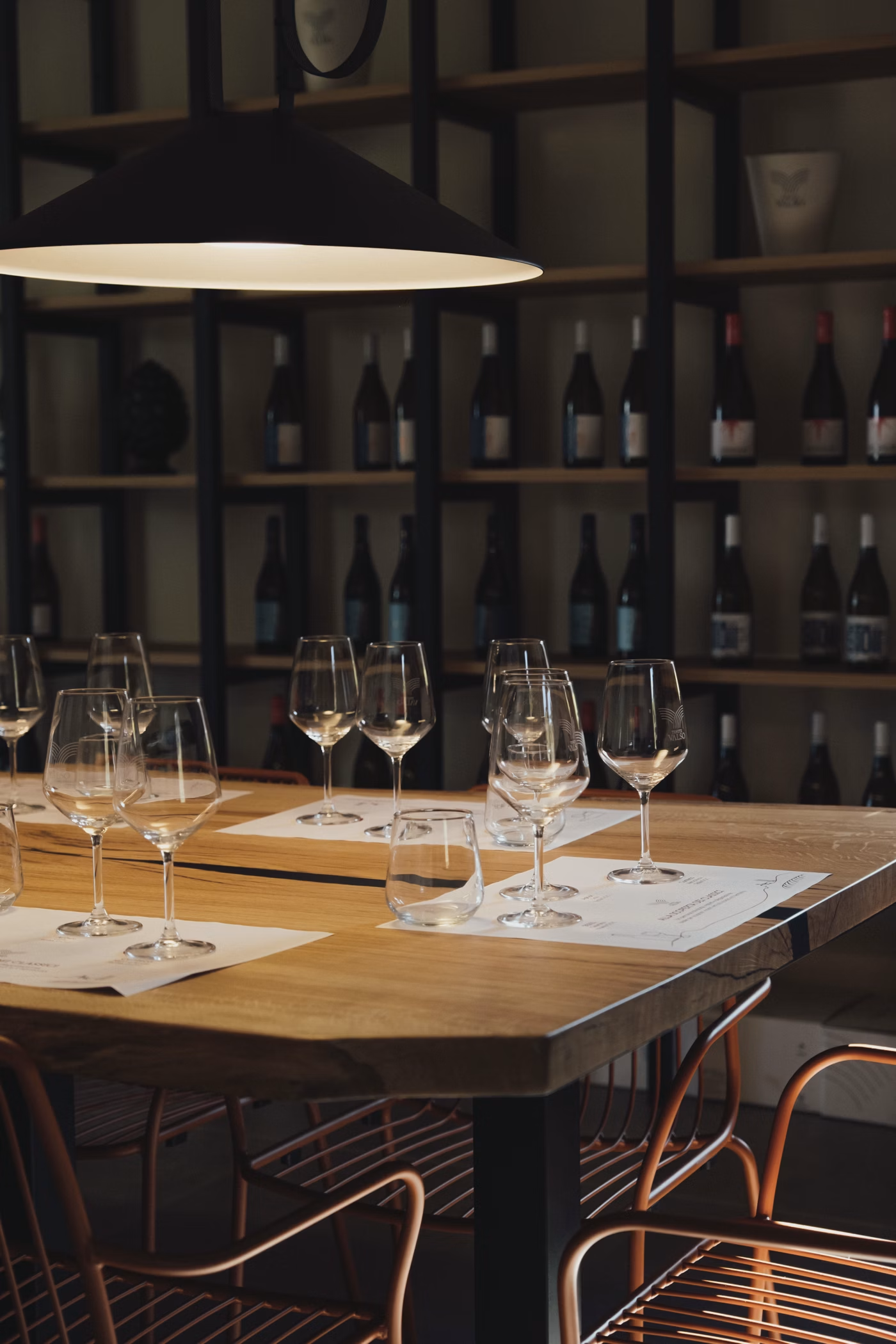
Tenute Valso's Catarratto is called 91011 and is a pure expression dedicated to the history of Alcamo, born from the vineyards of the Valso and San Nicola districts. It is a Catarratto in the classic style—steel-aged, vibrant, with notes of orange blossom and salt—designed to showcase the grape variety openly, without any artifice. You can find it at the heart of our vertical tasting dedicated to Alcamo DOC and in all our winery tastings: three centuries of history, poured into a glass.
Frequently asked questions about Catarratto
What kind of wine is Catarratto?A native Sicilian dry white, the most widely grown on the island: fresh, savory, with aromas of orange blossom and citrus, and a characteristic bitter almond finish. It is the foundation of the Alcamo DOC and one of the most food-friendly whites in the Mediterranean.
Why is it called Catarratto?The name almost certainly derives from "cateratta," meaning waterfall: a reference to the grape's proverbial productivity, which has been documented in Sicily since 1696.
What is the difference between Catarratto Comune and Lucido?The bloom, the waxy coating on the berries: it is abundant in the Comune variety and almost absent in the Lucido, which appears shiny. Today, the Lucido and the Extralucido selection are the most highly regarded for their finesse and acidity.
Can Catarratto age?Fresh, steel-aged versions are at their best within 2–3 years; those aged on the lees or in wood evolve well for 5 years or more, developing notes of ripe fruit, honey, and sweet almond.
The underdog who was right all along
For three centuries, Catarratto worked in the shadows, carrying the weight of half of Sicily's wine production without ever seeing its own name on a label. Now that it finally has, it’s clear how much time we wasted: it was a superstar disguised as a water carrier. In Alcamo, we’ve known it for a long time—and 91011 is our way of showing our gratitude.