Grillo Sicilia DOC: the white wine that tells the story of western Sicily
If one wine has changed the image of Sicily in the glass over the last twenty years, it is Grillo. From a "workhorse" grape for Marsala to the island's most sought-after white, Grillo Sicilia DOC is now synonymous with western Sicily: aromatic yet taut, sunny yet salty, immediate and still able to surprise.
In this glossary entry we tell its whole story (origins, characteristics, area, food pairings) from the point of view of the people who grow it: our Grillo vineyards are on the hills of Alcamo, in the heart of its home territory.
What Grillo is
Grillo is a native Sicilian white grape, grown almost exclusively in the western part of the island. When you read "Grillo Sicilia DOC" on a label, the denomination guarantees two things: that the wine contains at least 85% Grillo grapes, and that the entire process, from vineyard to bottling, takes place in Sicily according to the rules of the regional DOC.
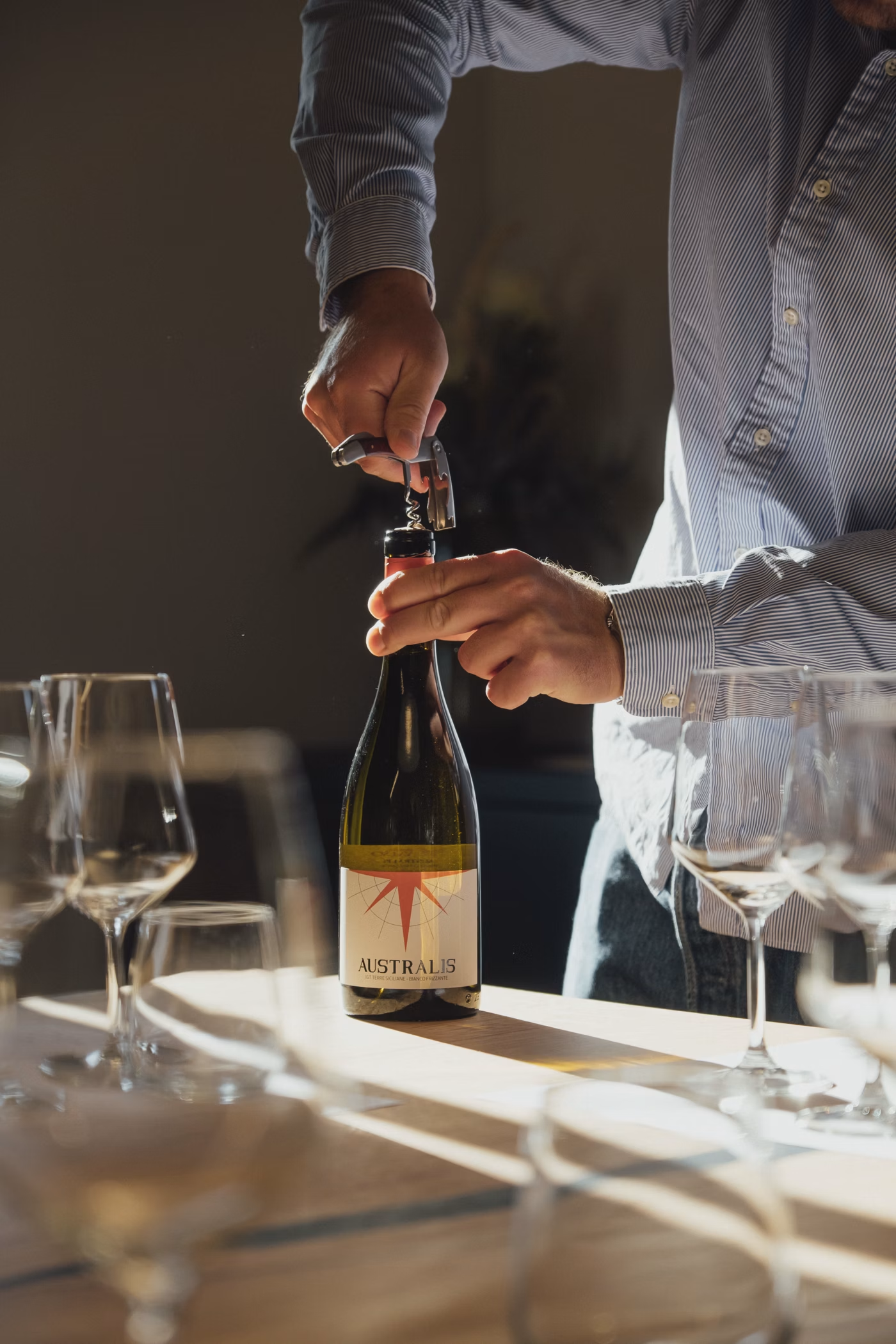
There is also a detail few people know: since 2017 the name Grillo can only appear on a label within the Sicilia DOC. It is a deliberate protection measure, designed to shield the island's signature grape from imitations and generic use: if a bottle says Grillo, it also says Sicilia DOC.
History: from Marsala to rebirth
Grillo is a young grape by wine standards: its creation is credited to Baron Antonio Mendola, who in 1869 crossed Catarratto and Zibibbo in search of a grape combining the structure of the first with the aromatic quality of the second. The experiment succeeded beyond expectations.
After phylloxera, Grillo became the leading grape for Marsala: high in sugar and heat-resistant, it was perfect for the fortified wines that made the province of Trapani's fortune at the time. Then came half a century of quiet decline, overshadowed by more productive varieties. Its rebirth came in the 1990s and 2000s, when a new generation of producers realised that this grape born for Marsala could make extraordinary dry whites. Today Grillo is the best-selling Sicilian white in Italy and abroad, and its journey from supporting actor to star is the story of new Sicilian wine itself.
Characteristics: Grillo's aromas and flavour
In the glass Grillo is straw yellow, with hints ranging from greenish to golden depending on the style. On the nose it is generous: white peach, citrus, tropical fruit, orange blossom and an undertone of Mediterranean herbs (sage, thyme) recalling the scrubland it comes from. On the palate comes the surprise: where the aromas might suggest a soft wine, you get instead a firm acidic backbone and an almost marine savouriness, the legacy of vineyards growing a stone's throw from the sea.
There are two main styles of Grillo. The first, more common, focuses on freshness and immediacy: fermented in stainless steel, with citrus and tropical aromas and a lively, easy drinkability. The second aims for structure: ageing on fine lees, sometimes a spell in oak, for a broader, longer-lived white. Alcohol is generally between 12.5 and 13.5 degrees. If you want to learn to recognise these traits in the glass, our entry on wine tasting explains the three stages of tasting step by step.
The production area
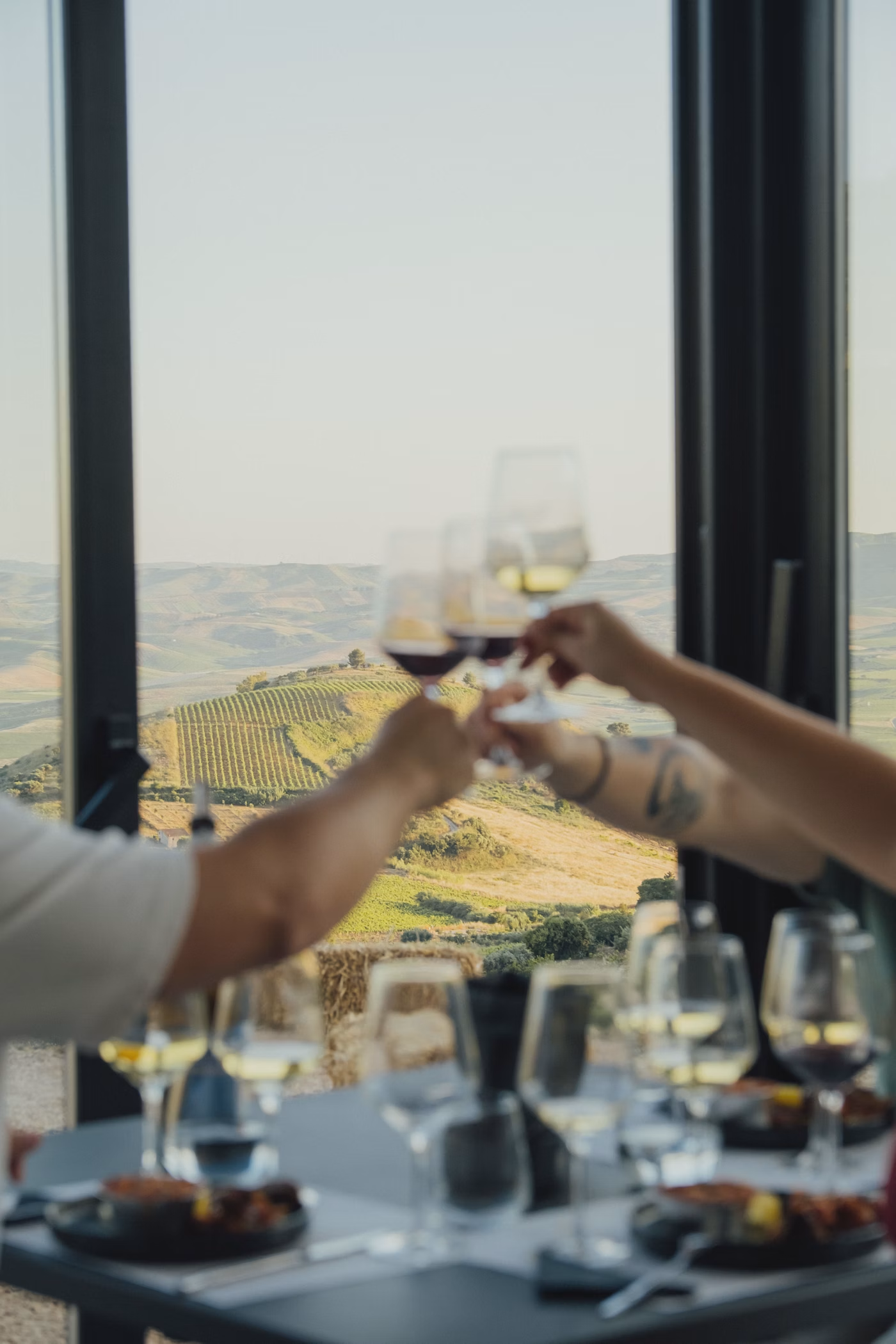
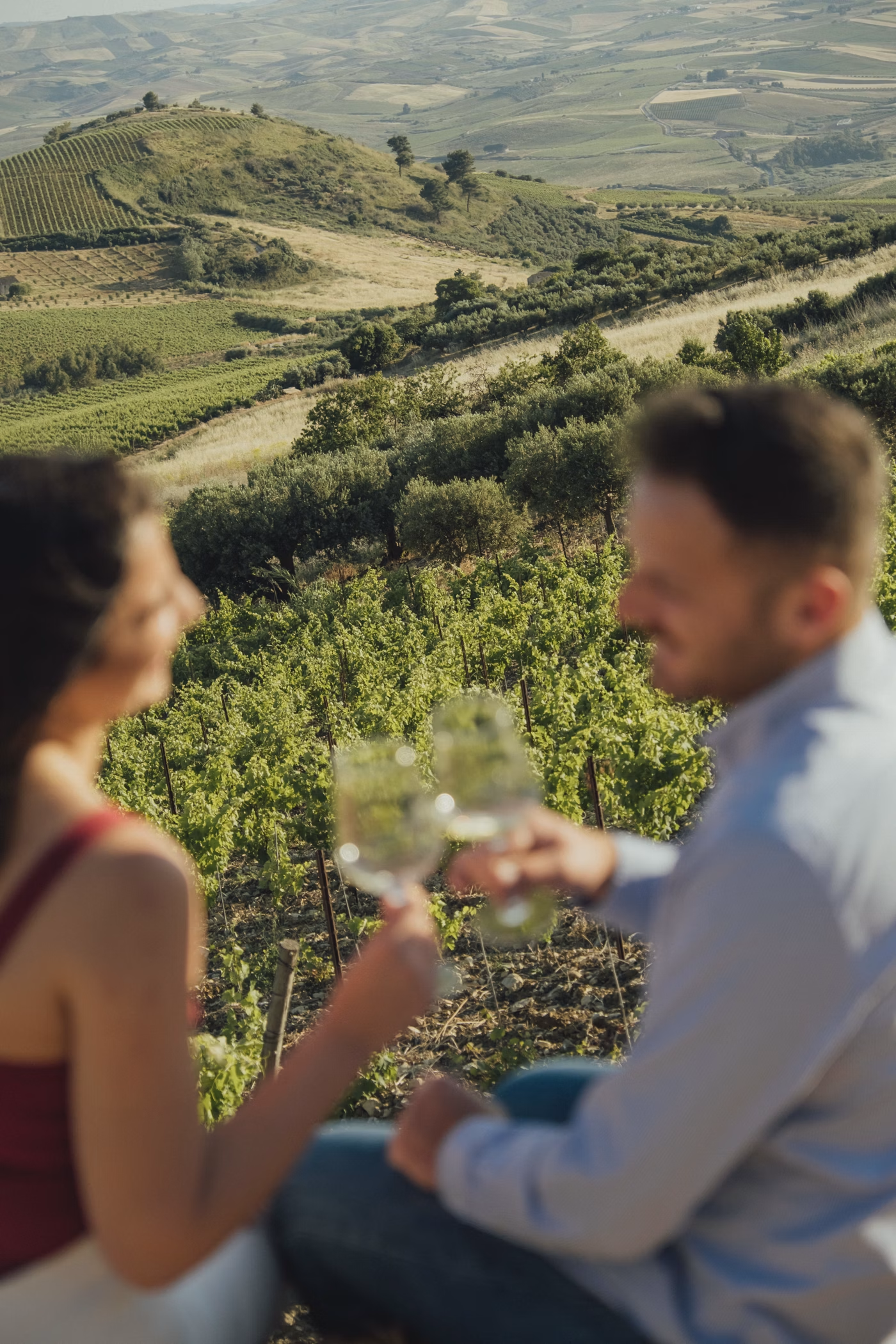
The Sicilia DOC covers the whole island, but Grillo's geography is clear: the vast majority of its vineyards are concentrated in western Sicily, in the provinces of Trapani, Palermo and Agrigento, with the Trapani area, Italy's most heavily planted wine province, as its capital. Here the grape finds ideal conditions: breezy hills between 200 and 400 metres, limestone and clay soils, plenty of light and the breeze from the Strait of Sicily that preserves acidity and aromas. The hills of Alcamo, where we grow our vines, sit right in this area: white wine country for half a century, long before Grillo came back into fashion.
Food pairings and serving temperature
Grillo should be served at 10–12 degrees, in a medium-sized glass that leaves room for the aromas. At the table it is the natural partner for Trapani seafood cooking: fish couscous, busiate with pesto trapanese, raw red prawns, sarde a beccafico, seared tuna. Its savouriness also stands up well to fried food and sweet-and-sour dishes such as caponata, while the more structured versions go with medium-aged cheeses and white meat. In short, it is one of the most versatile whites in the Mediterranean, and one of the few that isn't afraid of the garlic and raw tomato of Sicilian cooking.
Our Grillo: Aphor
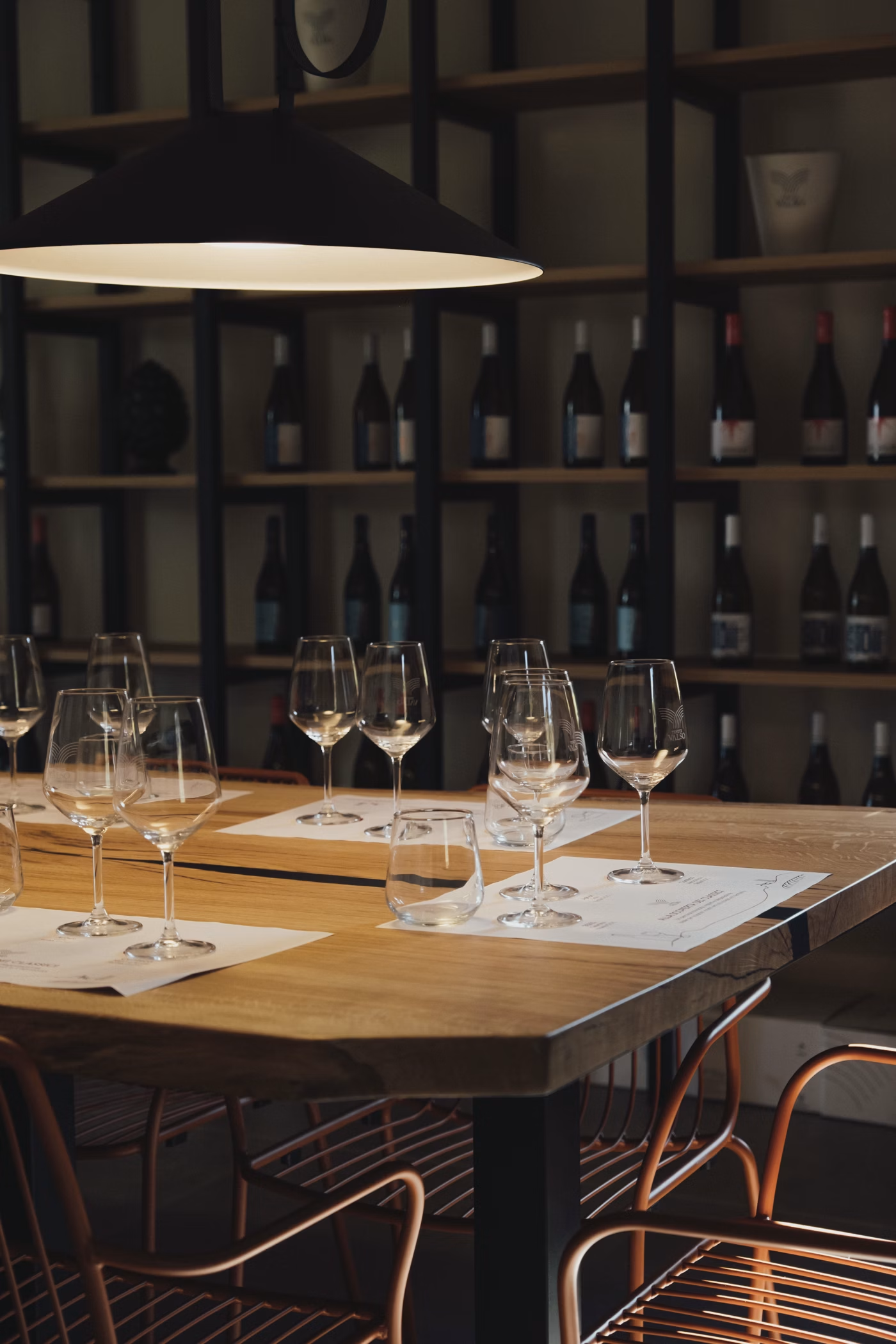
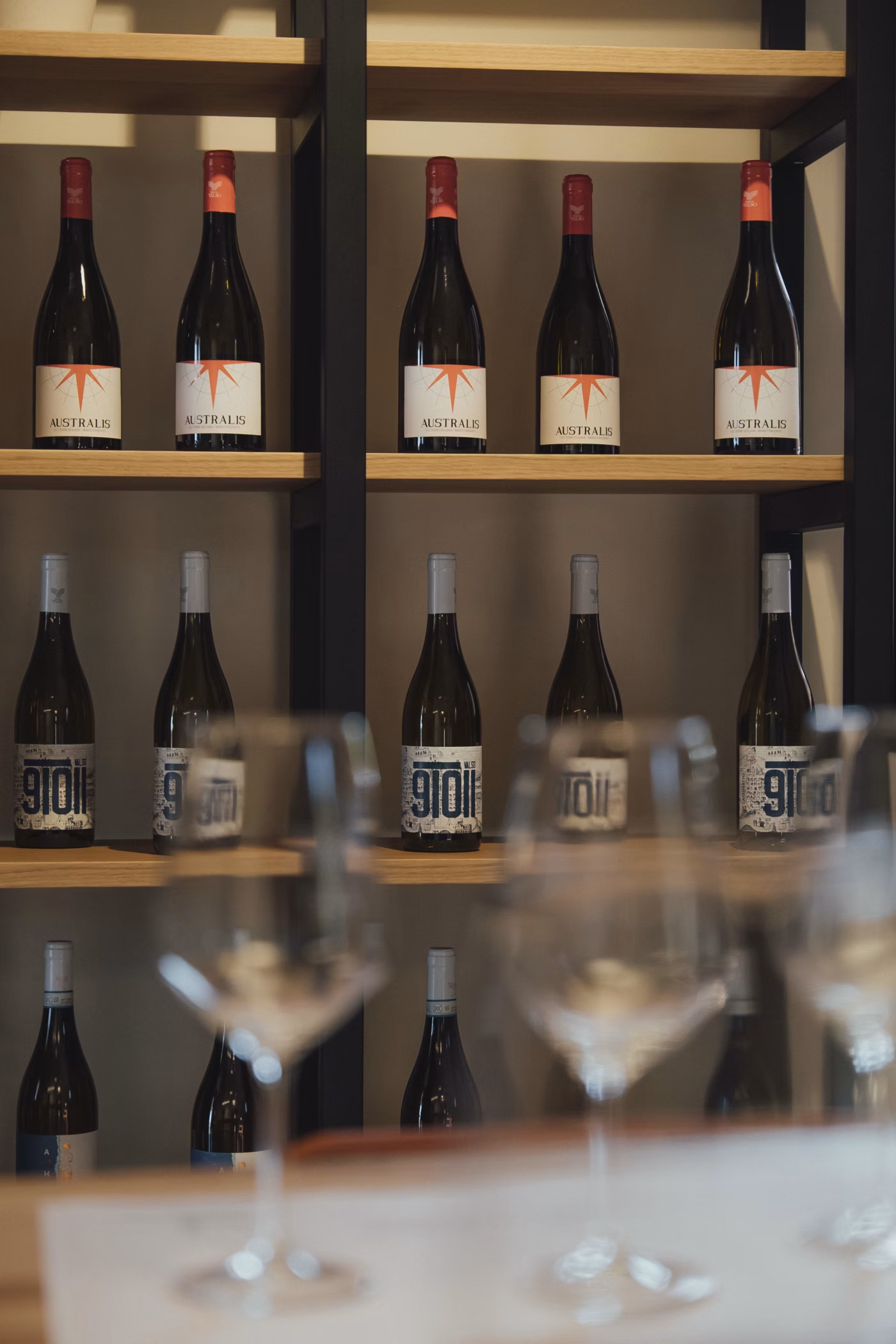
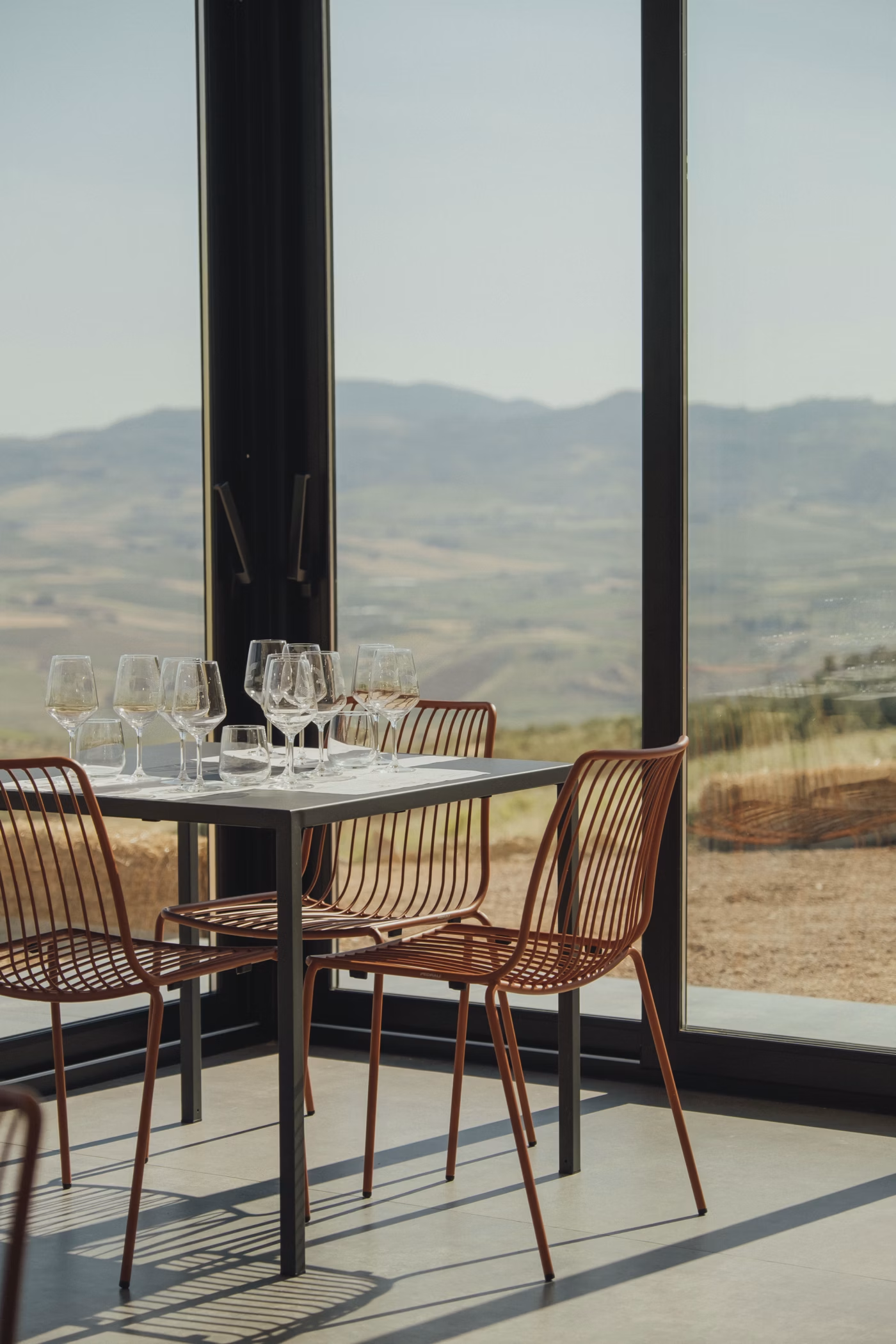
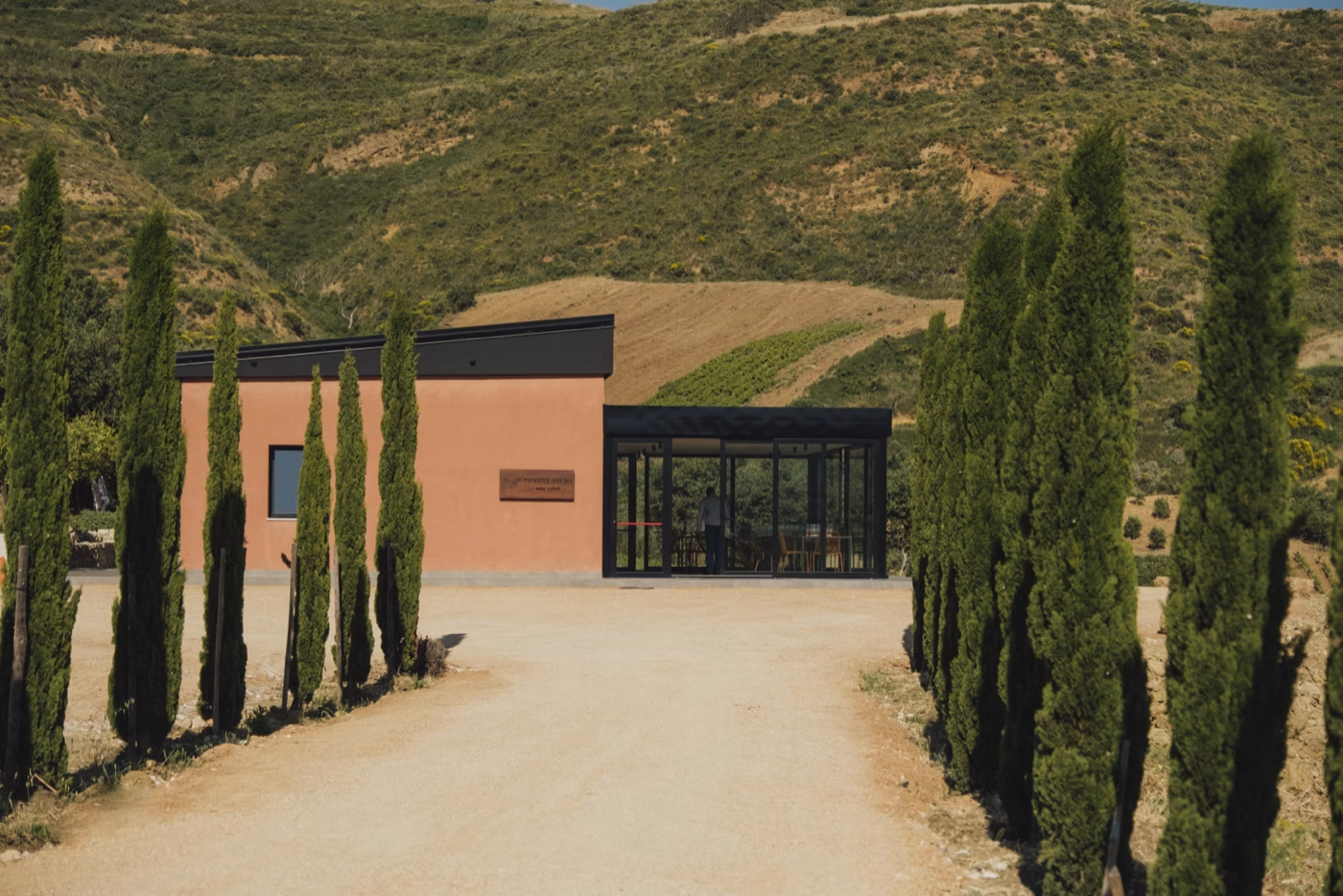
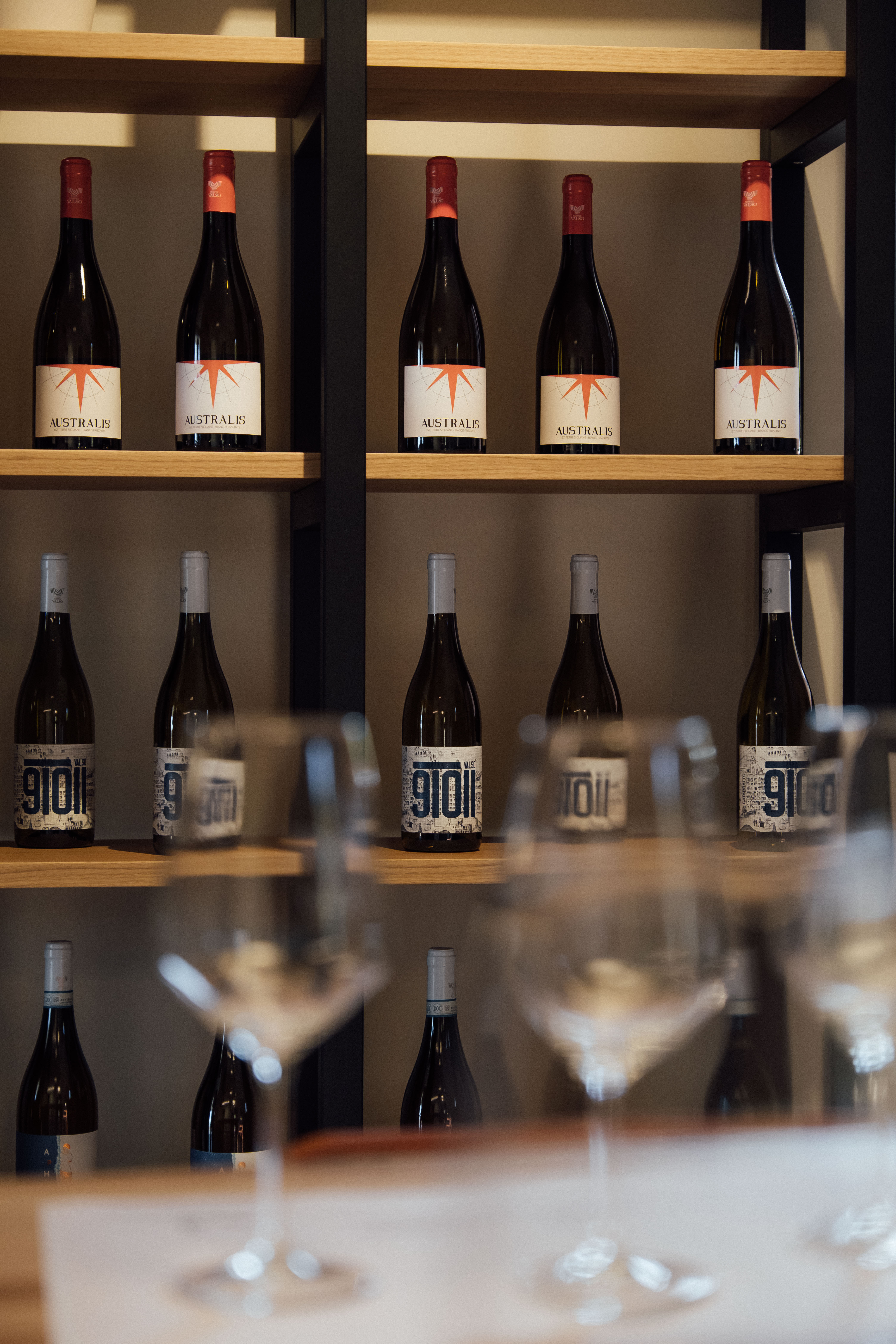
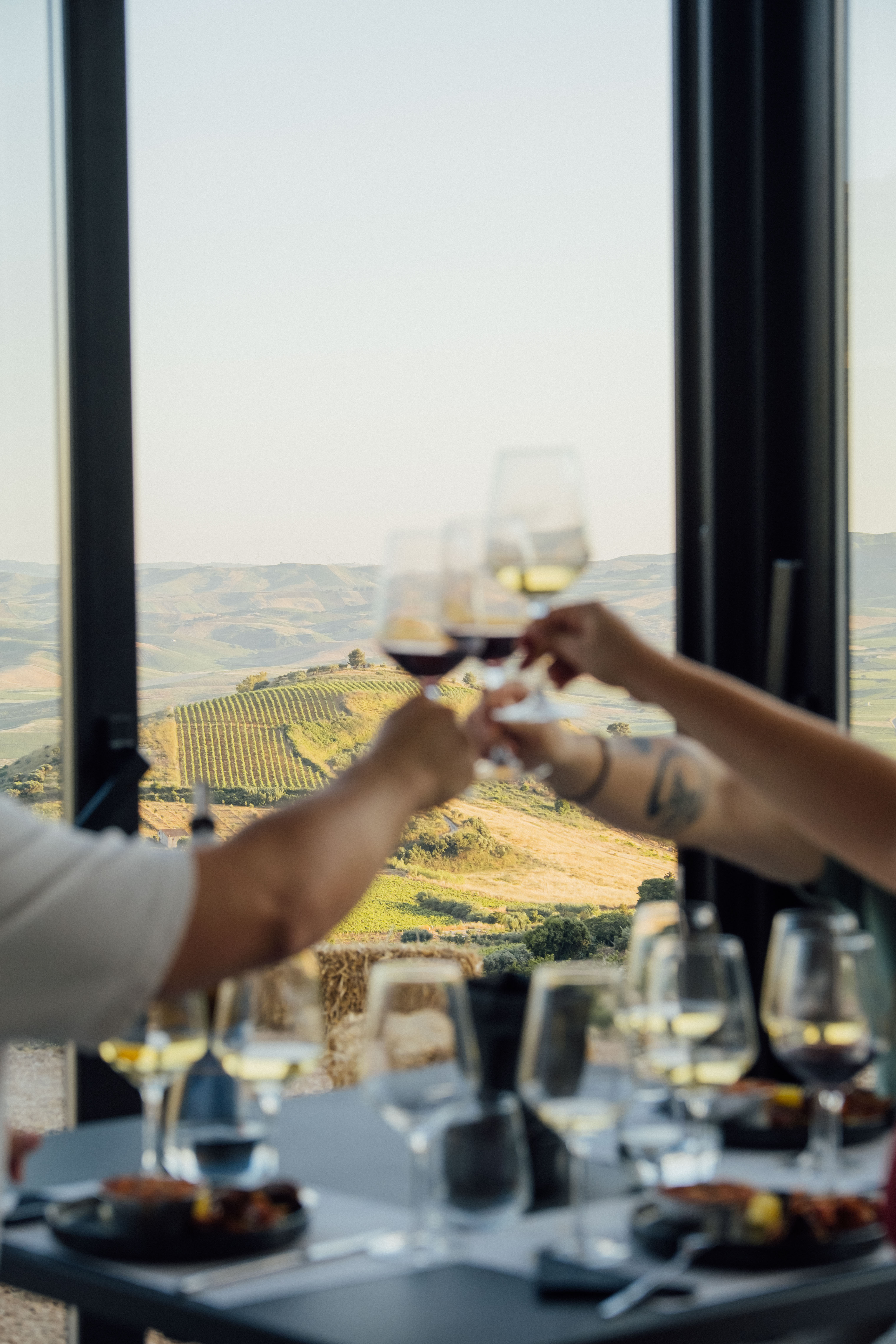
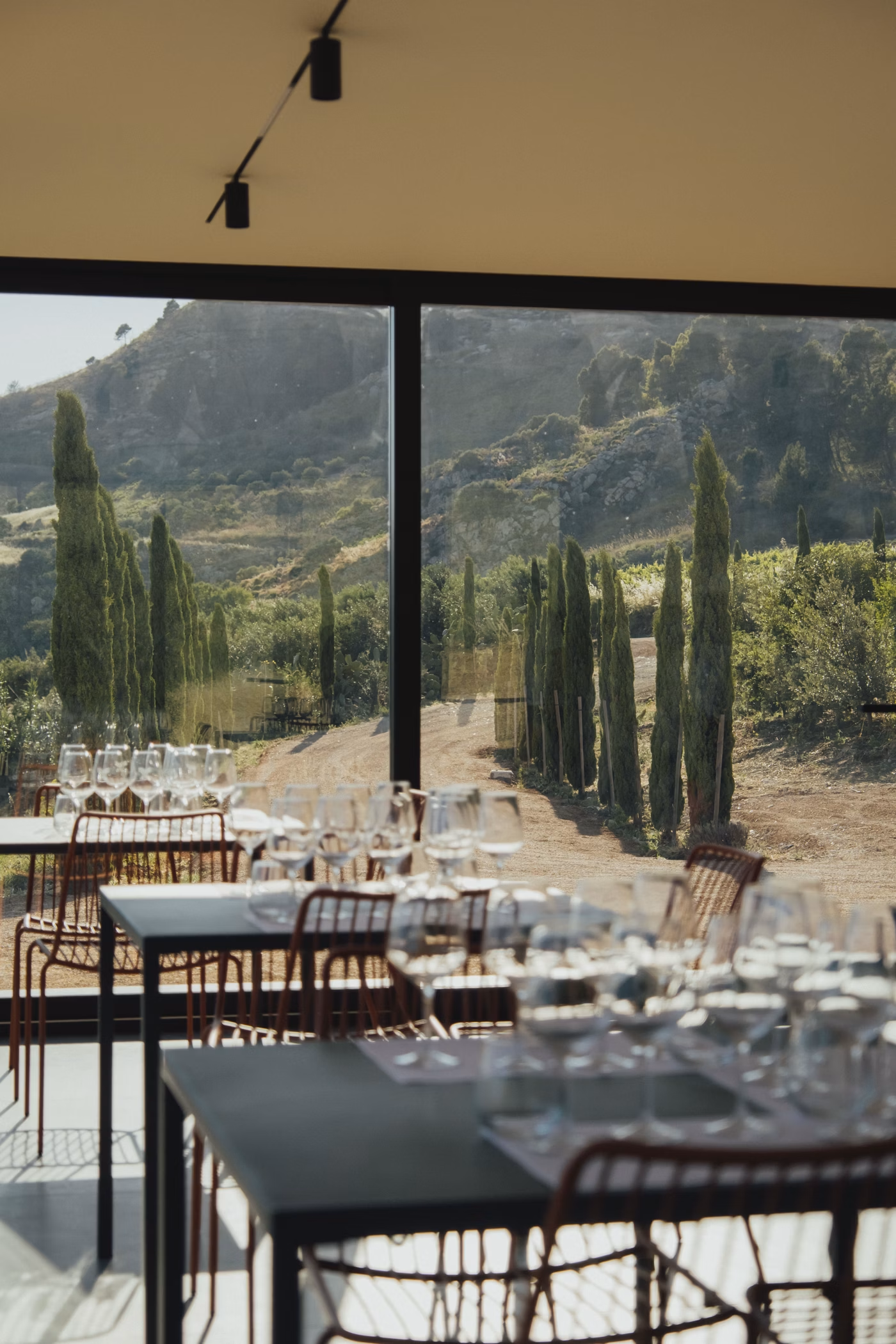
The Tenute Valso Grillo is called Aphor and comes from vineyards in the Valso and San Nicola districts, on the hills of Alcamo. It is a Grillo in the first style (stainless steel, freshness, aromatic precision) designed to express the grape's dual nature: sunshine in the glass, the sea on the finish. You will find it on the Aphor page, and even better in the glass: it is one of the stars of our winery tastings, where you taste it just a few metres from the vines it comes from.
Frequently asked questions about Grillo Sicilia DOC
Is Grillo a dry or sweet wine? Today almost always dry: the Grillo Sicilia DOC you find in wine shops is a still, dry white. Historically, though, it was the base grape for Marsala, and some producers still make sweet or fortified versions.
Why does the label say Sicilia DOC? Because since 2017 the name Grillo can only be used within the Sicilia DOC: it is a rule to protect the grape. The denomination guarantees at least 85% Grillo and an entirely Sicilian production process.
What does Grillo go with? All kinds of seafood: couscous, raw fish, shellfish, baked fish and fried dishes. The more structured versions also suit medium-aged cheeses and white meat. Ideal temperature: 10–12 °C.
How long can Grillo age? Fresh versions are at their best within 2–3 years of the harvest. More structured Grillos, aged on the lees or in oak, can develop well for 5 years or more, gaining notes of ripe fruit and honey.
One grape, one direction
Grillo is proof that Sicilian wine doesn't need to imitate anyone: it only had to look at its own vineyards. If you really want to understand what Grillo Sicilia DOC means, the most direct way is to taste it where it was born, and in Alcamo the glass is already on the table.