Alcamo DOC: history, regulations, and wines of one of Sicily's first designations
When the Italian wine industry began to organize its denominations, Sicily responded with three names in quick succession: Etna in 1968, Marsala in 1969, and Alcamo in 1972. The fact that a hillside white wine was included in this trio of pioneers—at a time when the island was synonymous with blending wine—speaks volumes about the high regard in which the Alcamo territory was already held back then.
The Alcamo DOC is our home denomination: we produce it, we feature it in a dedicated tasting, and our vineyards grow in its historic heart. In this glossary entry, we explain it in full—history, regulations, grape varieties, types—the way you explain something you know from the inside out.
What is the Alcamo DOC
The Alcamo DOC is the controlled designation of origin that protects wines produced on the hills between the provinces of Trapani and Palermo: the territory of Alcamo and parts of neighboring municipalities, including Calatafimi-Segesta, Castellammare del Golfo, Camporeale, Partinico, San Cipirello, and San Giuseppe Jato. Like every DOC, it guarantees three things: that the grapes come from the delimited area, that the grape varieties and yields comply with the regulations, and that the wine matches the expected profile. Of the six denominations in the province of Trapani, it is the one built around hillside white wine—and Catarratto.
The history: 1972, the bet on white wine
To understand the Alcamo DOC, you have to imagine Sicily in the early seventies: an ocean of vineyards filling tankers headed for northern Italy and France, excellent wine traveling without a name. The "Bianco Alcamo" denomination was born in 1972 precisely to break that pattern—to give a name, a zone, and rules to the white wine that had been coming out of these hills for centuries.
The second turning point came in 1999, when the regulations were revised and expanded: the denomination became simply "Alcamo" and opened up to reds, rosés, sparkling wines, novello, and late harvest, in addition to single-varietal versions. From a DOC for a single wine to a denomination for an entire territory: a snapshot of a district that had meanwhile begun its conversion from bulk to bottled wine.
The regulations: grape varieties and rules
The heart of the denomination remains the white wine: the regulations require at least 60% Catarratto, complemented by grapes such as Inzolia, Grillo, and Grecanico. It is the historic formula, the one that gave Alcamo its identity—and which assigns Catarratto the role of signature grape, as we describe in our guide to Sicilian white wines.
Alongside the blended white, the regulations provide for single-varietal versions — which must contain at least 85% of the variety indicated on the label: Catarratto, Grillo, Inzolia, and Grecanico among the native varieties, plus some international varieties that entered the area between the eighties and nineties. For the reds the base is Nero d'Avola, at least 60%, with riserva versions aged longer and the novello for immediate drinking. The picture is completed by the rosé, the sparkling wine, and the late harvest — the sweet and lesser-known side of the denomination.
A special mention goes to theAlcamo Classico, reserved for wines produced in the original historical area from 1972: when you read it on the label, you are drinking the ancient heart of the DOC.
What do the wines of the Alcamo DOC taste like?
Alcamo white is recognizable from the first sip: straw yellow with greenish reflections, aromas of orange blossom, citrus, and white apple, and then the signature of Catarratto — an almost marine sapidity and a slightly bitter finish that cleanses the palate and calls for the next sip. It is a wine of climate and wind rather than muscle: fresh, vertical, made for the table. The reds made from Nero d'Avola play on ripe red fruit and Mediterranean spice, with gentle tannins.
At the table, the white is the natural companion to the cuisine of the Gulf: raw fish, busiate with Trapanese pesto, sarde a beccafico, and fried dishes. Served between 10 and 12 degrees, it is at its best in the first two or three years — although the most ambitious Catarrattos can age with surprising dignity.
The hills of the DOC: the territory in the glass
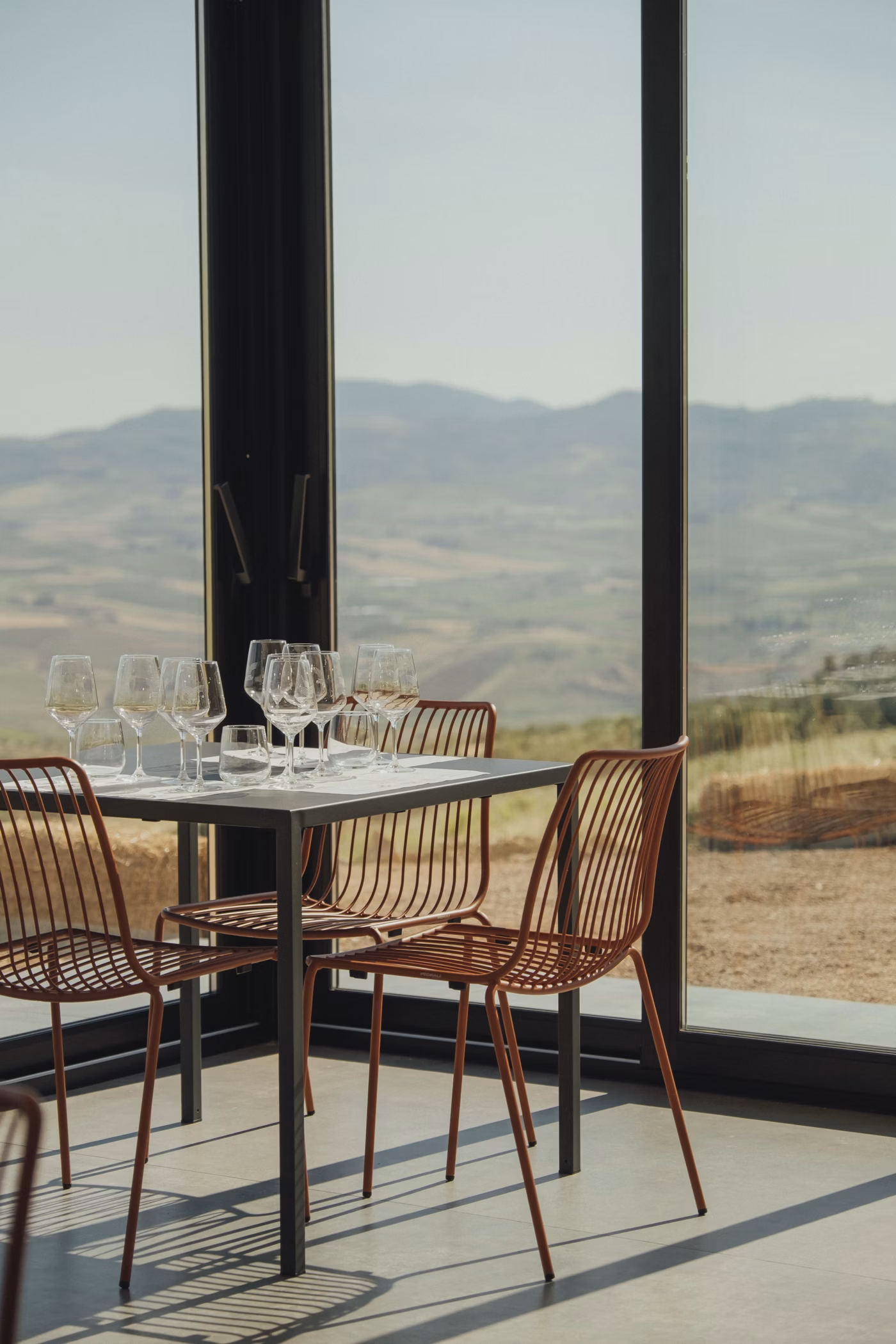
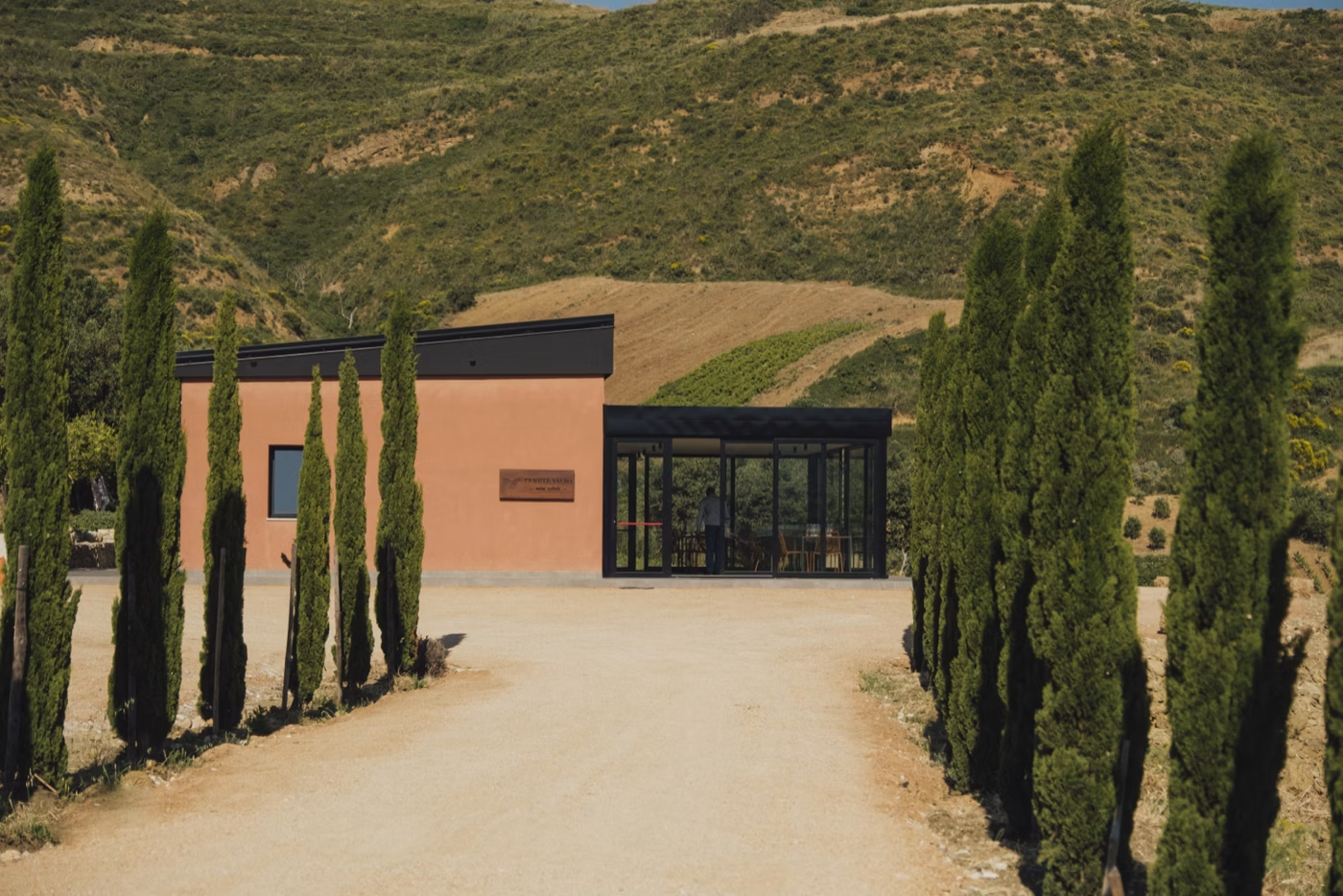
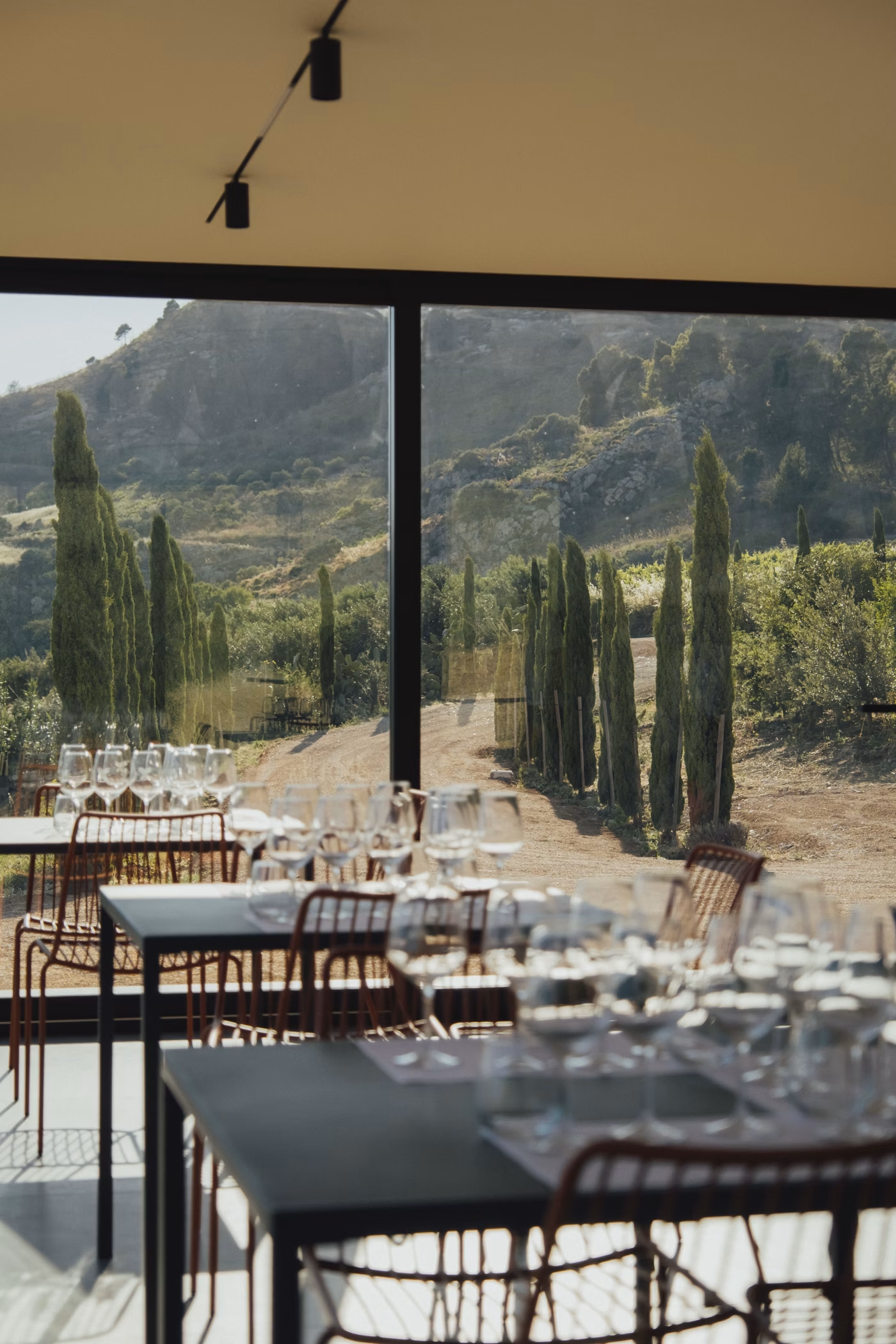
The denomination area is an amphitheater of hills between 200 and 400 meters, open towards the Gulf of Castellammare: limestone and clay, abundant light, and above all the wind — the true winemaker of these parts, which dries the vines and preserves acidity and aromas. It is the landscape we described in the guide to the wineries of Alcamo: a mosaic of districts where viticulture is the very shape of the territory. Ours, Valso and San Nicola, are located exactly in this quadrant.
The Alcamo DOC today
Compared to the massive volumes of the past, today the denomination has chosen the path of selection: fewer hectoliters claimed, more signature bottles, with family-run businesses acting as the driving force for quality. It coexists peacefully with the Sicilia DOC — the regional denomination that identifies varietal wines, Grillo in the lead — according to a division of tasks that is now clear: the Sicilia DOC says what when you drink, the Alcamo DOC tells you where it comes from. Many producers in the area, ourselves included, use both for different wines.
Tasting it at the source
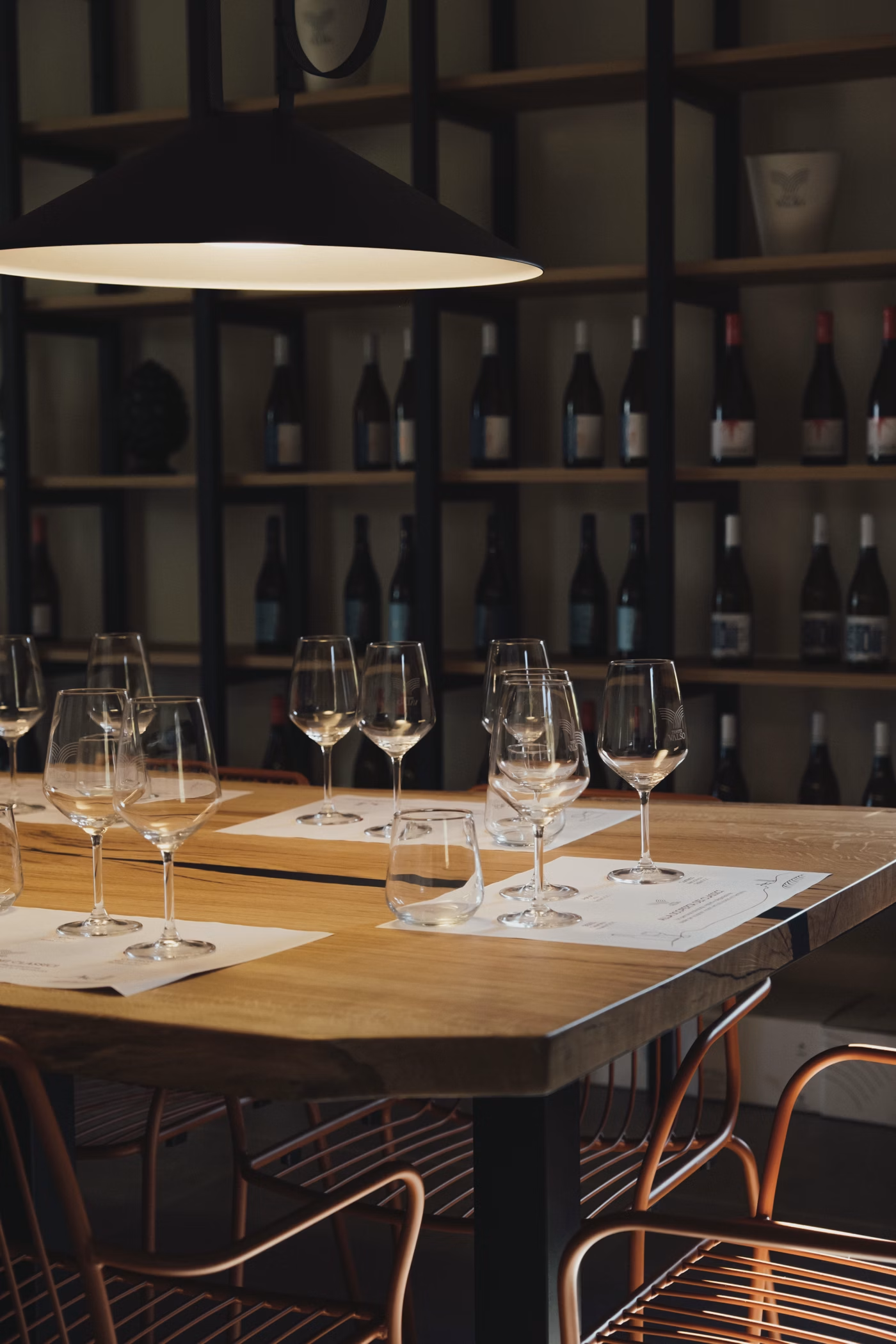
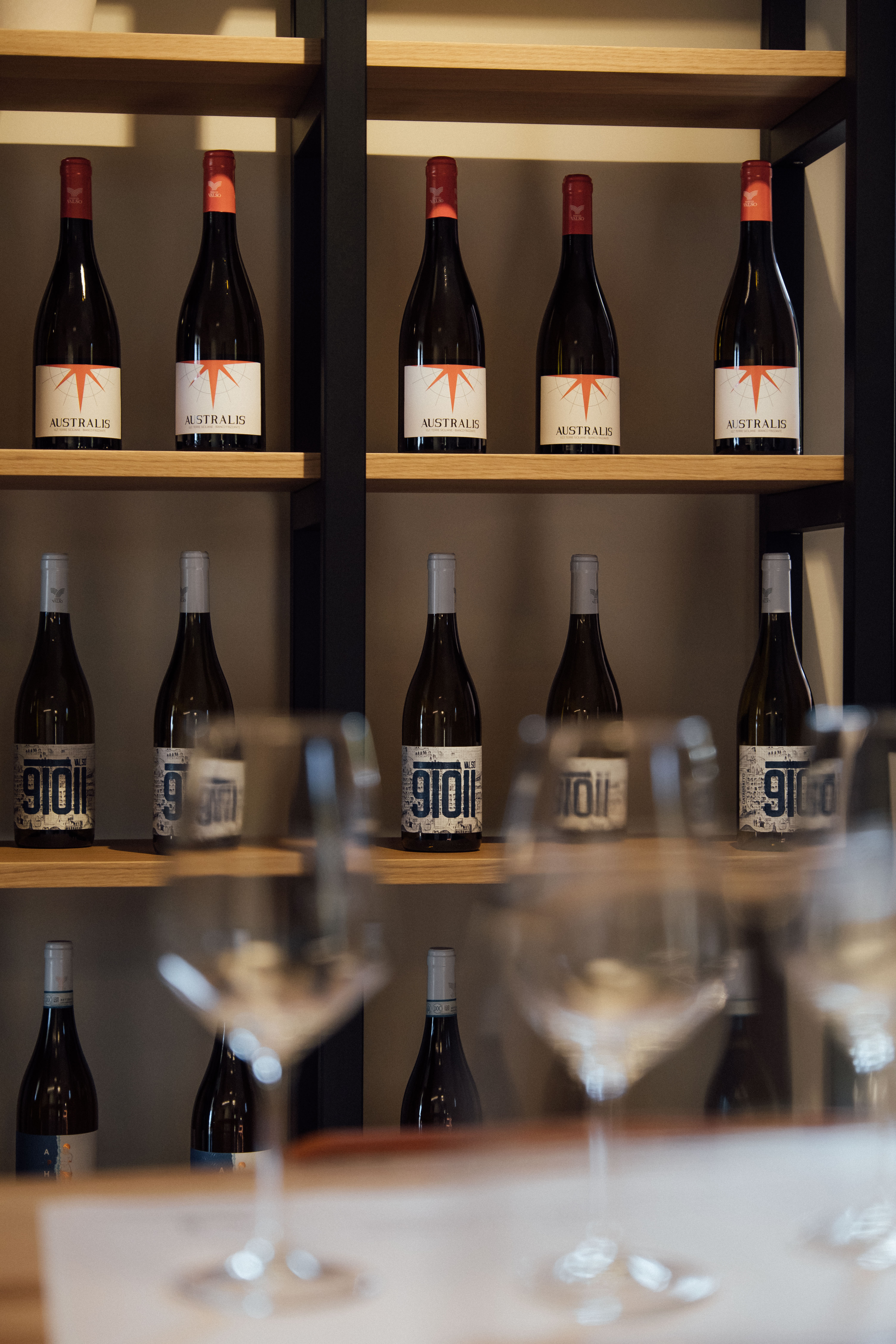
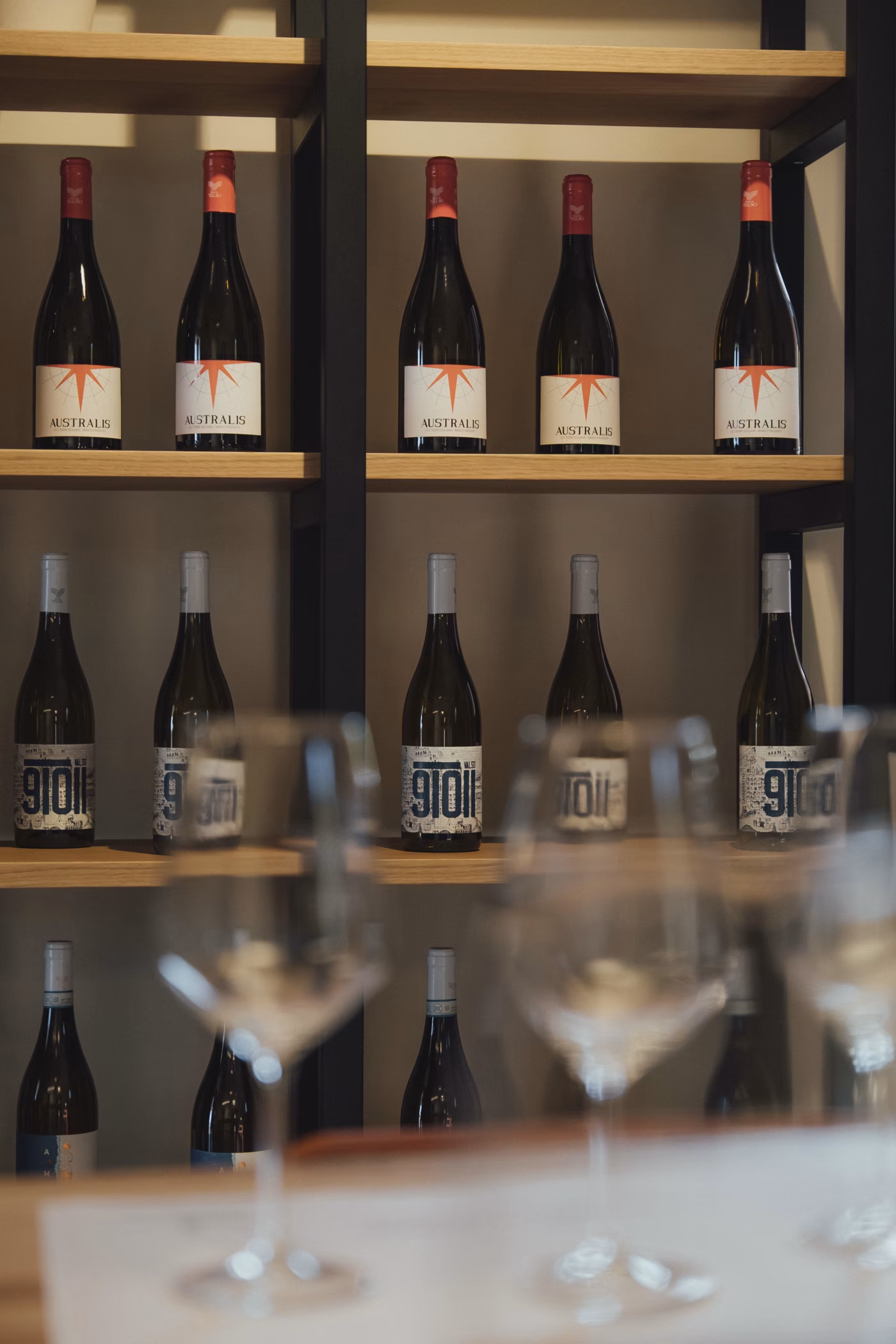
The most direct way to understand the Alcamo DOC is to drink it where it is born. At the winery, we dedicate a specific tasting experience to it — the Alcamo DOC vertical — built around Catarratto and the local white wines, with our 91011, a pure Catarratto dedicated to the city's history, as the common thread. You can find dates and formats on the winery tours page: the regulations, experienced in person, are much better than on paper.
Frequently asked questions about the Alcamo DOC
When was the Alcamo DOC established?In 1972, as "Bianco Alcamo": it was the third denomination recognized in Sicily, after Etna (1968) and Marsala (1969). In 1999, the regulations were expanded to include reds, rosés, sparkling wines, and single-varietal versions.
Which grape varieties does the Alcamo DOC include?The white requires at least 60% Catarratto, complemented by Inzolia, Grillo, and Grecanico; the red requires at least 60% Nero d'Avola. Single-varietal versions must contain at least 85% of the variety stated on the label.
What is the difference between Alcamo DOC and Alcamo Classico?Classico is reserved for wines produced in the original historical area of the 1972 denomination, the hilly heart of the region. The label designation therefore indicates that it comes from the oldest and most suitable area.
Is the Alcamo DOC only white wine?No: while the white made from Catarratto remains its historical soul, since 1999 the denomination has also included reds (based on Nero d'Avola), rosés, sparkling wines, novello, and late harvest wines.
A designation with half a century of history
Fifty years ago, betting on a Sicilian hillside white wine seemed like a gamble; today, the Alcamo DOC is proof that it was a vision ahead of its time. The best way to celebrate is also the simplest: a glass of Catarratto, sitting before the very hills that made it possible. Here, the table is always set for you.