Sicilian sparkling white wine: the guide to the island's bubbles
Sicily is a land of still whites and sun-drenched reds, but for some years now, a third voice has been growing in aperitif glasses: Sicilian sparkling white wine. Mediterranean bubbles, born from native grapes and designed for the island's climate and table — where, between a plate of fried fish and a sunset over the sea, a bubble is not a luxury, but a necessity.
In this glossary entry, we explain exactly what a frizzante is, how it differs from a spumante, which grapes and methods are used to produce it in Sicily, and how to serve it. We do so from experience: our Australis is born exactly this way, from the white grapes of the hills of Alcamo.
Frizzante or spumante? The difference that matters
The two terms are often used as synonyms, but by law — and for the palate — they are two different worlds. The difference lies in the pressure of the bubbles inside the bottle: a frizzante wine has an overpressure between 1 and 2.5 bar, while a spumante starts at 3 bar and up. In practice: spumante has a richer foam and a more persistent perlage, while frizzante has a more delicate bubble that caresses rather than pricks.
You can also recognize it by the cork: by law, spumante requires a mushroom-shaped cork with a wire cage, while frizzante can use a standard flat cork or a screw cap. And it is precisely this lightness — of pressure, of drinkability, and often of price — that makes frizzante the ideal companion for everyday life: less ceremony, more table.
How a frizzante is made: the methods
Almost all Sicilian frizzante wines are made using the Martinotti method, known to the world as Charmat: the second fermentation — the one that creates the bubbles — takes place in large, temperature-controlled steel autoclaves over several weeks. It is the method perfected by the Italian Federico Martinotti at the end of the 19th century, ideal for preserving the fresh, fruity aromas of aromatic grapes: it is the method used for Prosecco, and the one we use as well.
There is also the classic method, with bottle refermentation — which produces great spumante in Sicily, especially on Mount Etna — and the ancestral method, the ancient bottle refermentation without disgorgement, which has come back into fashion with natural "col fondo" wines. But when you see "frizzante" on the label, in the vast majority of cases, there is an autoclave behind it.
The grapes of Sicilian bubbles
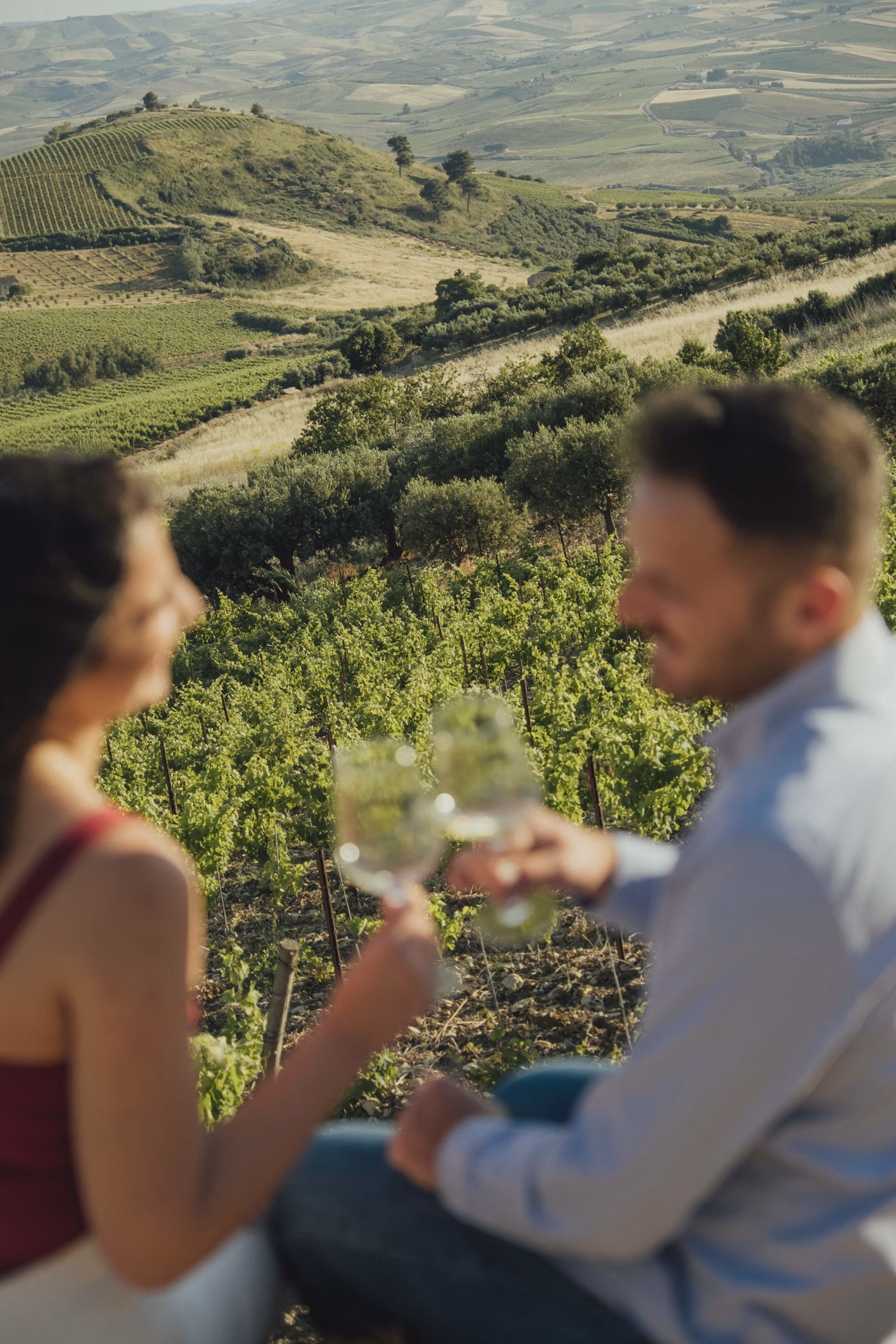
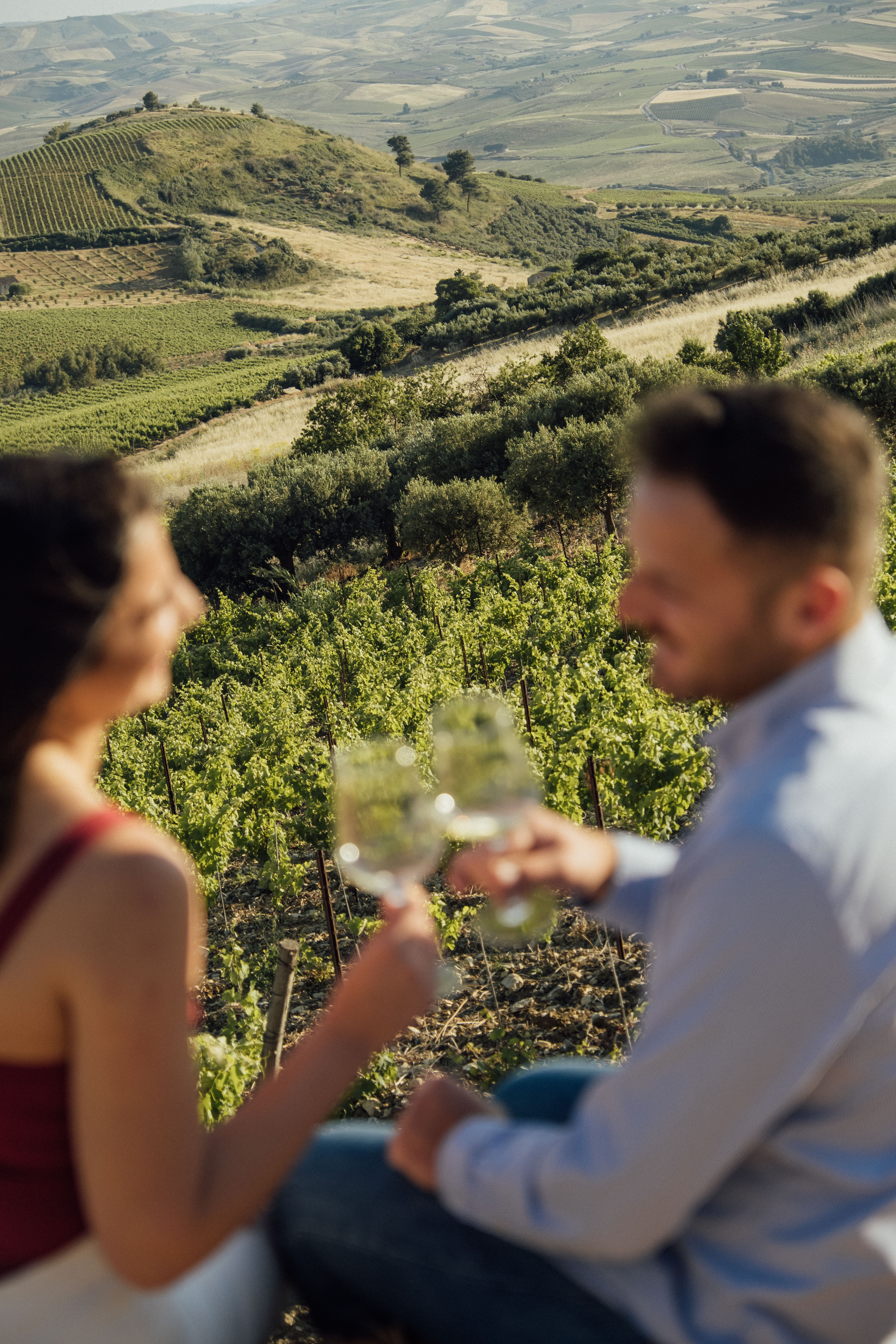
The apparent paradox—bubbles on a hot island—is resolved by looking at where the grapes are grown: on the breezy hills of western Sicily, harvested early to preserve the acidity that a good sparkling wine demands.
The Grillo is the natural candidate: its dual aromatic and acidic soul, inherited from Zibibbo and Catarratto, translates into fragrant, lively sparkling wines. The Catarratto brings the citrus backbone and salinity that keep the wine balanced. The Zibibbo defines the quintessential aromatic sparkling wines, exuberant with flowers and candied fruit. And on Mount Etna, Carricante and Nerello Mascalese fuel the small world of mountain traditional-method sparkling wines—a different story, one that deserves a glass of its own.
What does a Sicilian sparkling wine taste like?
In the glass, expect a brilliant straw yellow hue with a fine perlage. The nose is dominated by flowers—acacia, orange blossom—along with white-fleshed fruit, citrus, and, in versions made from more aromatic grapes, exotic nuances. On the palate, the bubbles are delicate, freshness takes center stage, and the finish is clean and slightly savory: the sea is never far away, not even in these bubbles. The alcohol content remains gentle, generally between 11 and 12.5 percent—another reason it’s perfect for an aperitif. Most Sicilian sparkling wines are dry or just slightly off-dry; semi-sweet versions exist but are in the minority.
Pairings and serving temperature
Sicilian sparkling wine is born for the aperitif but truly shines at the table, where its bubbles and acidity cleanse the palate and refresh. Local pairings: fried mixed fish, panelle and potato croquettes, raw seafood, Mazara red prawns, sfincione, and all the classic Palermo street food—the bubbles are the most elegant answer to the joyful richness of Sicilian street food. It also works well with sushi, fresh cheeses, and, in the more aromatic versions, with dry pastries.
Serve it chilled, between 6 and 8 degrees Celsius—up to 10 for the softer, more aromatic versions—in a tulip-shaped glass rather than a narrow flute: the gentle bubbles of a frizzante need space to express their aromas.
Our sparkling wine: Australis
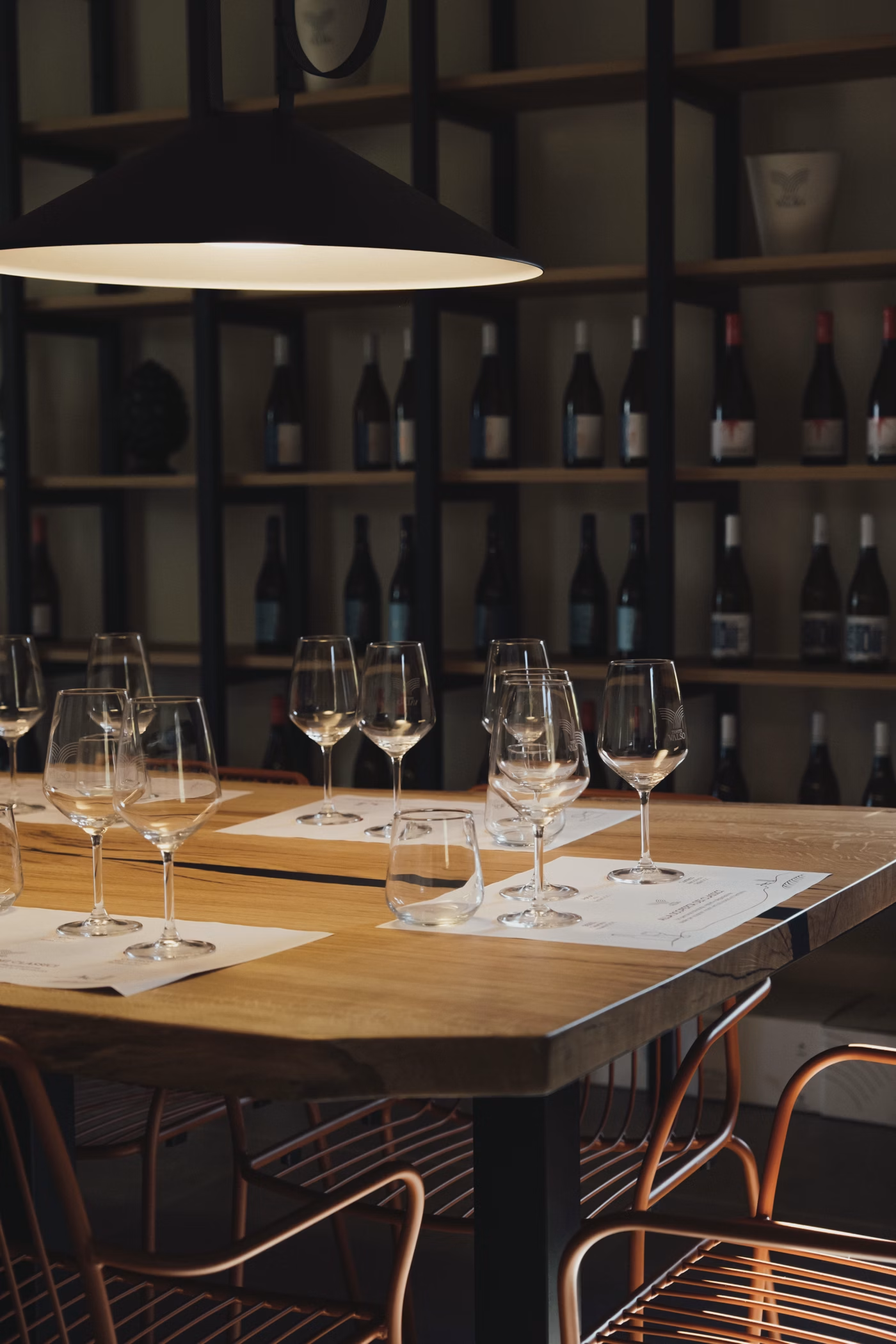
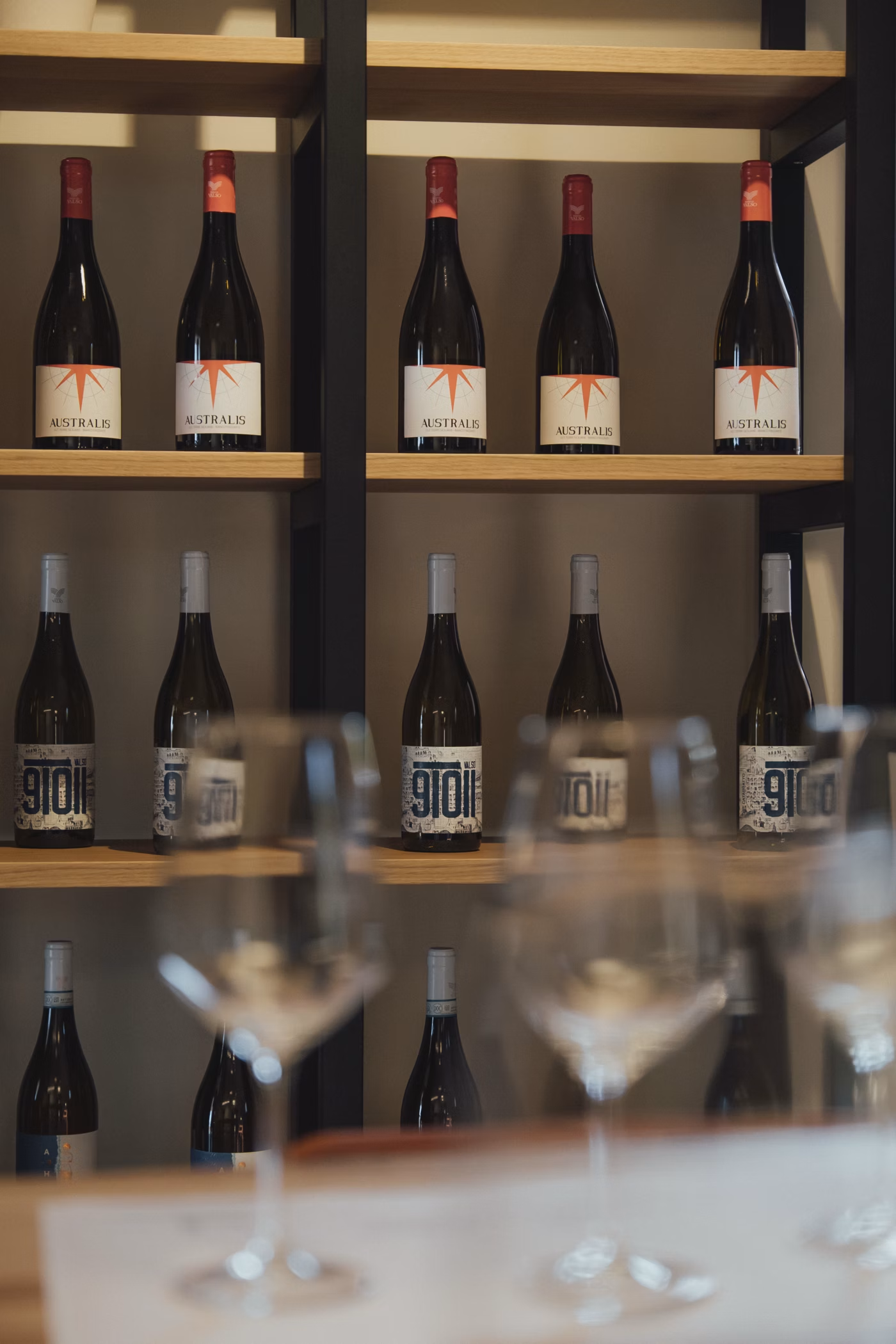
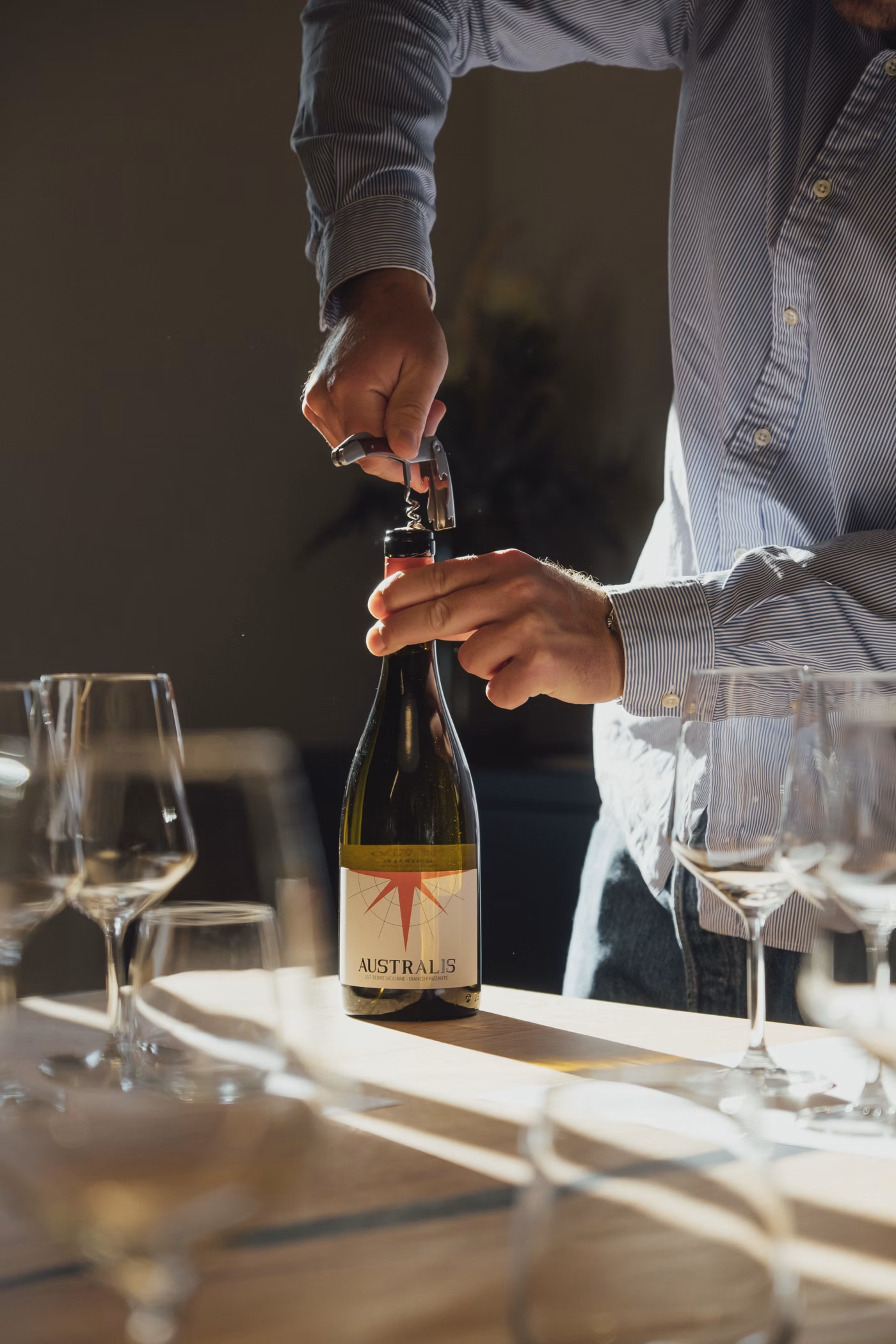
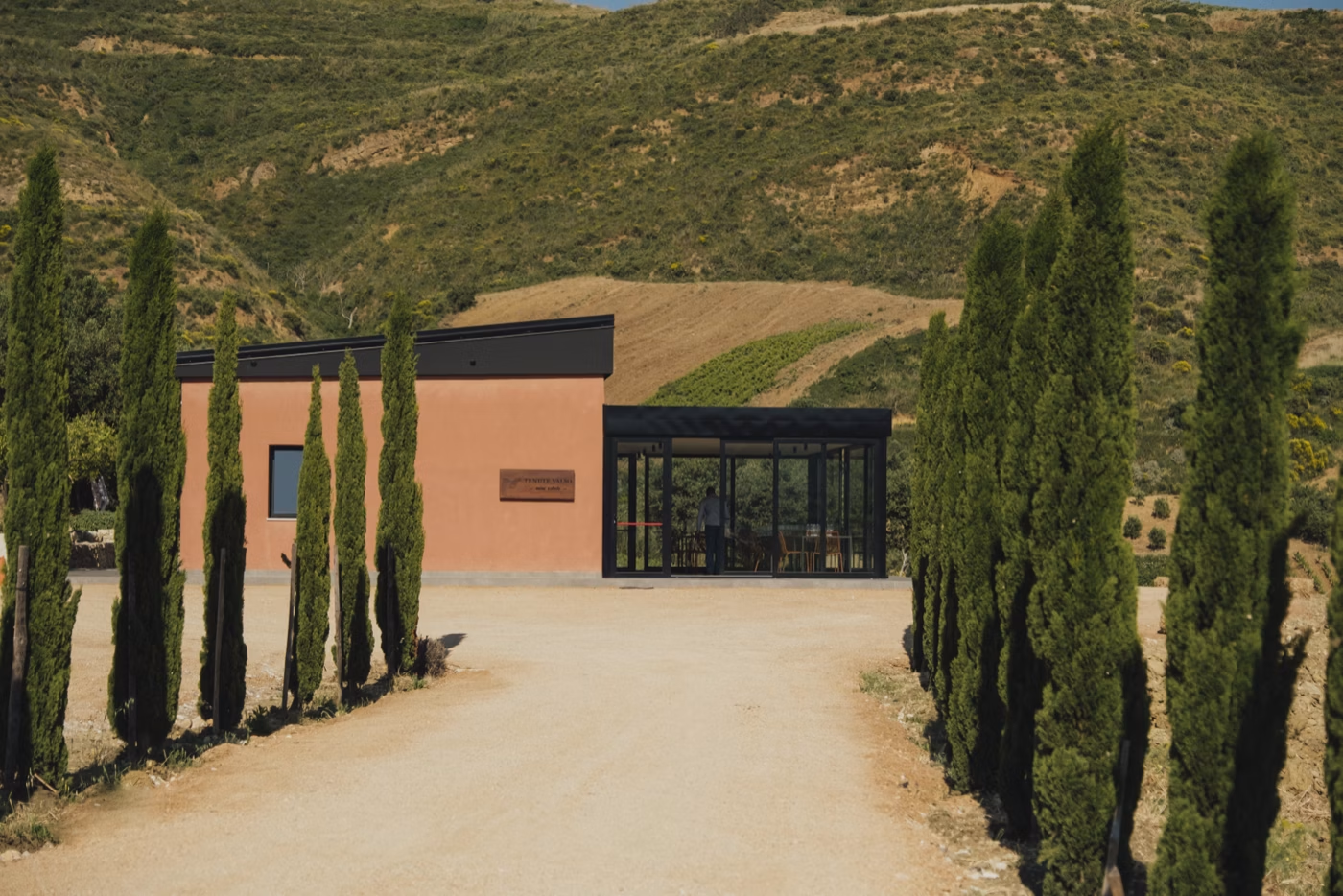
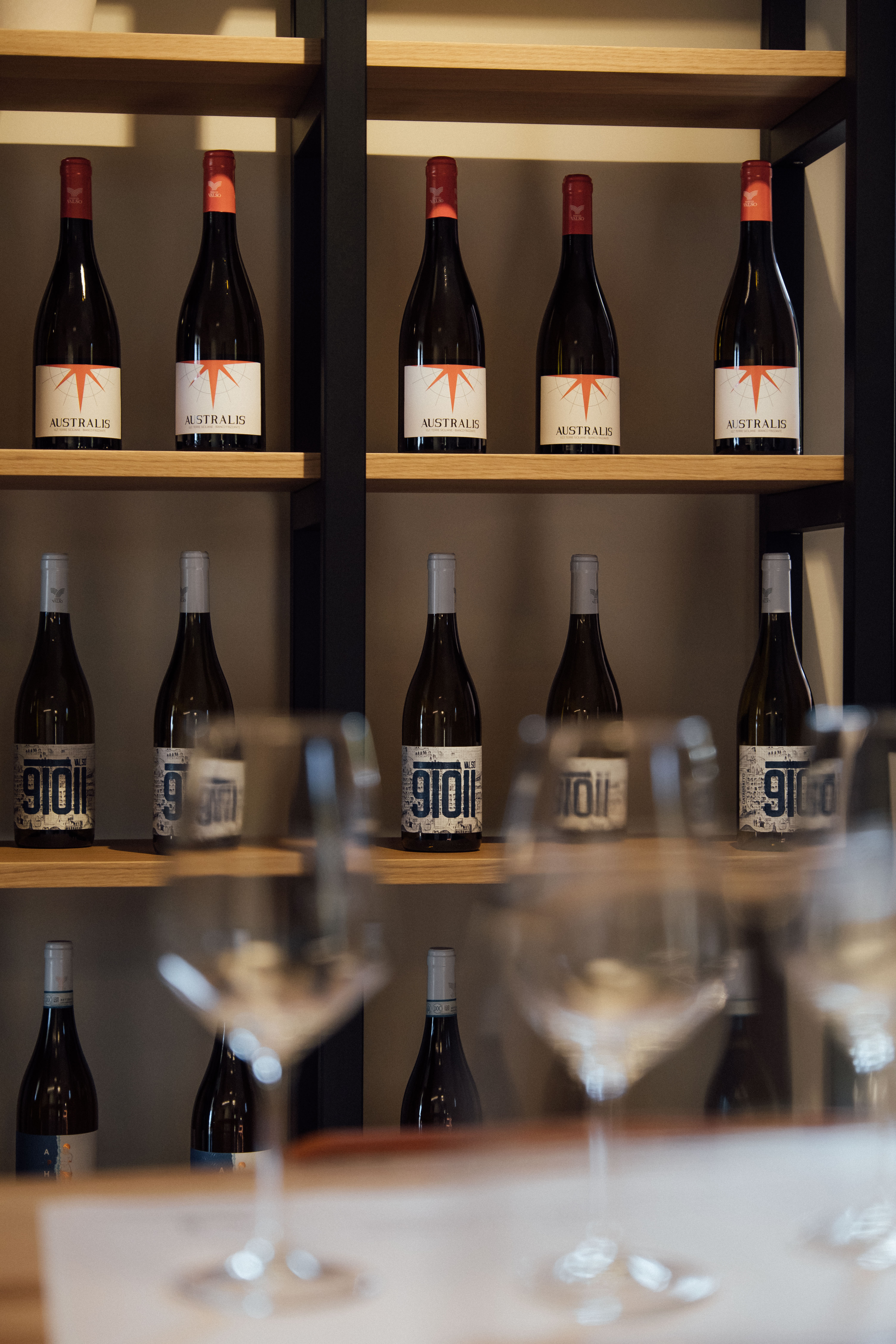
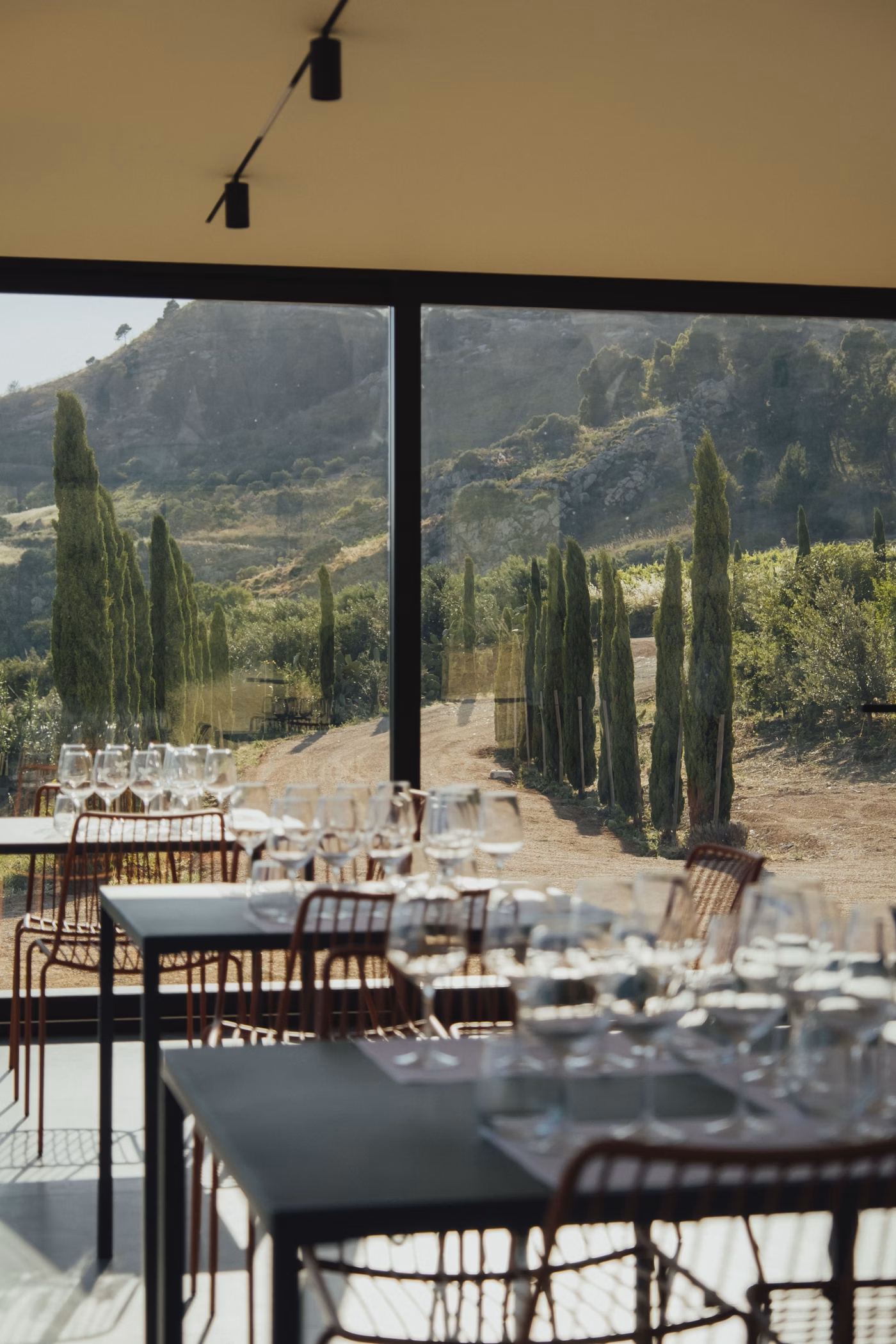
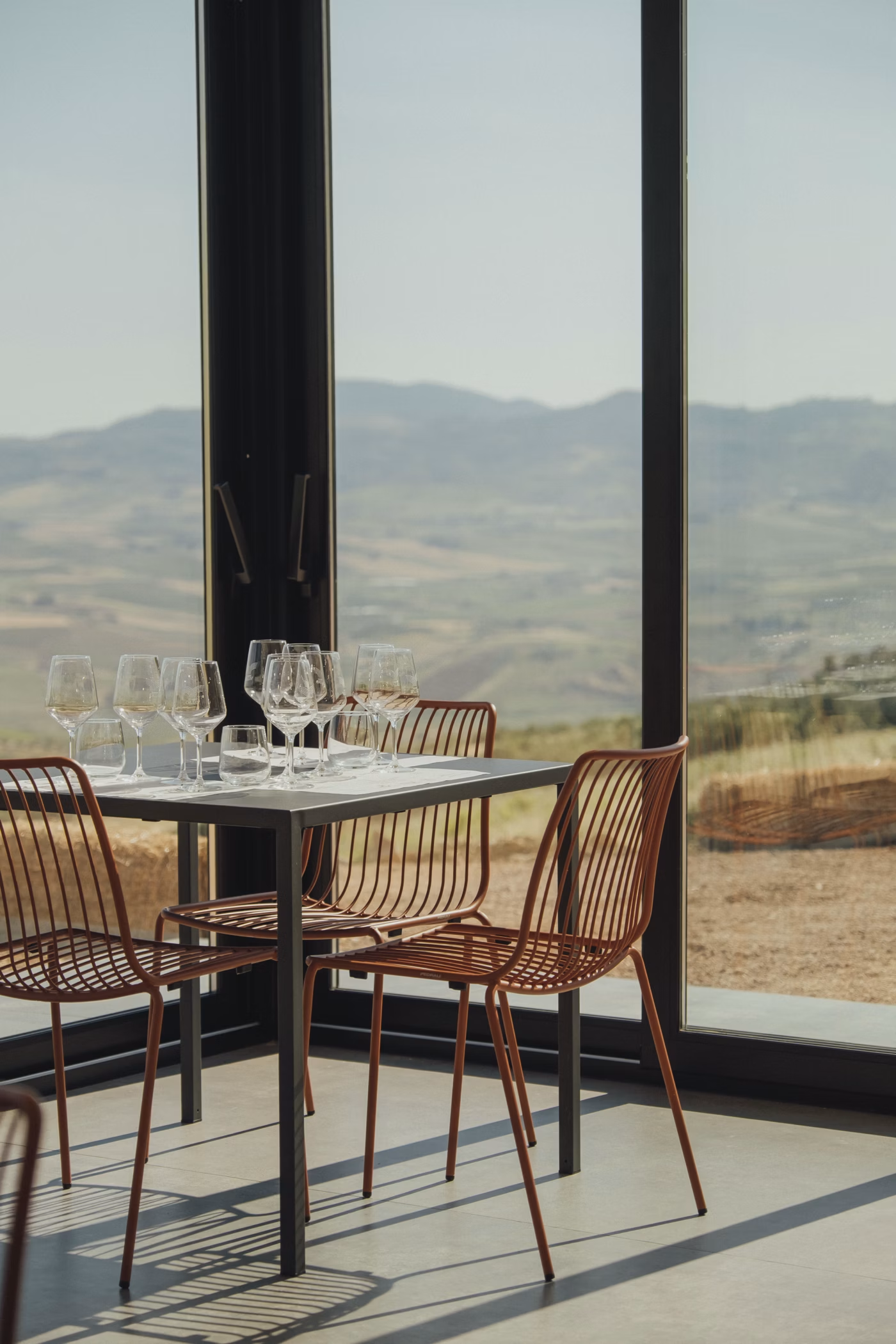
Australis is the white sparkling wine from Tenute Valso: Martinotti method, white grapes from the Valso and San Nicola districts in the hills of Alcamo. Acacia flowers, exotic fruit, and fine bubbles, designed for celebrating without compromising on quality—or simply for turning any ordinary sunset into a small event. You can find it on the Australis dedicated page, and in your glass during our winery tastings, where it almost always kicks things off.
Frequently asked questions about Sicilian sparkling white wine
What is the difference between frizzante and spumante?Pressure: frizzante has a pressure between 1 and 2.5 bar, while spumante is 3 bar or higher. Spumante has a more intense perlage and a mushroom-shaped cork with a wire cage; frizzante has more delicate bubbles and a standard cork.
Which grapes are used for sparkling wines in Sicily?Mainly Grillo and Catarratto in western Sicily for fresh, citrusy sparkling wines, and Zibibbo for aromatic versions. On Mount Etna, Carricante and Nerello Mascalese are used for traditional method production.
At what temperature should sparkling wine be served?Between 6 and 8 degrees Celsius, up to 10 for softer, more aromatic versions. A tulip-shaped glass is better than a narrow flute: it enhances the aromas and the delicate perlage.
Is Sicilian frizzante dry or sweet?In the vast majority of cases, it is dry or slightly off-dry, designed for aperitifs and seafood. There are semi-sweet versions, especially from aromatic grapes like Zibibbo, but they are in the minority.
Bubbles with an accent
Sicilian sparkling white wine doesn't imitate anyone: it takes the path of bubbles and travels it with the island's grapes, aromas, and cuisine. The result is a bubble with an accent — and in Alcamo, if you want to hear it for yourself, the glass is already chilled.