Wineries in Alcamo: a journey into the capital of Sicilian white wine
There are towns that have a winery, and towns that are a winery. Alcamo belongs to the latter: among the most vine-covered municipalities in Italy, surrounded by a sea of vineyards rising from the beaches of the Gulf of Castellammare toward the inland hills, it has been the recognized capital of Sicilian white wine for half a century. It is no coincidence that its DOC, established in 1972, was among the very first on the island.
Looking for wineries in Alcamo, therefore, does not mean looking for an address: it means entering a territory where wine is the landscape, the economy, and everyone's memory. We at Tenute Valso are one of these wineries, and in this guide, we tell you about our territory just as we would to a guest sitting in our tasting room.
Alcamo, a city of wine for a thousand years
Vines were in Alcamo before Alcamo itself: the Elymians of Segesta were already cultivating these hills, and the city founded in the Arab era grew amidst countryside where grapes have never been lacking. But it was in the twentieth century that wine became an identity: for decades, Alcamo was one of the largest reservoirs of white wine in Europe, with historic cooperatives processing the grapes of thousands of small growers.
1972 marked the turning point for quality: the Alcamo DOC was born, built around Catarratto, to protect a white wine that until then had traveled anonymously in tankers to northern Italy and France. From then on, the story has been one of a slow and stubborn conversion: less quantity, more bottling, and a new generation of producers—raised among these vines—determined to put the name of Alcamo on labels rather than on shipping documents.
The territory: hills, wind, and two grape varieties
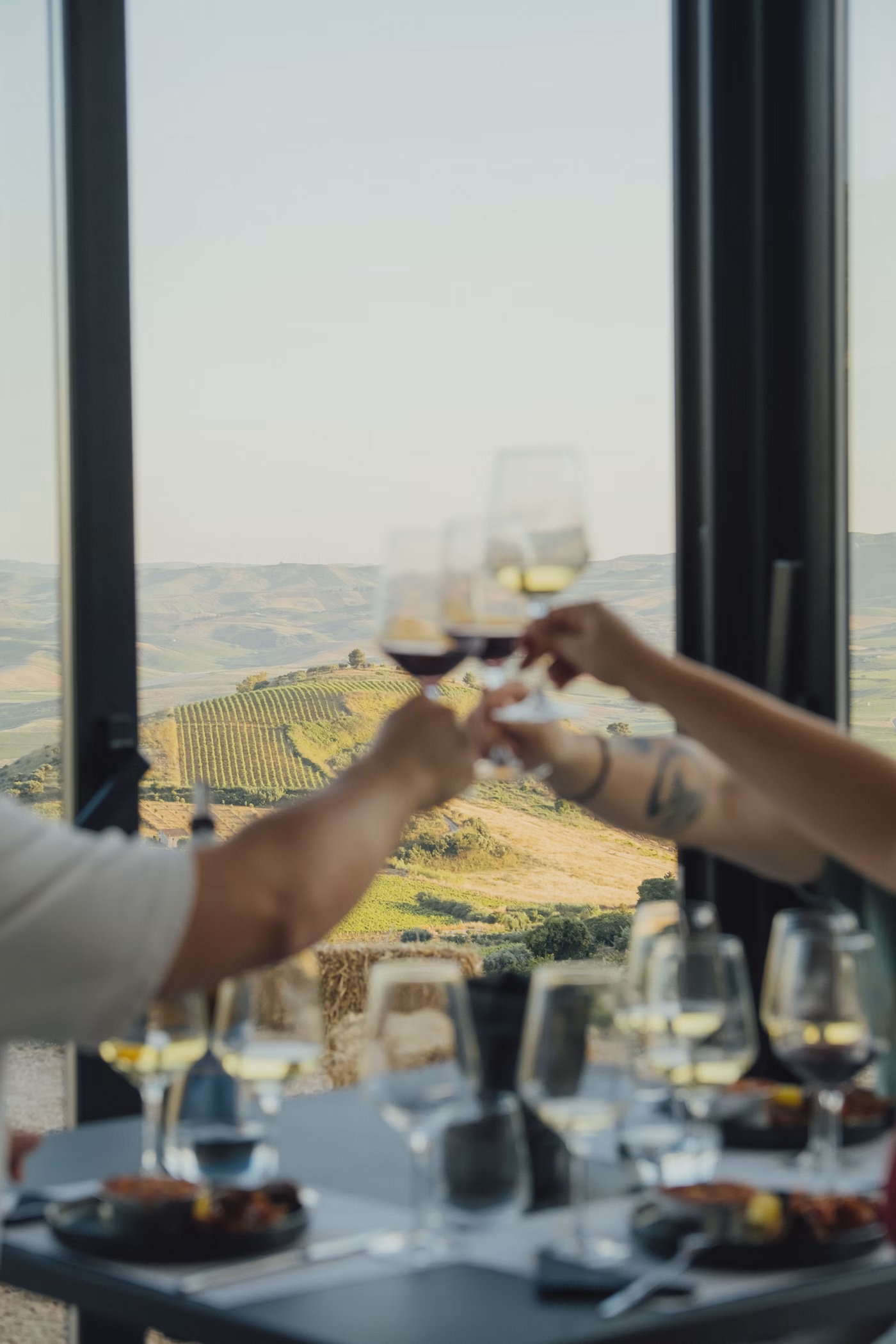
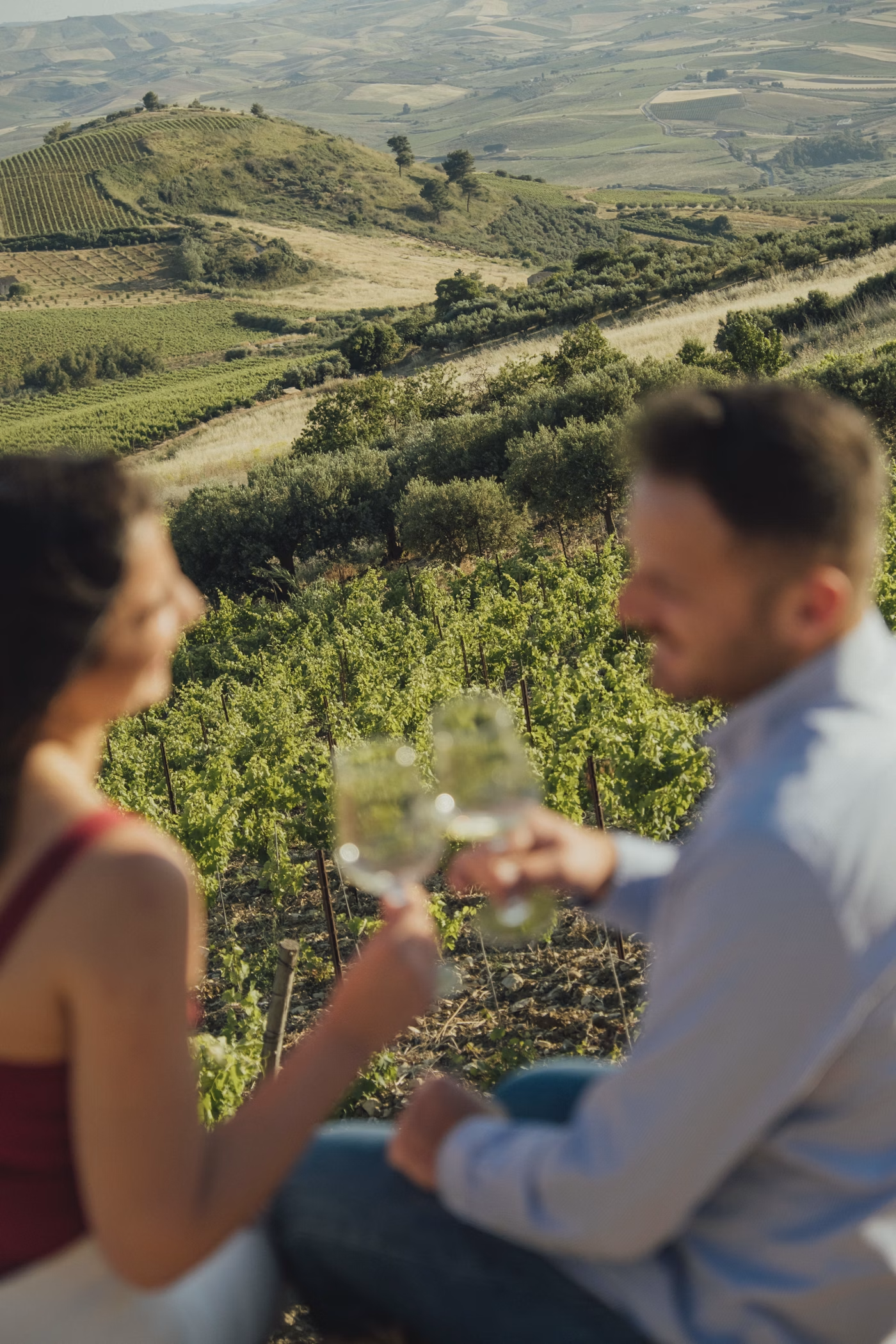
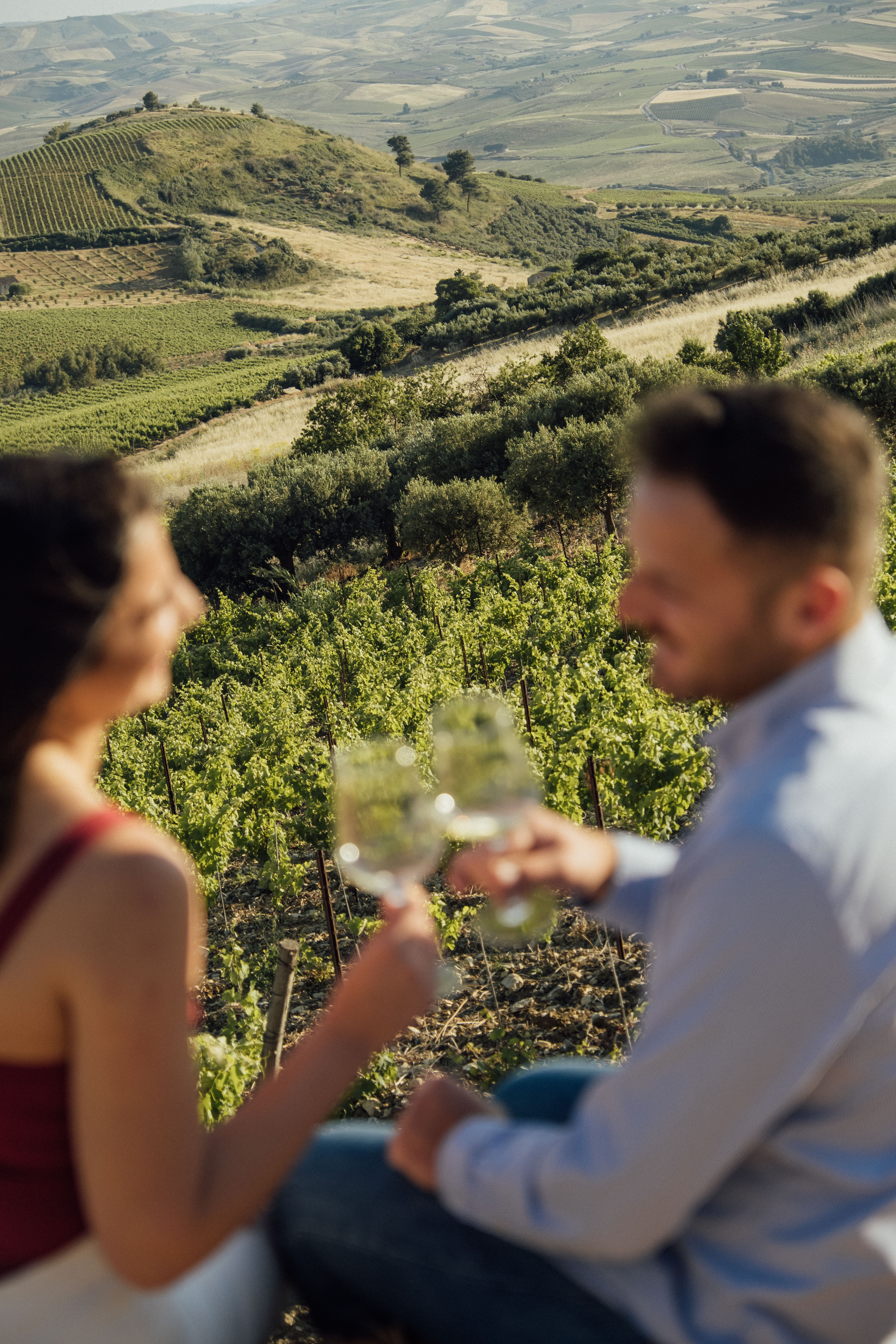
The secret of Alcamo's wineries lies in the geography. The vineyards grow between 200 and 400 meters above sea level, on limestone and clay hills open toward the Gulf of Castellammare: the sea in front, constant breezes, and temperature fluctuations that preserve acidity and aromas. These are the ideal conditions for white wines, and the two protagonists are always the same: Catarratto, the prince of grape varieties and the historic soul of the DOC, savory and citrusy, and Grillo, the crossbreed created in the nineteenth century specifically for these lands, now the most sought-after Sicilian white. Surrounding them are the luxury supporting actors: Inzolia, Grecanico, and for the reds, Nero d'Avola and Perricone.
What kind of wineries you will find in Alcamo
The fabric of Alcamo's wineries has two souls, and knowing them helps you choose the right visit.
The historic cooperatives are the cathedrals of Alcamo wine: imposing structures that still vinify the grapes of hundreds of members today. For the visitor, they are a piece of the social history of Sicilian wine, and for the locals, they remain the reference point for a purely Alcamese tradition: the company store where you buy bulk wine, demijohn in hand, just as has been done for generations.
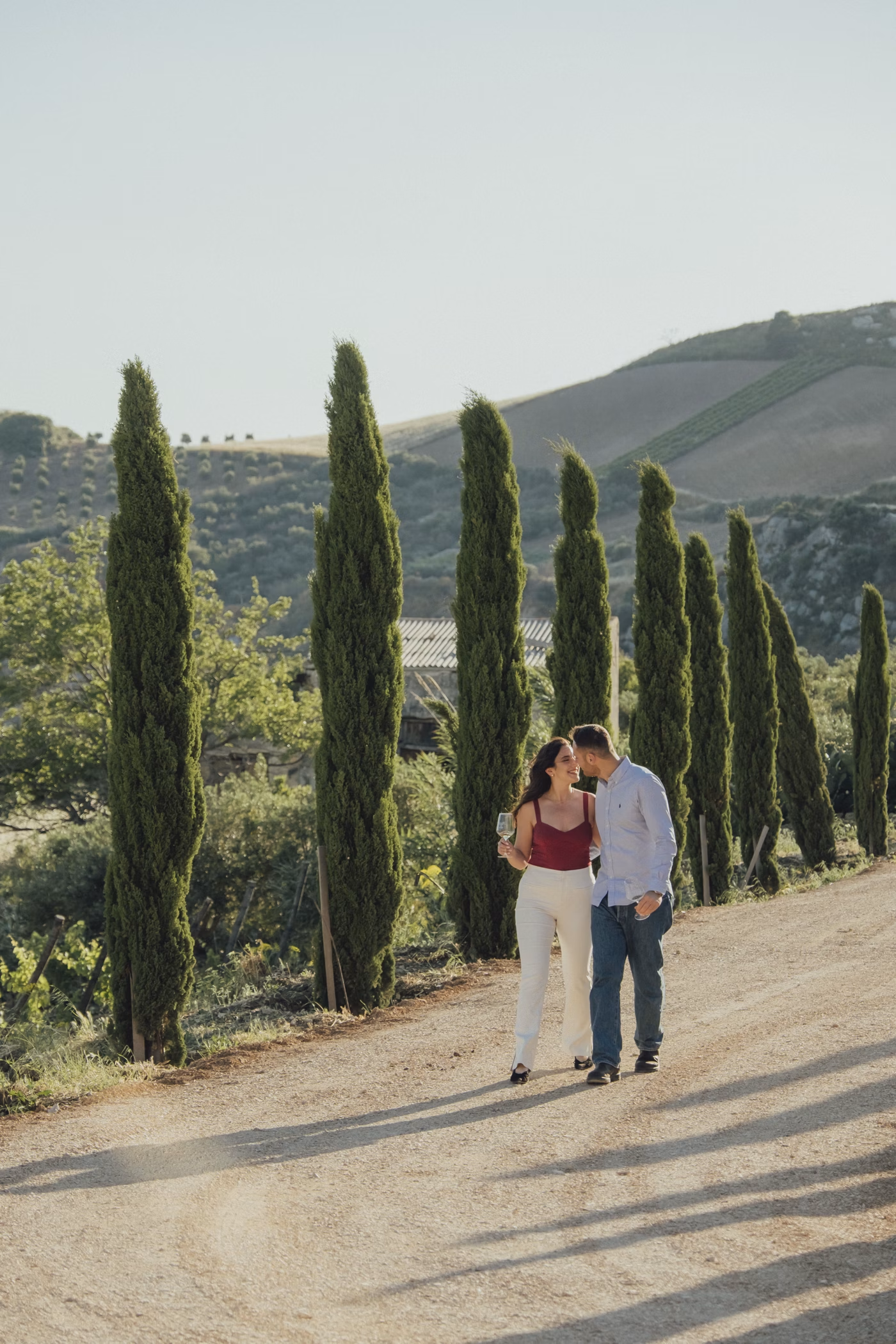
The family-run wineries are the new face of the region: fully integrated operations, from vineyard to bottle, where tastings are led by the very people who craft the wine. Small groups, personal stories, and the chance to walk through the rows of vines before sitting down at the table. This is the formula that has put Alcamo on the map for Sicilian wine tourism — and it is the family we belong to.
Visiting Alcamo's wineries: how it works
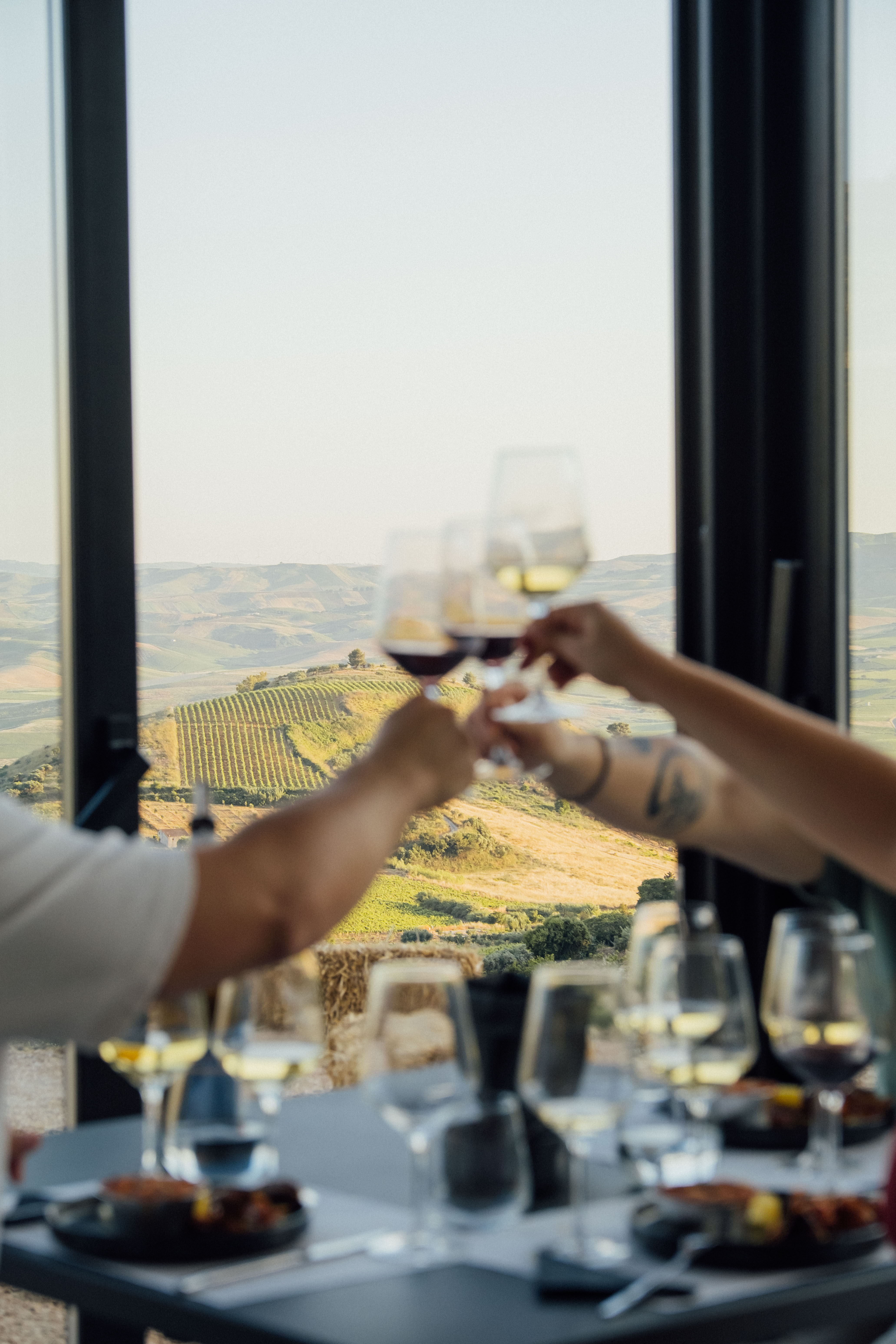
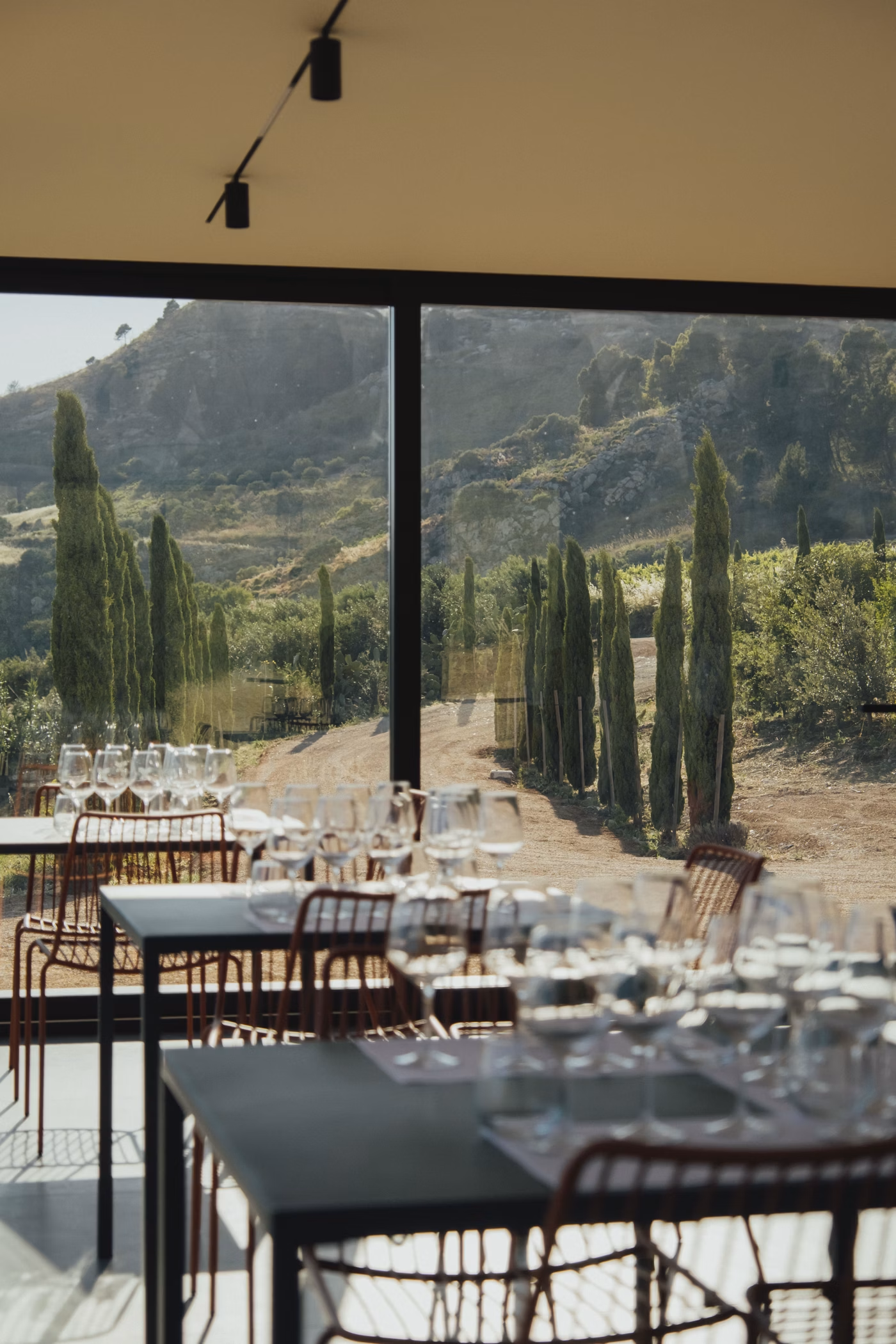
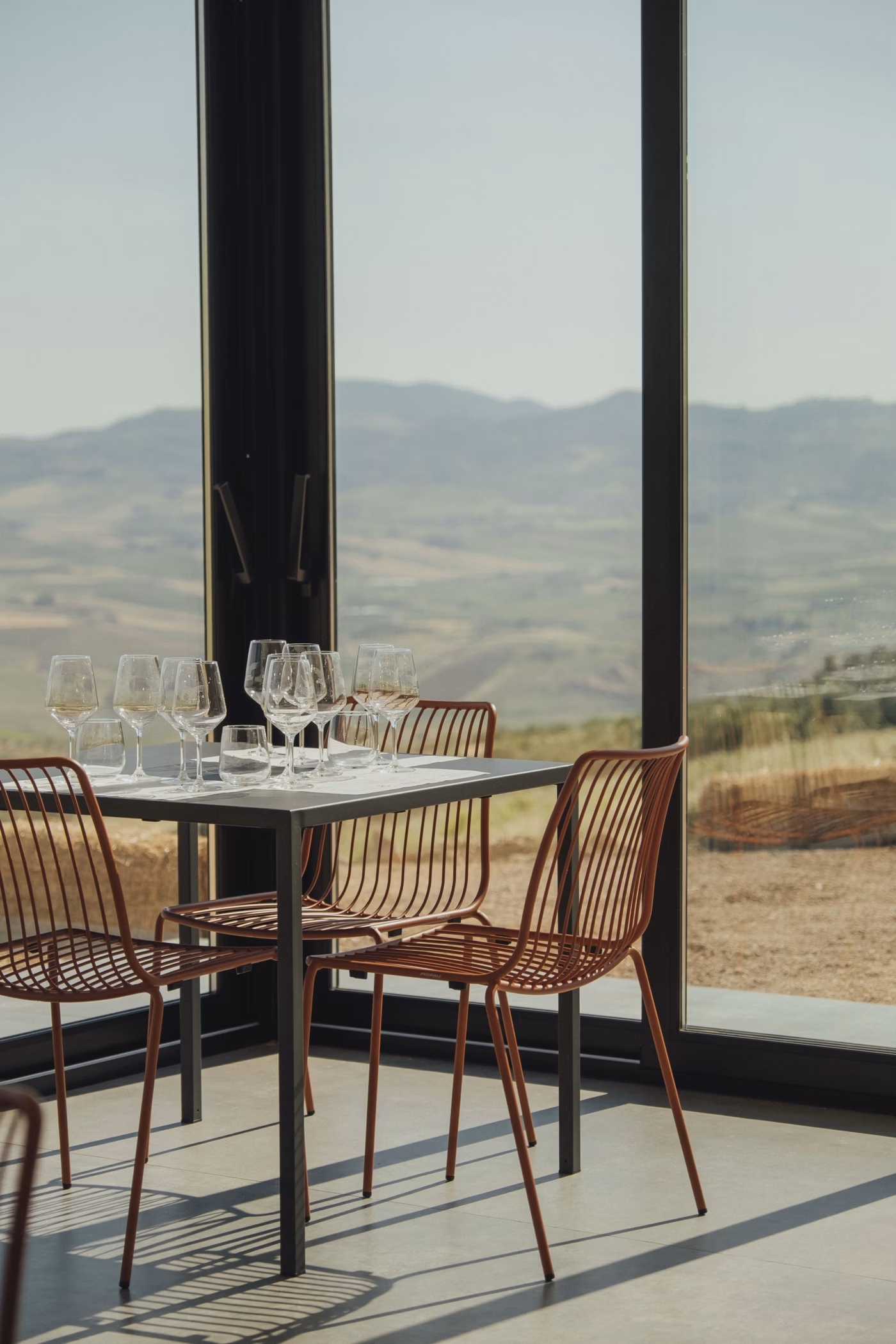
Visits work just like they do in the rest of Sicily: by appointment, booked a few days in advance, for an experience that typically lasts 90–120 minutes, including the vineyards, the cellar, and a guided tasting of 3–6 wines paired with local products. Prices for standard tastings range from 15 to 30 euros per person; you can find formats and details in our guide on how a tasting works.
The real advantage of Alcamo, however, is its location: you are ten minutes from the temple of Segesta, fifteen minutes from Castellammare del Golfo, half an hour from Scopello and the Zingaro Nature Reserve, and 45 minutes from Palermo. Those staying on the coast can plan the perfect half-day — morning at the temple or the beach, afternoon at the winery — without ever really needing the highway. This is why, in wine tour itineraries of Western Sicily, Alcamo is almost always the first stop.
Our winery: Tenute Valso
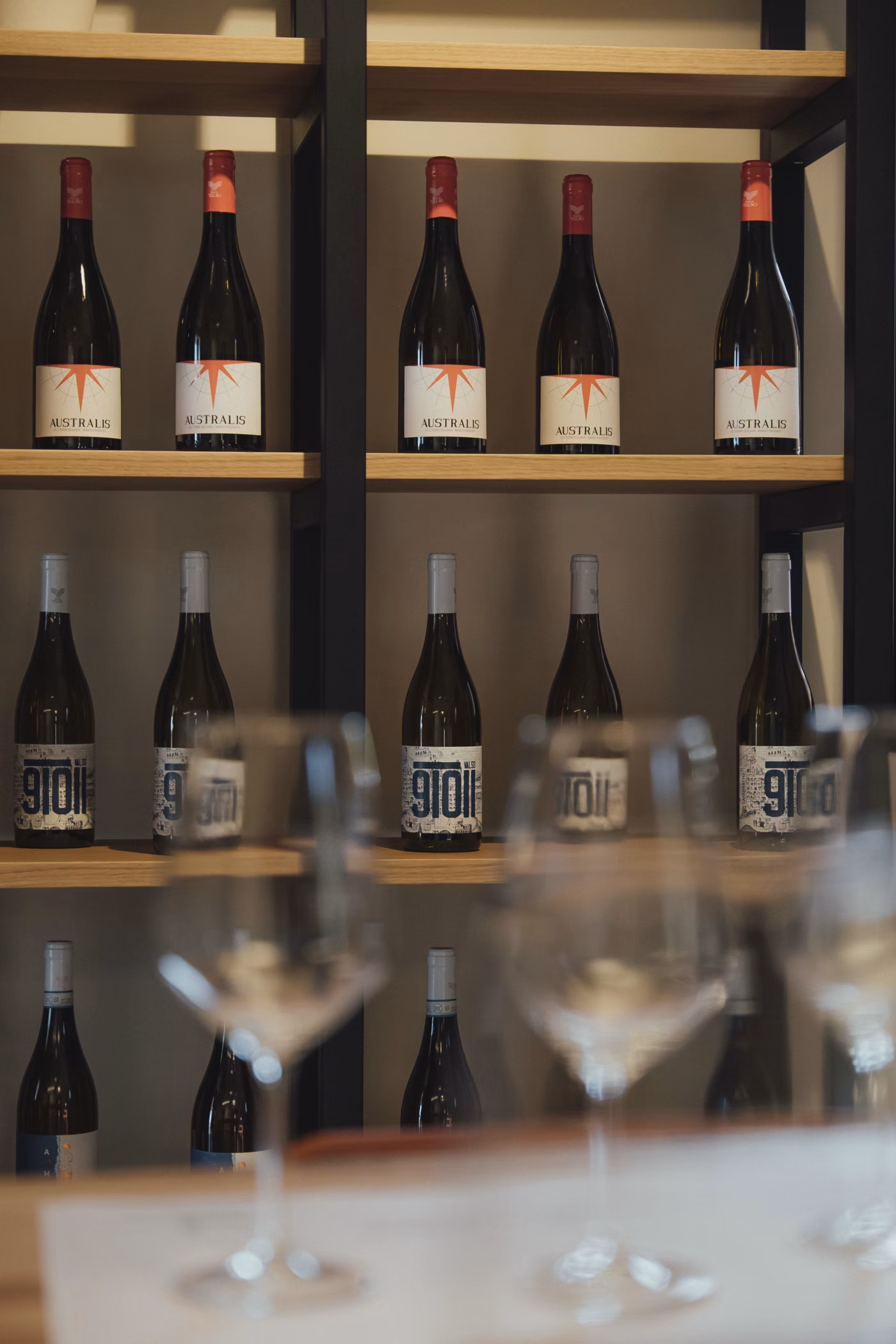
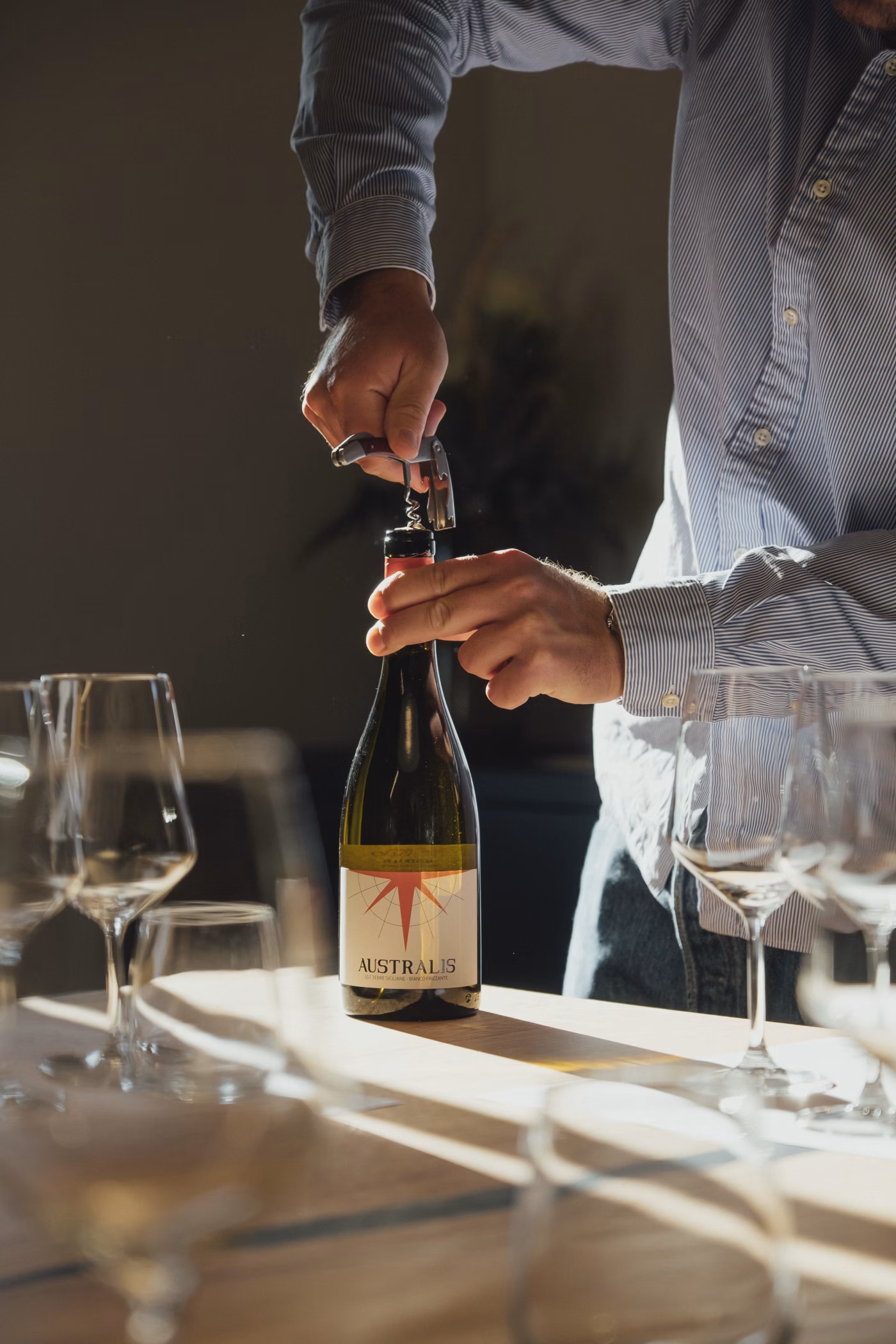
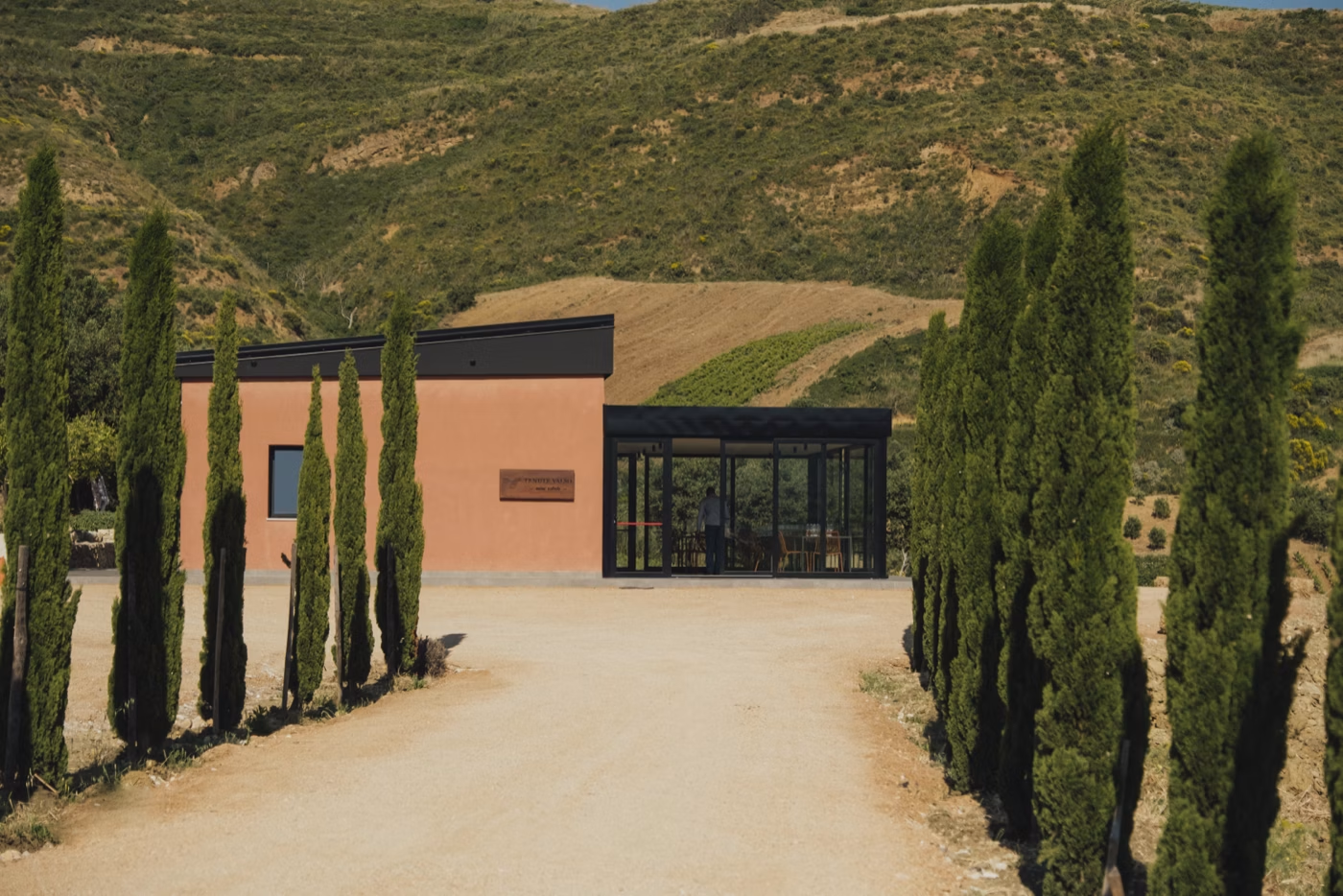
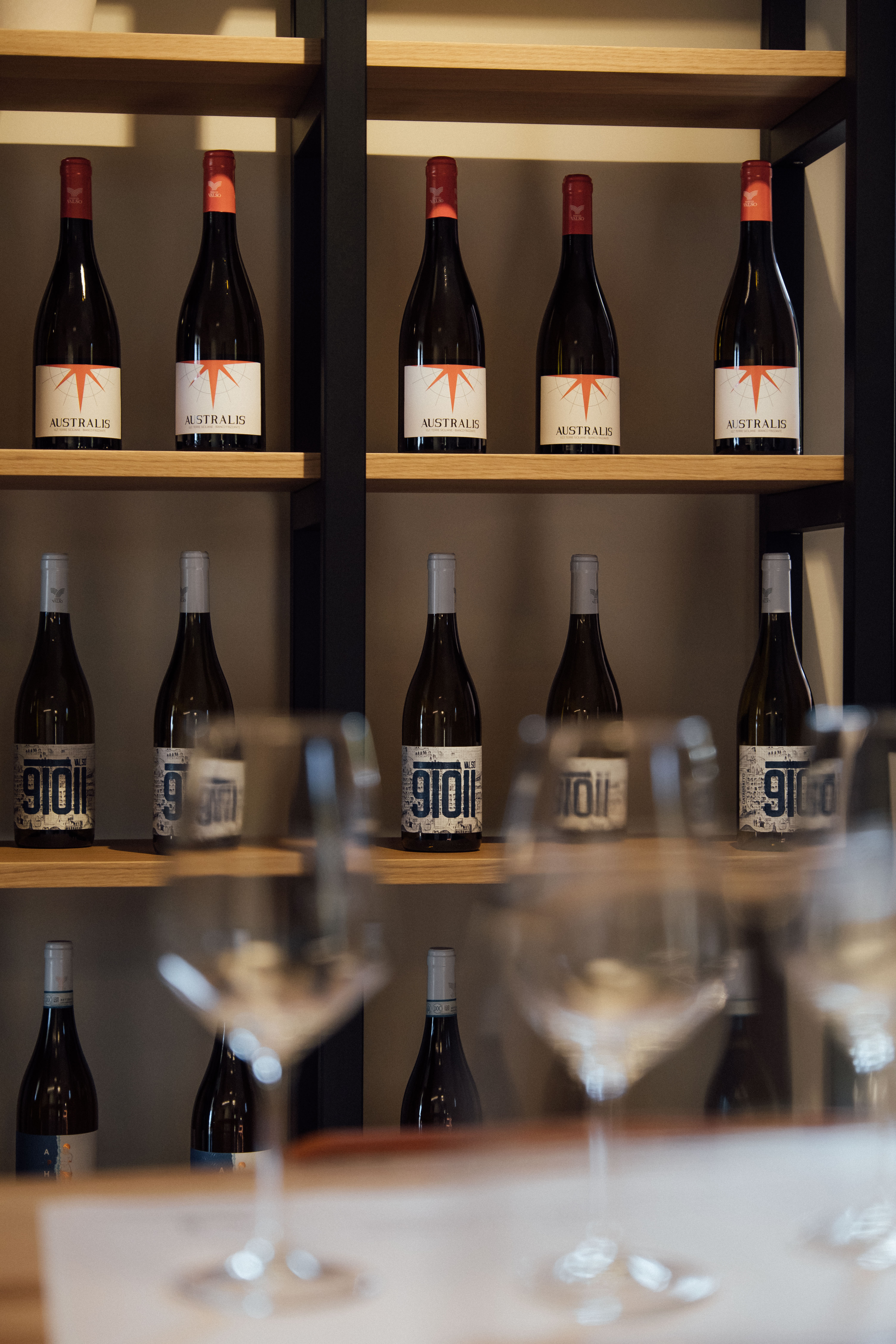
Tenute Valso is a family-run winery in the hills of Alcamo: our vineyards grow in the Valso and San Nicola districts, on the slopes overlooking the valley, and our production tells the full story of the land — Aphor, our Grillo Sicilia DOC, 91011, the pure Catarratto dedicated to the city's history, Australis, our sparkling wine, and Conteco, our signature Nero d'Avola.
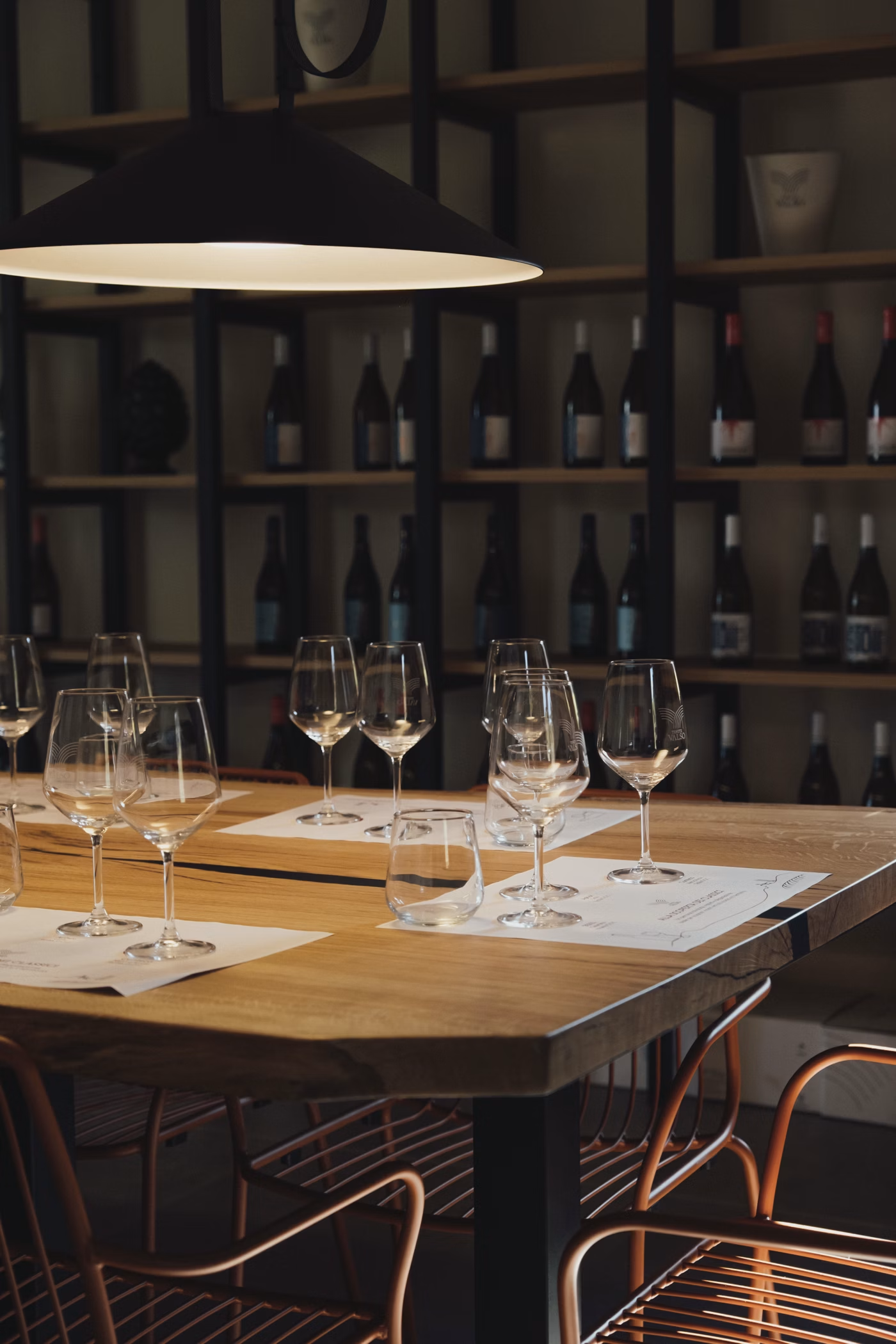
We welcome guests by appointment, in both Italian and English, with a variety of options: discovering our classics, a vertical tasting dedicated to Alcamo DOC and local white wines, or a tour with the winemaker for those who want to dive into the technical side. Available experiences and dates can be found on the page for winery tours; you can find the history of our districts and vineyards on the estates page.
What to pair with your visit: Alcamo and its surroundings
The historic center of Alcamo is worth an hour's stroll, between the Castle of the Counts of Modica and the Basilica of Santa Maria Assunta, with a granita in Piazza Ciullo. Ten minutes away is Segesta, home to the most intact Doric temple in the Mediterranean and a theater atop Mount Barbaro. Then there's the sea: Alcamo Marina and its long beach, Castellammare del Golfo with its harbor and castle on the water, and further on, Scopello with its sea stacks and the trails of the Zingaro Nature Reserve. A region where the glass is just the beginning.
Frequently asked questions about Alcamo wineries
How many wineries are there in Alcamo?Dozens, ranging from large historic cooperatives to family-run estates, serving one of the most vine-covered regions in Italy. Those open for tours and tastings are primarily the family-run businesses, which welcome visitors by appointment.
What is the typical wine of Alcamo?White wine: the Catarratto-based Alcamo DOC, one of the first Sicilian denominations (1972), now joined by Grillo Sicilia DOC. Red wines from Nero d'Avola and Perricone, as well as sparkling wines, are also produced.
Can you visit the wineries in Alcamo?Yes, by appointment: almost all family-run estates organize tours with tastings, typically lasting 90–120 minutes, often available in English as well. It is best to book a few days in advance, or one to two weeks during peak season.
Where can you buy wine directly in Alcamo?At the winery after your tasting, or at the cooperative retail shops, where the local tradition of buying bulk wine in demijohns still thrives. Buying directly from the producer ensures the best conditions and freshness.
The quiet capital
Alcamo has never needed to shout: while other areas were grabbing headlines, here we simply kept making wine, just as we have for a thousand years. Today, as Sicilian white wine has returned to the spotlight, its capital is exactly where it has always been—between the Gulf and the hills. Come and visit: we always keep our door open.